
Considering hiring or buying a pressure washer?
It’s a good idea to know exactly what to look for & how to use the machine to its fullest potential.
Here's all you need to know about pressure washers.
What is a pressure washer?
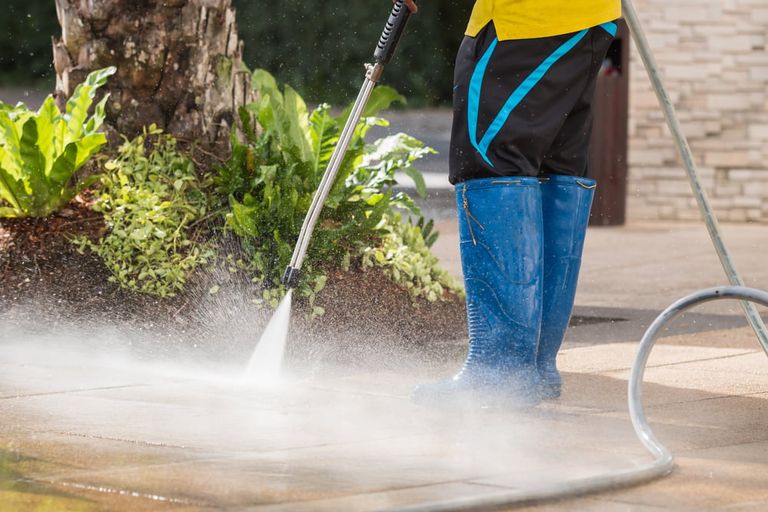
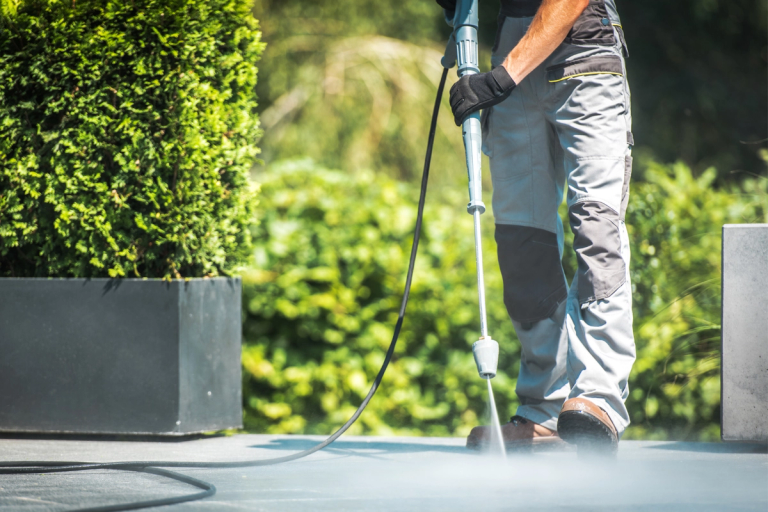
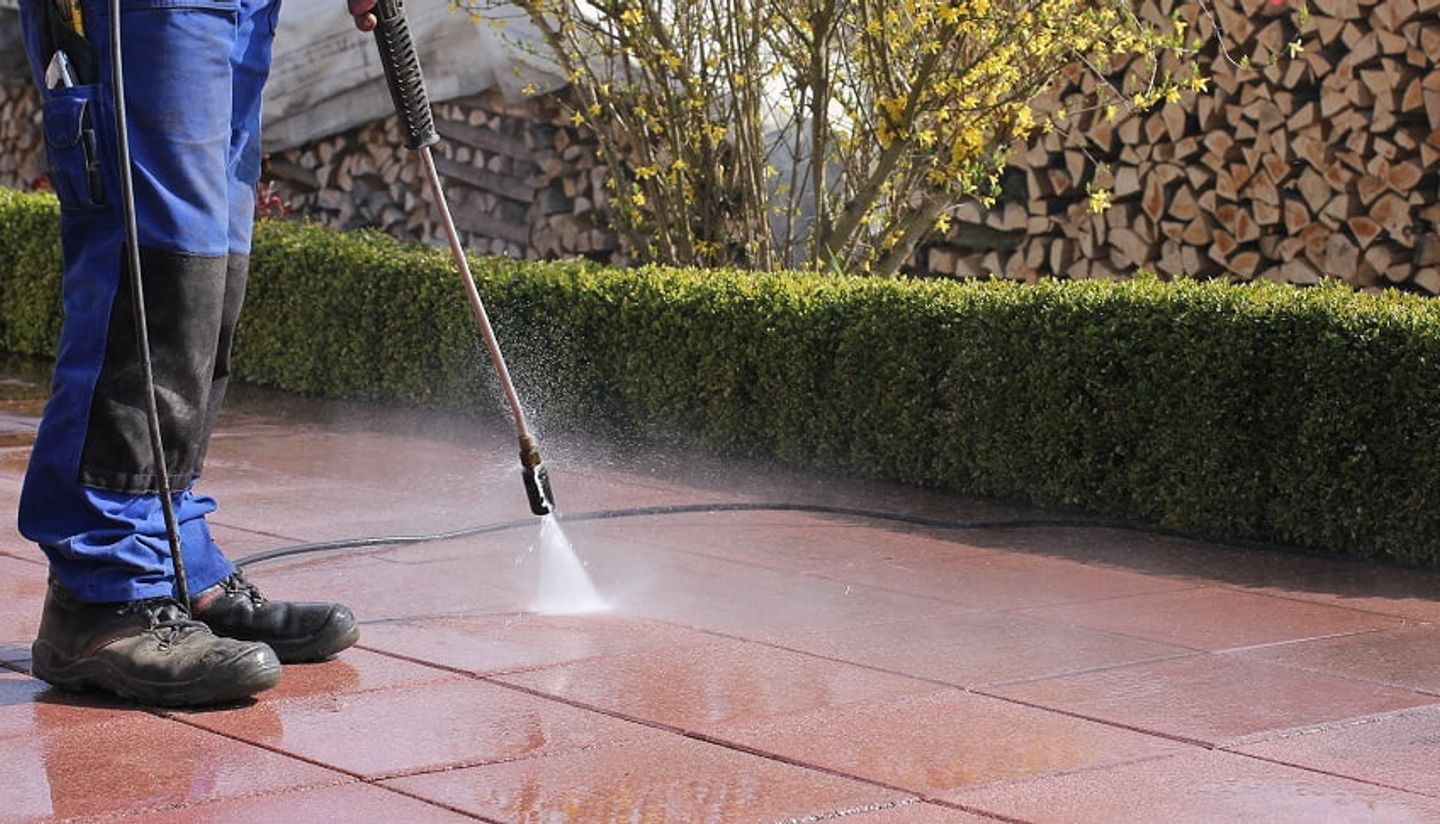
A pressure washer is a type of cleaning equipment that cleans anything from a concrete patio to a car, by using a high pressure stream of water.
How pressure washers work
Most pressure washers connect to an existing water supply, like your kitchen tap.
Some models do have tanks for storing water so won't need to be hooked up to your taps.
The washer pressurises the water using an engine and then releases it at high speeds so the force of the water cleans and washes debris away.
The pressure washer has a button near the nozzle that allows you to stop and start the water stream and many models allow you to adjust the water pressure.
What can pressure washers clean?
The washer's water high pressure makes it easy to clean most stubborn dirt and grime.
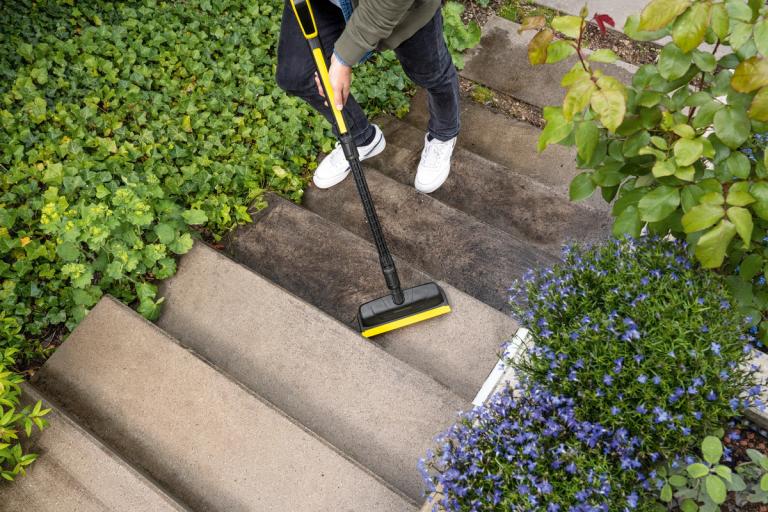
They are designed to wash away dirt, dust, mud, mould, paint, clay and other debris from different surfaces such as:
decking
garden paths
brick work
patios
cars
building exteriors
Each pressure washer has different levels of pressure, so some are more suitable to certain tasks.
For example, you could use a very low pressure model to wash your car, and a higher pressure washer to clean your driveway.
Which pressure washer is right for me?
There are so pressure washers available and choosing the right one is important.
Accidentally hiring or buying the wrong washer can make your job harder if the pressure isn't strong enough.
They will also cause damage to the surface if the pressure is too much so it's always good to double check
Electric or Gas
You can hire or buy both electric and gas powered pressure washers.
The main difference to keep in mind is that an electric model will require you to have a power supply nearby while you work.
If that's not possible, a gas powered washer may be more mobile.
Electric washers are also generally more suitable for smaller jobs where you don’t need to achieve extremely high levels of pressure.
They are ideal for washing windows, cars and other surfaces that may be more prone to damage.
Gas powered washers often emit a much more pressurised stream of water.
They work well when you need to remove a lot of dirt or to remove something especially stubborn, like old paint.
Mini Pressure Washers
Mini pressure washers are smaller than standard washers, so they're best to choose for jobs that don't have a large area to cover.
They're designed to clean machinery, patios, cars, walls & garden furniture & use less water and energy than bigger models.
High pressure washers
High pressure washers are more heavy duty than mini pressure washers.
They're a top fit for removing a large amount of dirt, grime and oil from a number of surfaces.
High pressure washers can be powered by battery, electricity or gasoline, so you can choose one that suits your needs.
Hot water pressure washer
As the name suggests, hot water washer models heats the water before they pressurise and spray.
The high water temperature works wonders on tough stains like grease or very heavy dirt or grime, as the heat helps soften & remove those stubborn substances.
Not only are mini pressure washers cost effective, they easy to use, move around & store away too.
Pressure washer features
There are many features that come with pressure washers.
Some may be more important to you than others so it might be worth knowing a few features so you know what you're looking for.
Hose length
Each pressure washer will have their own hose length.
You might not think this is a big deal but you'll need to make sure the hose is long enough to reach.
If you're cleaning something you can move, like garden furniture or garden hand tools, a shorter length hose will suffice.
If you're cleaning a larger area, you car or your home's exterior, a short hose won't do. You'll definitely need a longer one.
Start/stop function
Some pressure washer models have a standard on/off switch but some have a start/stop function that's connected to the trigger.
The start/stop function makes life easier so you don't have to keep walking to and from the pressure washer to turn it on and off.
A simple push the trigger starts spraying the water and to stop, you just take your finger off.
Wheels and handles
If you're having to wash and clean a large area, the last you want to do is have a pressure washer that needs to be lugged around.
Having a washer with handles and wheels means you can easily pull or carry the washer around so you can get your job done efficiently.
Lances
Lances are a perfect additional feature for a pressure washer.
They attach to the washer's trigger and help you gain extra reach so you don't have to bend or be close to whatever you're cleaning.
Lances can also give you access into those hard to reach areas too.
How do I use a pressure washer?
Using a pressure washer is easier than you think.
By following our simple instructions, you'll have your decking, patios & more clean in no time.
Here's how to use a Karcher pressure washer.
Step 1
Before you get started, make sure the pressure washer is on flat, level ground.
Next screw the water hole to the inlet until it's tight & connect the other side of the pipe to a water supply, like you're kitchen or outdoor tap.
Step 2
Once the water pipe is fastened, the pressure washer needs to be connected to a power source. We'd recommend using a heavy duty RCD breaker.
Turn the unit on by turning the yellow switch.
Step 3
Now you can get started.
To get the water going, unlock the lance's triggers using the button on the handle.
Pont the lance to the floor & squeeze the trigger until the water comes out.
The Karcher pressure washer has a slide nozzle that allows you to adjust the water pressure. Slide the nozzle forward to increase the pressure to back to decrease it.
Depending on the job at hand, you might need to adjust the spray pattern - clockwise for fan & anticlockwise for pinpoint.
All that's left to do is point, aim & get washing.
Want to see how the Karcher pressure washer works?
For those who'd rather see the Karcher washer pressure in action, watch our easy to follow instructional video.
Hire a pressure washer from HSS DIY today
Now that you've soaked in all that information, we hope you're more confident with understanding pressure washers & how they work.
Knowing what type of model you need, their benefits & additional features will help you get the most out of your chosen pressure washer.
Whether you want to clean your decking, patio, car, house exterior or even garden furniture, there's a washer for you that'll tackle most stubborn stains.
Check out all the pressure washers we have available to hire.
FAQs
What personal protective equipment (PPE) do I need to wear when using a pressure washer?
When using a pressure washer, we'd recommend you wear:
- Safety glasses or goggles
- Earplugs or ear defenders
- Safety boots
- Gloves (PVC, cotton, or rigger)
Can I use cleaning detergent with pressure washers?
Most pressure washers allow detergent use via a dedicated tank or suction hose.
To find out if the model you've chosen has the for compatibility for soaps or degreasers, get in touch with our live chat experts who are happy to help.
Is an electric pressure washer quieter than a petrol one?
Yes, electric pressure washer models are quieter to use compared to a petrol model, making them ideal for residential use.
Meet the people behind our Tips & Advice
From quick fixes to bigger DIY projects, get to know the people behind the guides helping you get the job done with confidence.