

























Floods bring with it so much destruction.
They can ruin homes, businesses, power grids & can even pose a danger to life.
Although we can't stop them, we can definitely prepare for them.
Read on to find out how you can prepare for a flood to keep you & your loved ones safe.
Flood preparation tips
Flooding might not happen in your area but it's always good to be in the know just in case. We never know what's around the corner.
Get alerts
One of the best ways to get prepared for a potential flood is by getting alerts.
These alerts give you the heads up of upcoming floods so you can make the necessary plans to protect yourself, your loved ones and your home.
You can sign up to get flood alerts directly to your phone, no matter the time of day.
Keep an eye on the weather
Most of us have a smart phone these days and with them come some top tech features.
As well as getting alerts, you can keep track of the weather by either looking on the weather on your phone. You can even watch the weather forecast on tv if you don't have a smartphone.
Your phone's weather app gives real-time updates so you can check how the rain is progressing in your area.
Sometimes the app can give you some guidance on what to do if your home is risk of flooding.
Very handy if we do say so.
Get charged up
Once you know a flood is headed your way, charge any electrical items you might need.
Top of the list will be your phones!
You'll need your phone to have full battery so you can keep in touch with loved ones or to contact emergency services.
If you have other important electrical devices, get those charged up too!
Turn off your power!
If you've been sent an alert to your phone and your area is about to be hit with a flood, you'll need to turn off your power supply.
Not turning the electric off by the mains supply fuse box can cause short circuits and even electrocution!
Only switch off the power when it's safe to do so.
NEVER attempt to touch the mains supply fuse box when you're standing in water.
If you're unsure of where your fuse box is or how to tun it off, contact your energy supplier or a local electrician for guidance.
Put together an emergency kit
Don't let floods catch you out.
If you know your area may be in the flooding danger zone, start preparing!
Put together a bag full of everything you'll need for a couple of days (or more) in case you need to leave your home.
In a waterproof bag, you'll need:
Warm clothes
Medication
Non-perishable food
Water
Phone chargers
Money
Pet food
Toiletries
Important documents like passports/birth certificates/driving license
Make sure you double check you have everything you need & keep the bag/s in a safe place for if & when the time comes to be evacuated.
Make an evacuation plan
Just like when we're on a plane or in a new building for the first time, we need to know where the exits are in case of an emergency.
The same goes for when we're at home. It's important to know where we can get in and out from safely.
That's why you need an evacuation plan to help you prepare for a flood.
Making an evacuation plan can:
reduce a risk of life, so you and your loved ones can get to a safe spot before the flooding gets worse
help everyone understand where the safe routes & locations are and how to get there
keep everyone calm & make sure you have a safe and orderly evacuation
Without one, you'll find yourself unprepared & may put yourself in more danger.
Prepare your home
Unfortunately we can't stop our homes from being in the path of a potential flood.
We can, however, try to do some damage control & prepare our homes before the flood eventually arrives.
Sandbags
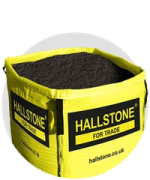
Placing sand bags, flood barriers or even plastic sheeting at your doors and windows can help reduce the amount of water that enters your home when there's a flood.
You can either make your own sandbags with sand & a range of durable sacks or buy them pre-made from your local builders merchant.
Check over your door & window frames
Whilst the weather is warm & dry, why not check over your window & door seals.
If they seem like they could do with a re-fresh, use some frame sealant.
Although it can't keep all the water out, by sealing your windows & doors, you fill in gaps & cracks that water may be able to leak through.
Don't get caught out by flooding
When it comes to mother nature, you can't stop yourself from being in her wrath but we can, however, be prepared for all she has to throw at us.
Knowing how to prepare for a flood can not only minimise damage to your home & belongings but most importantly, keep you safe from harm.
By having weather alerts on your phone, emergency kits packed & sandbags at the ready, you can have everything in place for if & when you need to be evacuated.
Meet the people behind our Tips & Advice
From quick fixes to bigger DIY projects, get to know the people behind the guides helping you get the job done with confidence.


