







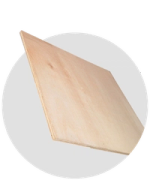












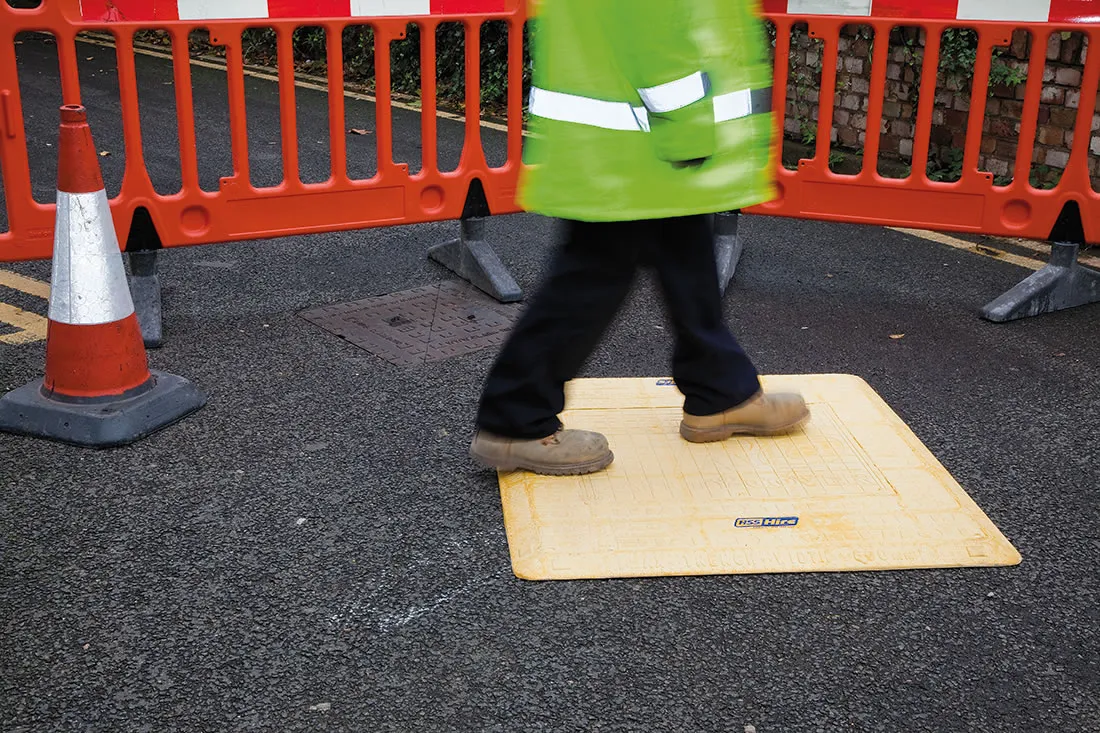
Please note: Images are for illustration purposes only. Actual product supplied may differ.
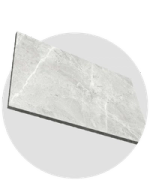
Product name: Pedestrian Road Plate
Product code: 60144
Don't forget we also offer training courses through HSS Training. View details of the courses here.
- Complies with DETR Safety at Street Works and Road Works Code of Practice
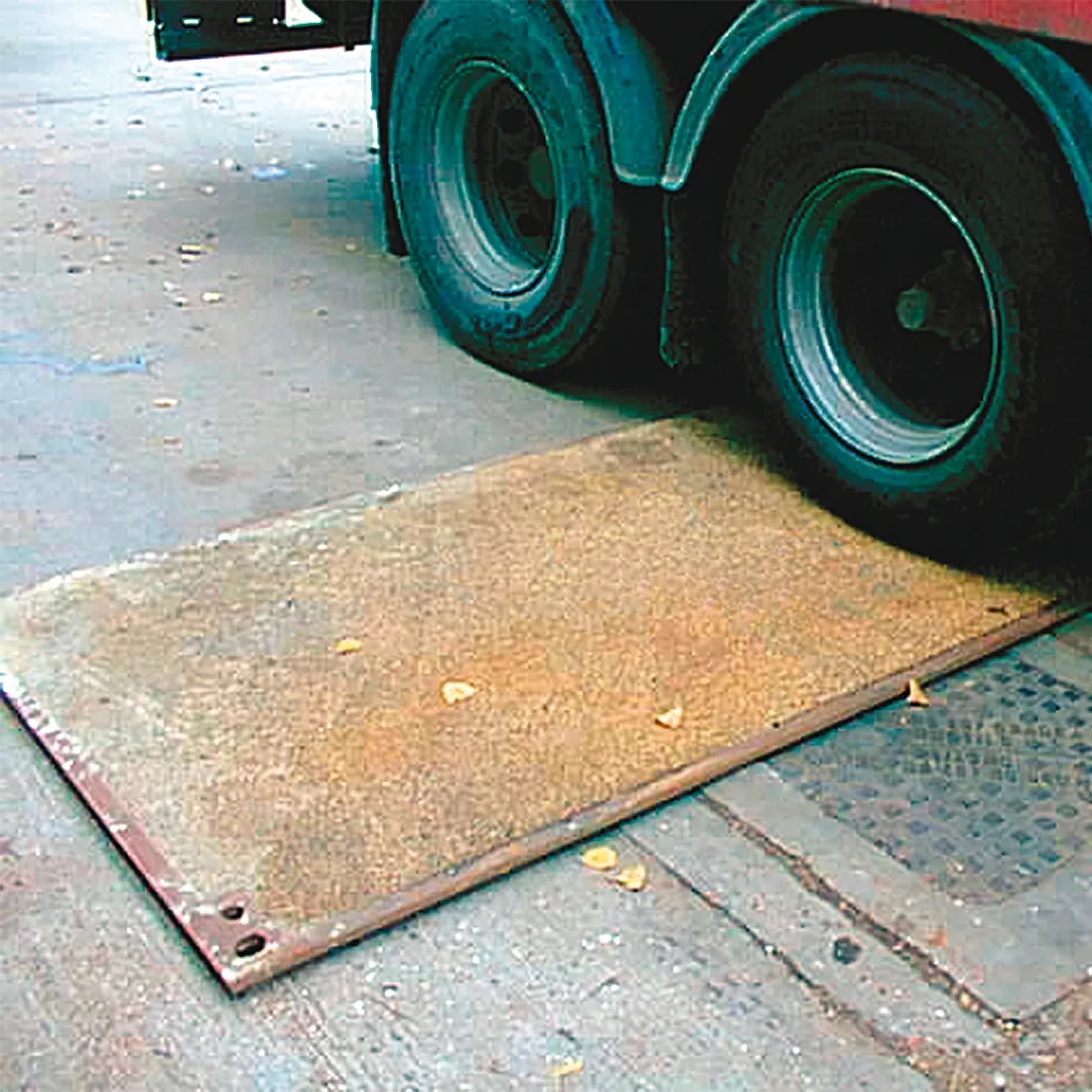
- Moulded from a single piece of glass reinforced composite material to provide a lightweight and very strong plate capable of withstanding up to 2000kg distributed vehicle load
- 15kg weight ensures easy one-man lift
- Slip resistant surface and chamfered edges reduce slip and trip hazard for pedestrians
- Length: 110cm
- Load Capacity: 2000kg
- Weight: 15kg
- Width: 100cm
We recommend you wear steel toe protection when using this product.
Gauntlets, PVC, cotton or rigger gloves are required with this item for hand protection.
Protect against falling objects. Compulsory on site.
You will need a vehicle at least the size of a truck to collect this item.
Pedestrian Road Plate
The Pedestrian Road Plate is very light and easy to deploy, without compromising strength and safety.
Hire from
£72.55 £60.46 ex.VAT
Average hire period: 3 days
You have selected a 4 day hire
Product name: Pedestrian Road Plate
Product code: 60144
Don't forget we also offer training courses through HSS Training. View details of the courses here.
- Complies with DETR Safety at Street Works and Road Works Code of Practice
- Moulded from a single piece of glass reinforced composite material to provide a lightweight and very strong plate capable of withstanding up to 2000kg distributed vehicle load
- 15kg weight ensures easy one-man lift
- Slip resistant surface and chamfered edges reduce slip and trip hazard for pedestrians
- Length: 110cm
- Load Capacity: 2000kg
- Weight: 15kg
- Width: 100cm
We recommend you wear steel toe protection when using this product.
Gauntlets, PVC, cotton or rigger gloves are required with this item for hand protection.
Protect against falling objects. Compulsory on site.
You will need a vehicle at least the size of a truck to collect this item.
Questions
A Pedestrian Road Plate is used to bridge trenches, open excavations, service pits, and temporary ground openings on construction sites, utility works, and public pathways, allowing pedestrians to cross safely while work is ongoing beneath. The Pedestrian Road Plate creates a compliant, anti-slip walkway surface that satisfies the duty of care obligations of contractors and site managers for pedestrian safety at street works.
A GRP (Glass Reinforced Plastic) Pedestrian Road Plate is significantly lighter than a steel equivalent — typically around 15kg versus 50kg or more for a steel plate of comparable size — making it deployable by one person without mechanical handling equipment. GRP also provides a better inherent non-slip surface, does not rust or corrode in wet conditions, and eliminates the manual handling injury risk that makes steel road plates a recognised site hazard.
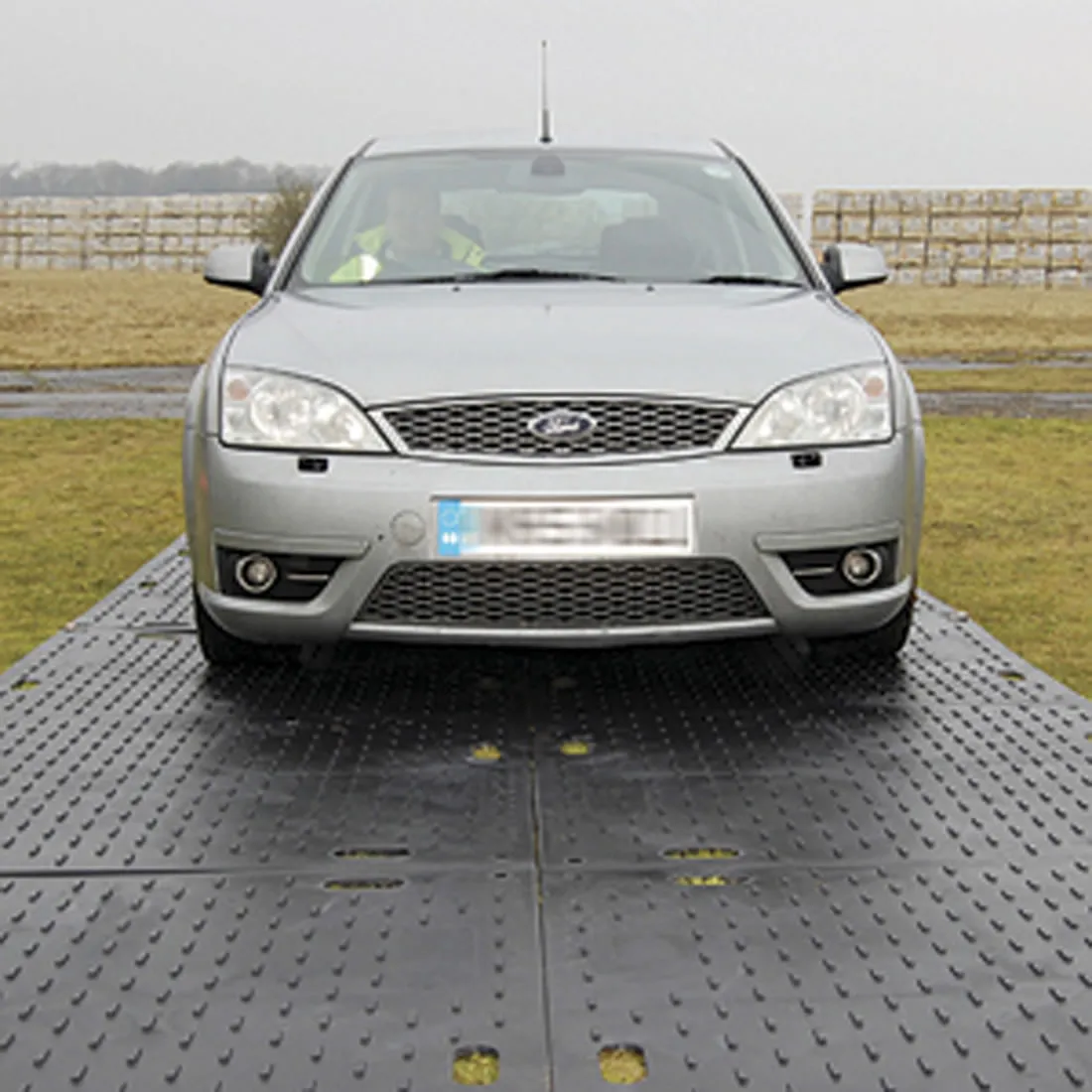
Yes. A Pedestrian Road Plate is rated to withstand a distributed vehicle load of up to 2,000kg, making it suitable for cars, vans, and other light vehicles crossing over trench covers in addition to pedestrian traffic. For heavier site vehicles such as plant machinery, excavators, or HGVs, a heavy-duty steel road plate rated for axle loading is the appropriate specification.
Yes. At approximately 15kg, a Pedestrian Road Plate can be lifted and positioned by a single person without mechanical handling equipment — a significant practical advantage over steel road plates, which typically require two people and often a telehandler or forklift to deploy safely. The lighter weight also reduces the manual handling injury risk during installation and retrieval.
Yes, the slip-resistant surface and chamfered edges are designed to reduce trip and slip hazards for pedestrians.
A Pedestrian Road Plate is commonly deployed on construction sites, utility infrastructure works (water, gas, telecom, electric), public footpaths, and pavement reinstatement projects anywhere a trench or excavation crosses a pedestrian route. It is also used at temporary events and public spaces where surface openings need to be bridged safely for the duration of a project or activity.
Yes. A Pedestrian Road Plate is designed and tested to comply with the DETR Safety at Street Works and Road Works Code of Practice, which sets out the obligations for contractors carrying out works on public roads and footways. Using a compliant Pedestrian Road Plate helps demonstrate that the duty of care for pedestrian access has been met during the works period.
Yes. The moulded anti-slip surface on a Pedestrian Road Plate is specifically designed to maintain grip for pedestrians in wet, muddy, or slippery conditions — which are typical in excavation and utility works environments. The GRP material also does not become slippery when wet in the way that painted or bare steel surfaces can, providing a more consistently safer walking surface across varying weather conditions.
Yes. A Pedestrian Road Plate is specifically designed for temporary applications — it requires no fixings, adhesives, or ground preparation to deploy, and can be removed and relocated to a new position as the works progress. This makes it ideal for phased excavation work, rolling utility maintenance programmes, and events or activities where a ground-level opening needs to be bridged temporarily.
A Pedestrian Road Plate is lightweight at approximately 15kg and designed to stack flat, allowing multiple plates to be loaded into a van or small truck efficiently. The low individual weight means loading and unloading can be done by one person without lifting equipment, significantly reducing the logistics effort compared to steel plate transport, which requires flatbed vehicles and typically a forklift at both ends.
Yes. A Pedestrian Road Plate requires no tools, fixings, or lifting machinery to install — the lightweight GRP construction allows it to be carried to position and set down manually by one person. This reduces setup time considerably compared to steel plate deployment, which typically requires a telehandler and a two-person crew, and eliminates the associated plant cost and traffic management requirements.
A Pedestrian Road Plate offers several safety advantages over steel alternatives. The lower weight (approximately 15kg versus 50kg+ for steel) substantially reduces manual handling injury risk during deployment and retrieval. The moulded GRP anti-slip surface maintains grip in wet conditions more reliably than steel, which can become hazardous when wet or contaminated. The chamfered perimeter edges reduce the trip hazard at plate boundaries, and the GRP material eliminates the corrosion risk that develops on steel plates stored outdoors between uses.
Yes. A Pedestrian Road Plate is designed for repeated reuse across multiple projects. GRP does not corrode, degrade in UV, or lose its structural properties with repeated use in the way that steel plates can develop rust, surface damage, and edge deformation over time. After each deployment, inspect the Pedestrian Road Plate for cracks or impact damage before reuse, and clean the anti-slip surface to restore full pedestrian grip.
Yes. A Pedestrian Road Plate is rated for a distributed vehicle load of up to 2,000kg, covering cars, light vans, and similar light vehicles crossing at low speed on level surfaces. It must be positioned flat and stable on firm ground with the full plate surface supported — never span a gap wider than the plate, as unsupported spans will reduce the effective load rating and risk structural failure under vehicle loading.
Yes. When handling a Pedestrian Road Plate, wear work gloves to protect against the plate edges and the anti-slip surface texture, and steel toe boots in case the plate is dropped or slides during positioning. Although the Pedestrian Road Plate is significantly lighter than a steel plate, 15kg set down at an awkward angle can still cause a foot injury. On active road or footway works, a high-visibility vest is also required by the DETR Code of Practice for anyone working within the traffic management zone.
Related products


Hire from
£72.55


