



















Please note: Images are for illustration purposes only. Actual product supplied may differ.
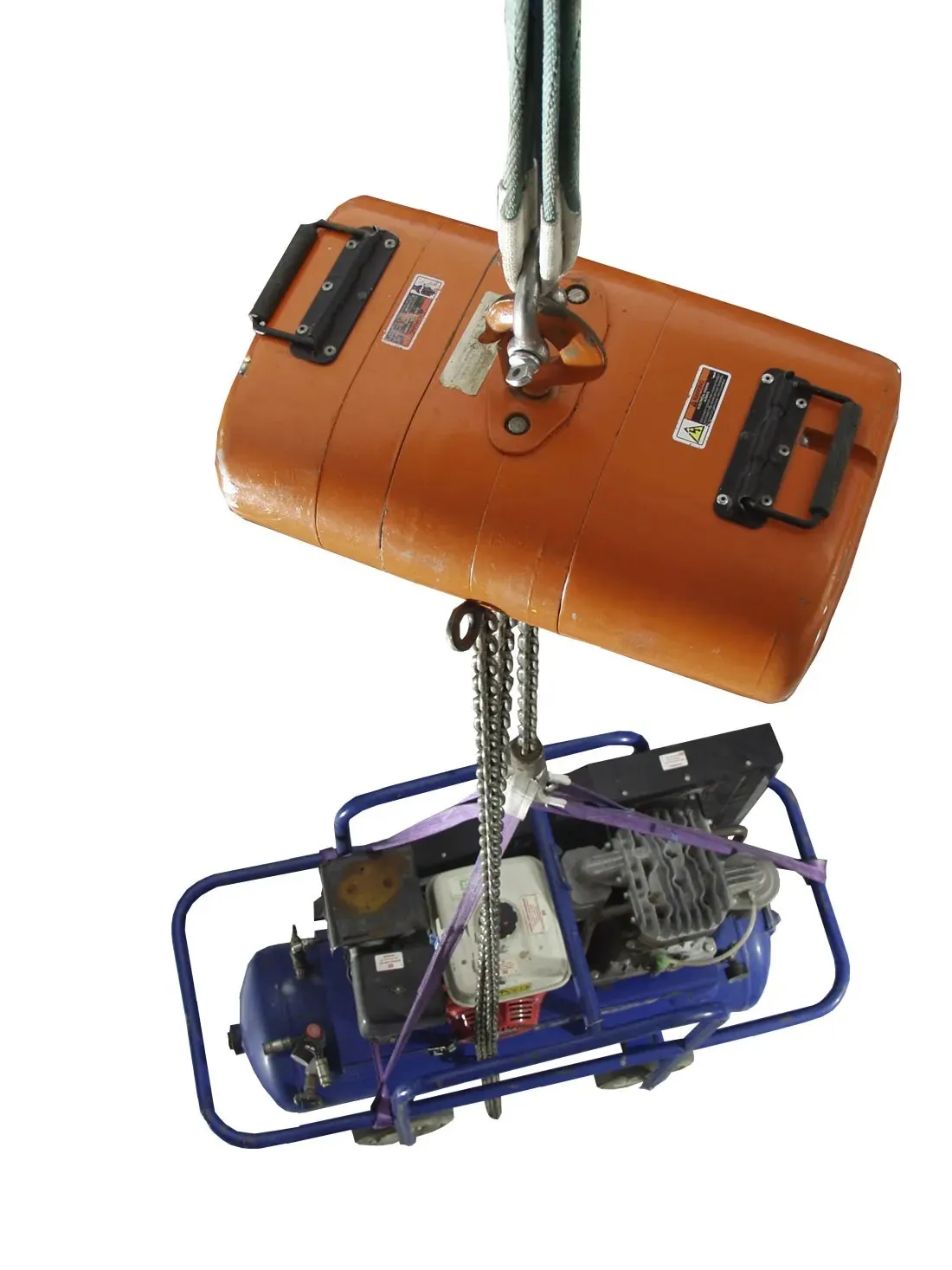
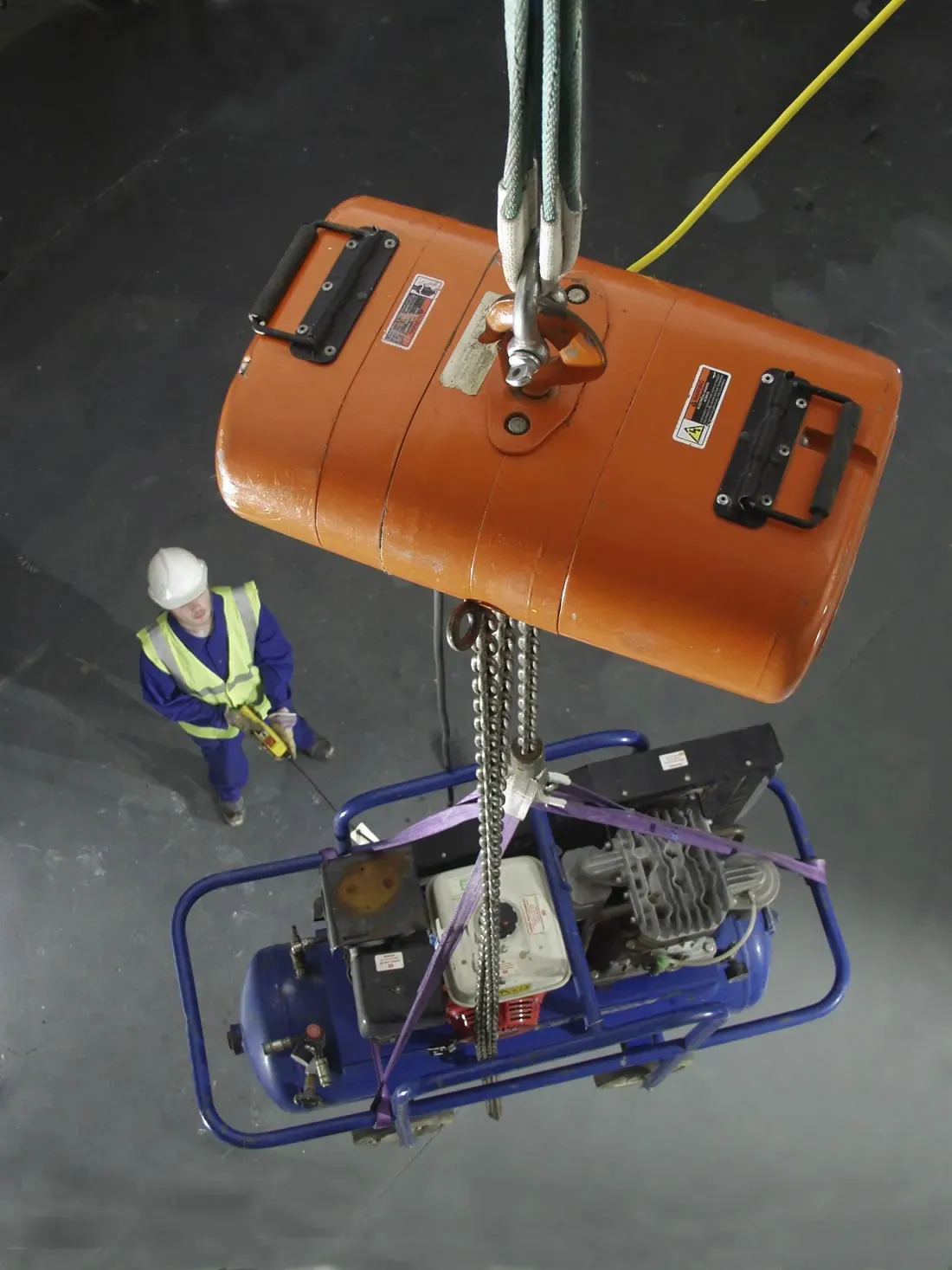
Product name: 500kg Electric Chain Hoist 15m Lift
Product code: 69108
- Safety clutch prevents accidental overloading
- Runs off single-phase, 110V 50Hz supply
- Lift heights from 6m to 25m
- Grade 80 load chain as standard
- Please note - You will need your own 'Plant Hire Insurance' to hire this product
- Capacity: 0.5T
- Chain Hoist Type: Electric
- Fuel Type: Electric
- Lifting Height: 15m
- Safe Working Load: 0.5T
- Voltage: 110V
- Weight: 33kg
Protect against falling objects. Compulsory on site.
We recommend you wear steel toe protection when using this product.
Protect against falling objects. Compulsory on site.
Use only for vertical lifts. Position or suspend equipment from a safe point to take weight of load and equipment.
Do not use load cable/chain as sling. Prevent hook overcrowding, with a bow shackle. Join lifting equipment with a D shackle. Protect sharp edges to prevent load damage.
Ensure safety catches are engaged and load chains/cables are untangled and hang freely.
You will need a vehicle at least the size of a truck to collect this item.
Electric Chain Hoists
Our range of electrically powered chain hoists take the hard work out of raising and lowering loads through significant vertical distances.
Hire from
£191.94 £159.95 ex.VAT
Average hire period: 14 days
You have selected a 15 day hire
Product name: 500kg Electric Chain Hoist 15m Lift
Product code: 69108
- Safety clutch prevents accidental overloading
- Runs off single-phase, 110V 50Hz supply
- Lift heights from 6m to 25m
- Grade 80 load chain as standard
- Please note - You will need your own 'Plant Hire Insurance' to hire this product
- Capacity: 0.5T
- Chain Hoist Type: Electric
- Fuel Type: Electric
- Lifting Height: 15m
- Safe Working Load: 0.5T
- Voltage: 110V
- Weight: 33kg
Protect against falling objects. Compulsory on site.
We recommend you wear steel toe protection when using this product.
Protect against falling objects. Compulsory on site.
Use only for vertical lifts. Position or suspend equipment from a safe point to take weight of load and equipment.
Do not use load cable/chain as sling. Prevent hook overcrowding, with a bow shackle. Join lifting equipment with a D shackle. Protect sharp edges to prevent load damage.
Ensure safety catches are engaged and load chains/cables are untangled and hang freely.
You will need a vehicle at least the size of a truck to collect this item.
Questions
An Electric Chain Hoist is used for lifting, lowering, and precisely positioning heavy loads across significant vertical distances. It is commonly used in workshops, warehouses, manufacturing facilities, steel fabrication, and on construction sites where repeated or heavy lifting is required and a manual hoist would create fatigue or delay.
Yes. An Electric Chain Hoist is suitable for beginners because the powered lift mechanism does the physical work, removing the need for manual chain pulling. Before operating, beginners should confirm the hoist is suspended from a rated anchor point, check the stated working load is not exceeded, and familiarise themselves with the up/down controls before lifting live loads.
Electric hoists make lifting faster and easier, especially for repetitive or heavy-duty tasks, and help reduce fatigue.
Yes. An Electric Chain Hoist is widely used on construction and civil engineering sites for lifting steel sections, precast units, formwork components, and heavy materials. It must be suspended from a rated beam or gantry, and a 110V supply must be available on site. Cordoning off the lifting zone during operation is standard practice.
Yes. The Electric Chain Hoist is equipped with a safety clutch to prevent overloading, safety catches on both the top and load hooks, and a limit switch to prevent the chain from being over-wound. These features make it a significantly more controlled and lower-risk option for heavy lifting than improvised or unrated alternatives.
When operating an Electric Chain Hoist, wear heavy-duty gloves to protect against chain contact and sharp load edges, steel toe boots in case of a dropped load, and a hard hat to guard against objects falling from height. Anyone working within the load swing radius should stand clear during the lift and never pass under a suspended load.
Yes. Beginners can operate an Electric Chain Hoist more safely by confirming the suspension point is load-rated before fitting, checking the chain is not twisted or kinked, never exceeding the stated capacity, and keeping bystanders clear of the load swing radius. The push-button control makes operation straightforward, but all operators should read the equipment documentation before first use.
Yes. The Electric Chain Hoist runs on a 110V electrical supply, in line with standard site equipment requirements. Confirm that a 110V transformer and power source are available on site before hiring. For locations without mains access, a Manual Chain Hoist is the more suitable alternative.
No. The Electric Chain Hoist is designed exclusively for vertical lifting and lowering. Using it to pull or drag loads sideways places dangerous lateral stress on the chain, the motor gearbox, and the suspension anchor, and creates a significant risk of the load swinging uncontrollably. For horizontal movement, use the Electric Chain Hoist in combination with a beam trolley or gantry system.
To set up an Electric Chain Hoist correctly: confirm the overhead beam or gantry is rated for the combined load of the hoist and the lifted item, attach the top hook securely to the rated anchor point, check the load chain is untangled and running freely, engage both safety catches, and test the up/down controls with a light load before lifting at full capacity.
Yes, electric hoists are ideal for lifting loads over long vertical distances, with options up to 25m.
Yes. Plant hire insurance is required when hiring an Electric Chain Hoist from HSS. Standard contents or public liability policies do not typically cover hired lifting equipment — you will need a hired-in plant insurance policy that covers the hoist's full replacement value.
The Electric Chain Hoist is a substantial piece of equipment and requires a truck or large van for collection and transport. It is not suitable for a standard car or small vehicle.
Related products
Hire from
£191.94


