



⏱ Read time: 8 min | 🌿 Difficulty: Beginner | ⏰ Time: Half a day (4 hrs) | 👷 1 person
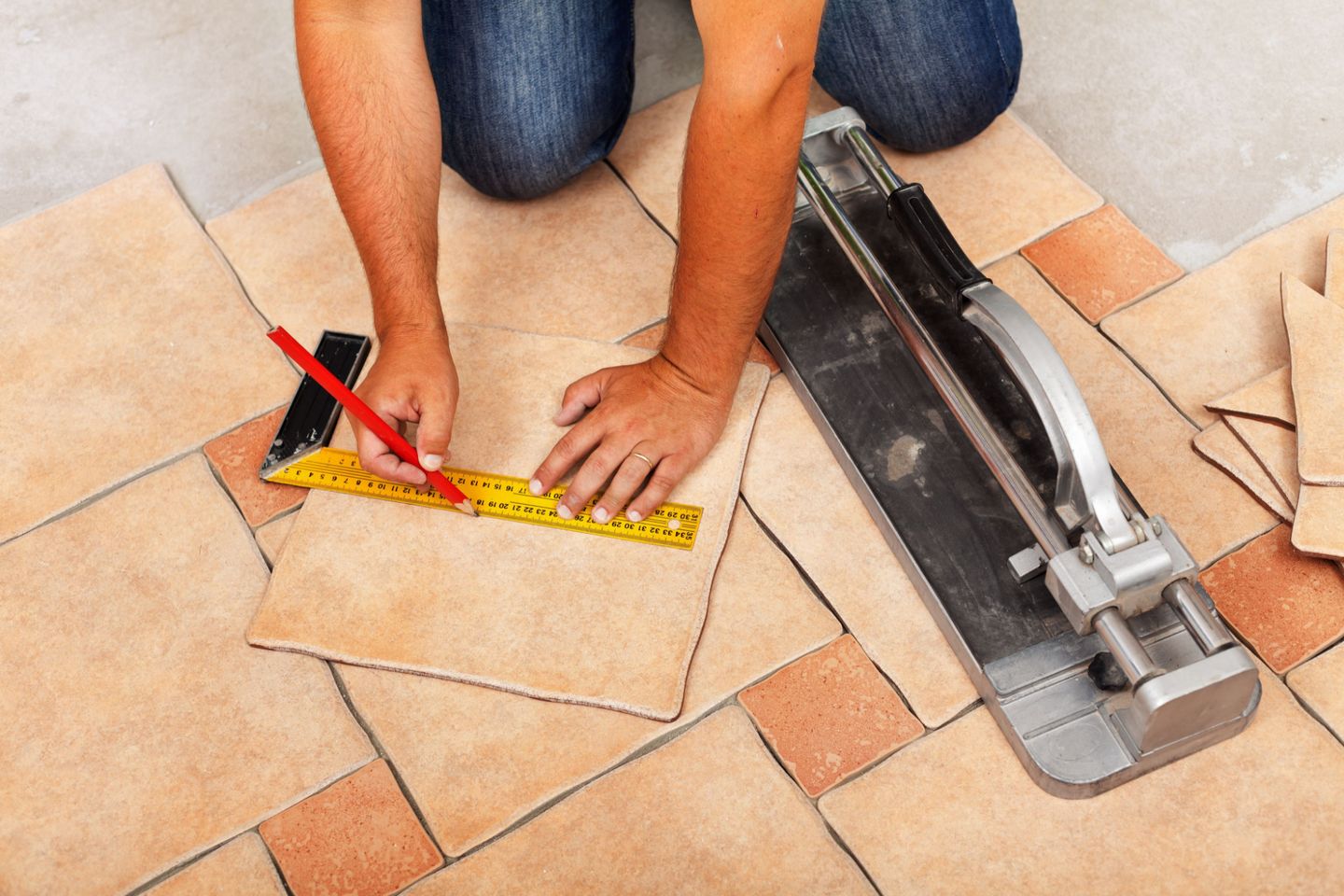
Quick answer - Your tiles decide. Pick manual for straight cuts in thinner ceramic, electric for porcelain, thicker tiles, mitres and L-cuts. Mostly ceramic? Buy from HSS DIY and keep it for the next job. Tackling porcelain or thick tiles? Hire a tile cutter from HSS DIY and hand it back when you're done.
Key takeaways
- A manual tile cutter scores and snaps. It is quiet, tidy and suits straight cuts in thinner ceramic tiles.
- An electric tile cutter uses a water-cooled diamond blade and copes with thicker tiles, porcelain, mitres and L-cuts.
- Check your tile's thickness and material first, then check the tile cutter's stated limits.
- Buy a manual tile cutter for one standard room. Hire an electric tile cutter for tough tiles or several rooms.
- Wet cutting, eye protection and a dust mask are non-negotiable.
Table of contents
- What is the difference between a manual and an electric tile cutter?
- Which tile cutter is best for a renovation project?
- Should you buy or hire a tile cutter?
- How long does a tiling renovation take?
- How would this work in a family bathroom?
- How do you cut tiles safely?
- What do HSS DIY customers say?
- What should I tick off before I start cutting?
- Frequently asked questions about tile cutters
- So, which tile cutter should you choose?
What is the difference between a manual and an electric tile cutter?
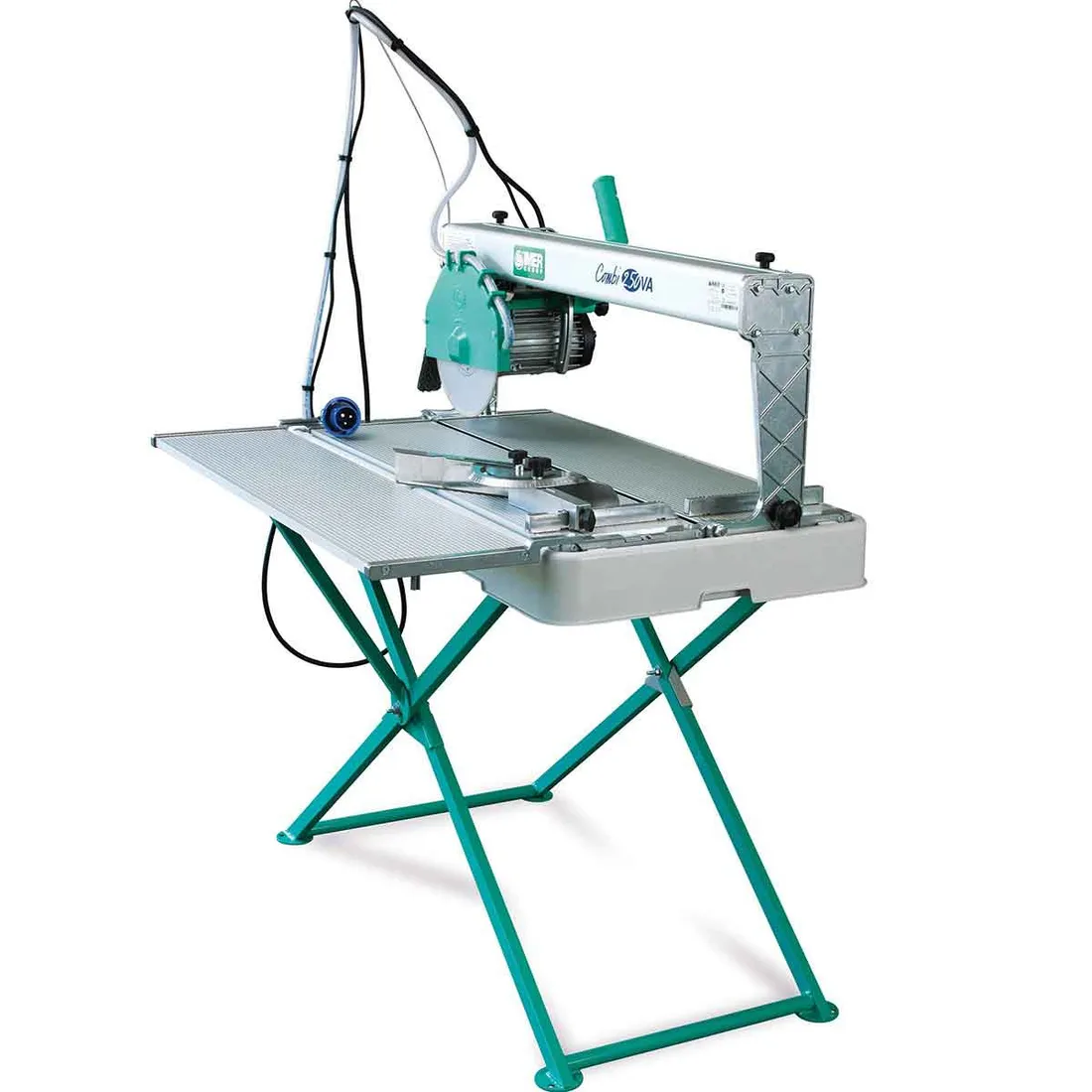
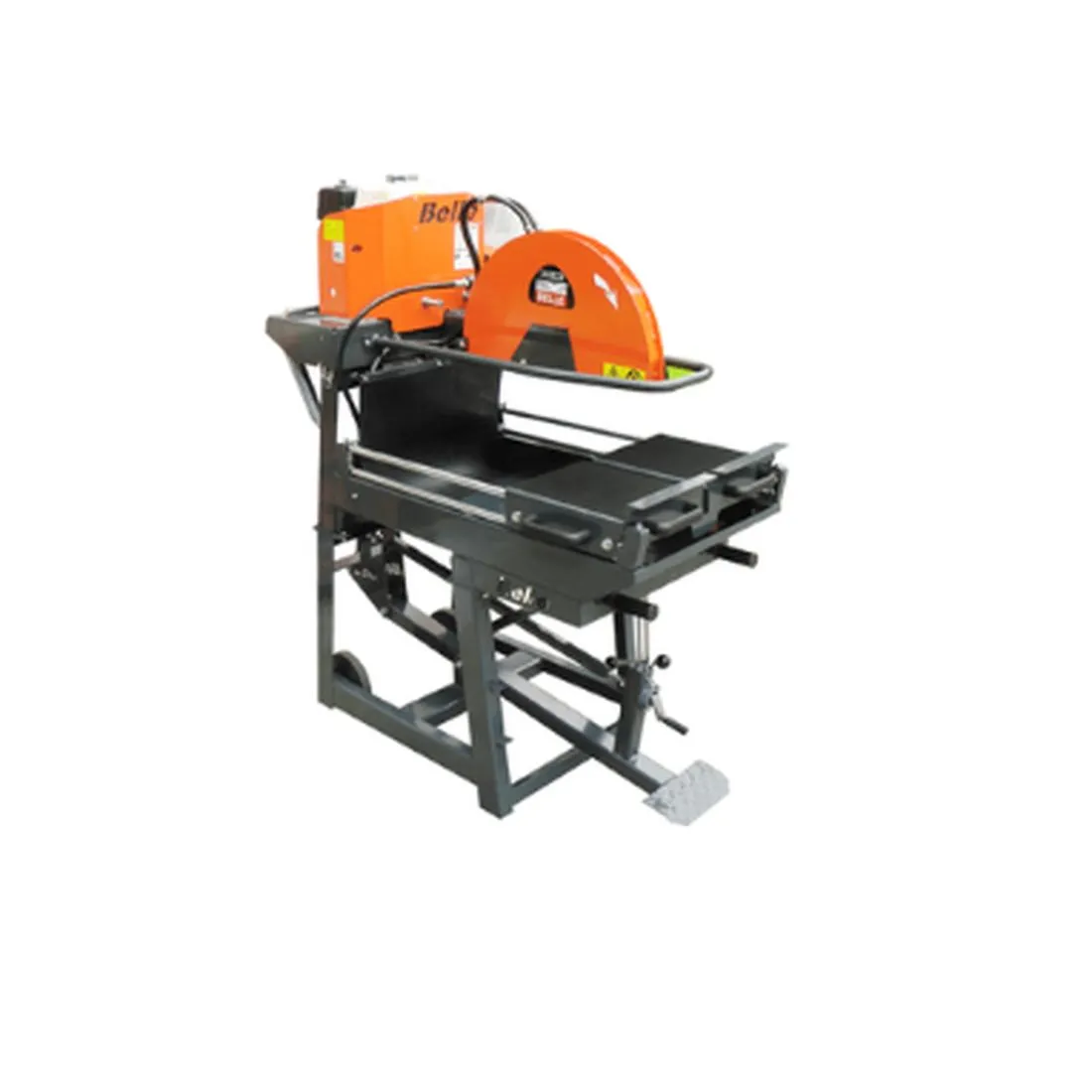
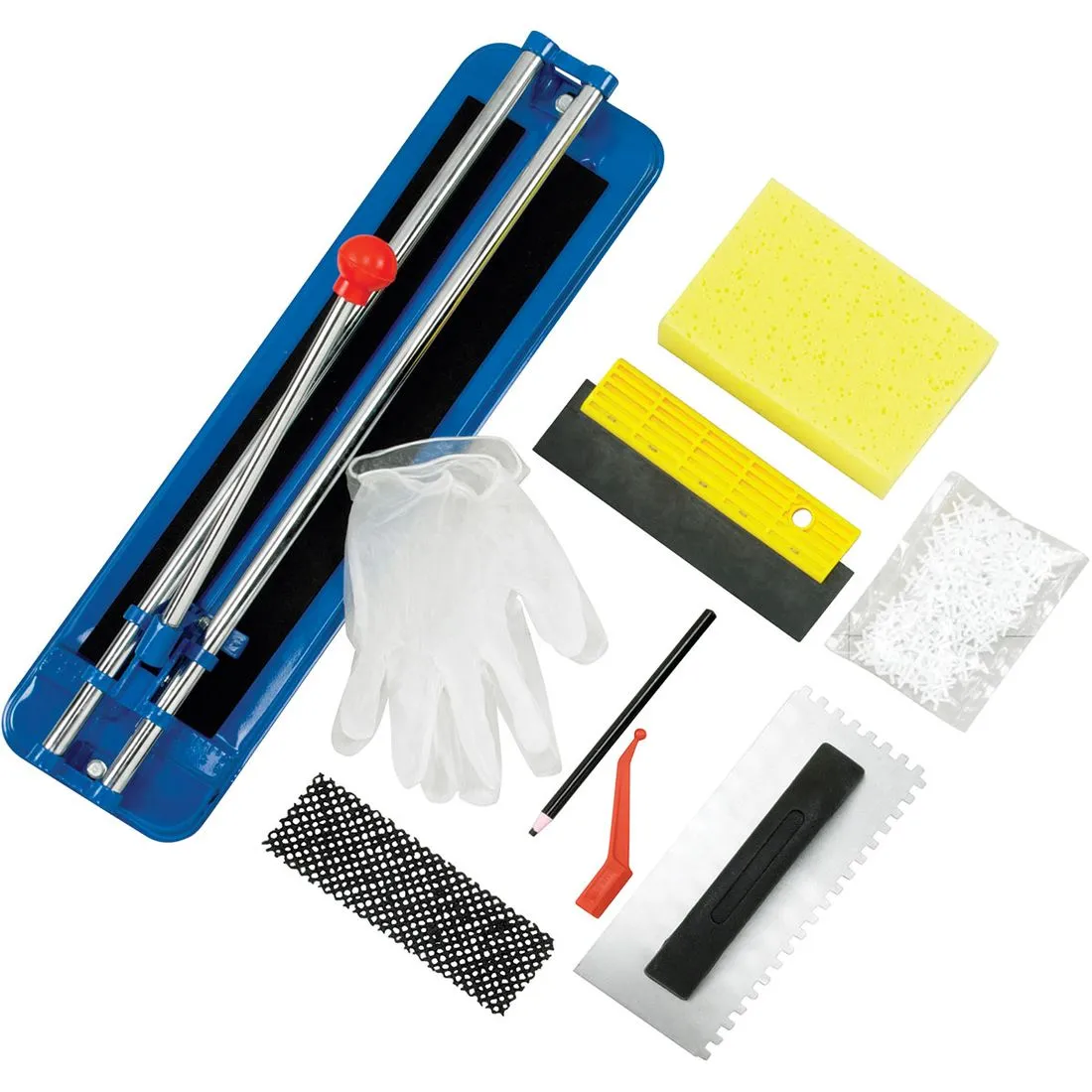
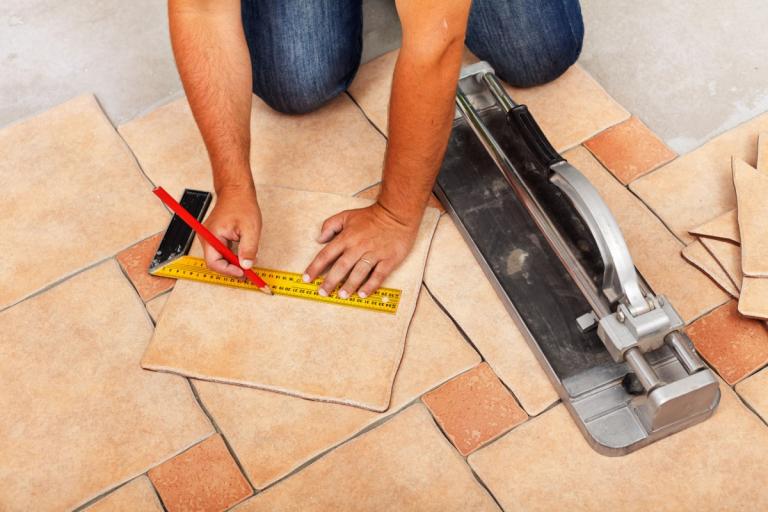
A manual tile cutter scores the glazed surface with a wheel, then snaps the tile along the line. An electric tile cutter, also called a wet saw, slices through with a diamond blade cooled by water.
That one difference decides on how fast you can work, the amount of mess you’ll make, tool prices and what you can cut. Our guide on how to cut tiles with cutters covers the best techniques you can use and how to choose between tile cutters first. The independent team at Homebuilding says a manual cutter suits straight cuts, while a wet saw gives a smoother finish and copes better with porcelain.
This table compares the two on the things that matter most in a renovation.
This table compares the two on the things that matter most in a renovation.
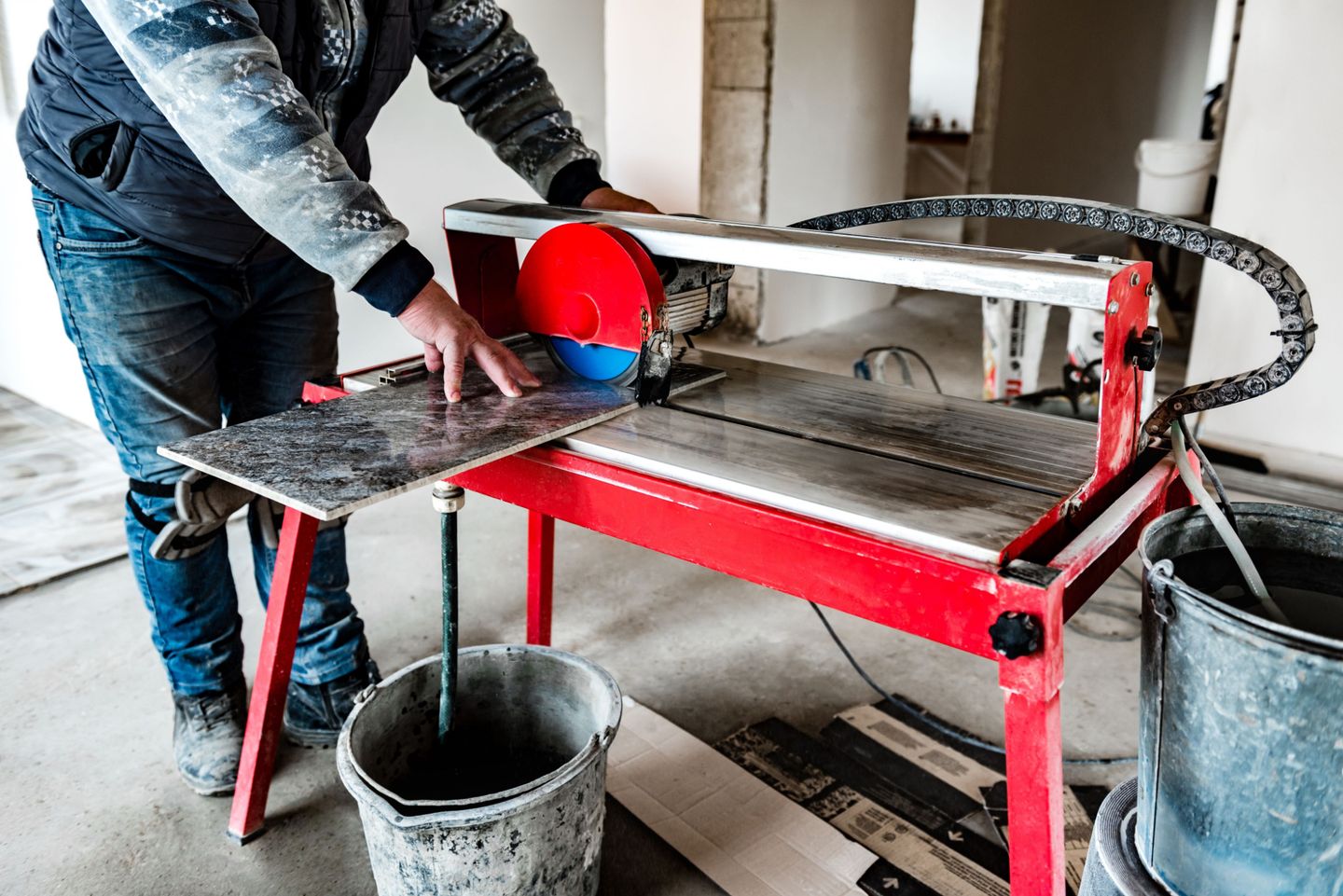
Which tile cutter is best for a renovation project?
The best tile cutter for a renovation project depends on your tiles. Choose a manual tile cutter for straight cuts in thinner ceramic. Choose an electric tile cutter for porcelain, thick tiles, mitres and anything that isn't a straight line.
Not sure which camp your tiles fall into? Run through these five checks before you buy or hire:
- Check the tile. Read the box for the material and thickness. Porcelain is tougher than ceramic, and Homebuilding says it ideally needs a wet saw. Our tile cutting guide says a manual cutter with a scribe can manage some porcelain, so check your cutter's stated limits before you commit.
- Count the cuts. A handful of straight cuts? A manual tile cutter will do nicely. Dozens of cuts, or mitred edges? An electric tile cutter saves your wrists and your patience.
- Spot the awkward shapes. Pipes and corners mean L-cuts and plunge cuts, which our hire bench saw handles. Small holes need a diamond tile drill bit.
- Check your space. Electric tile cutters need water, power and a spot you don't mind getting wet. A manual one just needs a sturdy table.
- Check your budget. Buy if you'll cut tiles again. Hire if it's a one-off job. The costs are in the next section.
Tiling a bathroom? Use a manual tile cutter for the ceramic wall tiles and hire an electric one for a porcelain floor. Right tool for each tile, and no wonky cuts to explain away.
Should you buy or hire a tile cutter?
Hiring or buying any tools comes down to a few things: price, how often you’ll use the kit and if you have the storage for it. Work that out and you’ll find the answer you’re looking for.
Here's what it costs to either hire or buy a tile cutter from HSS DIY.
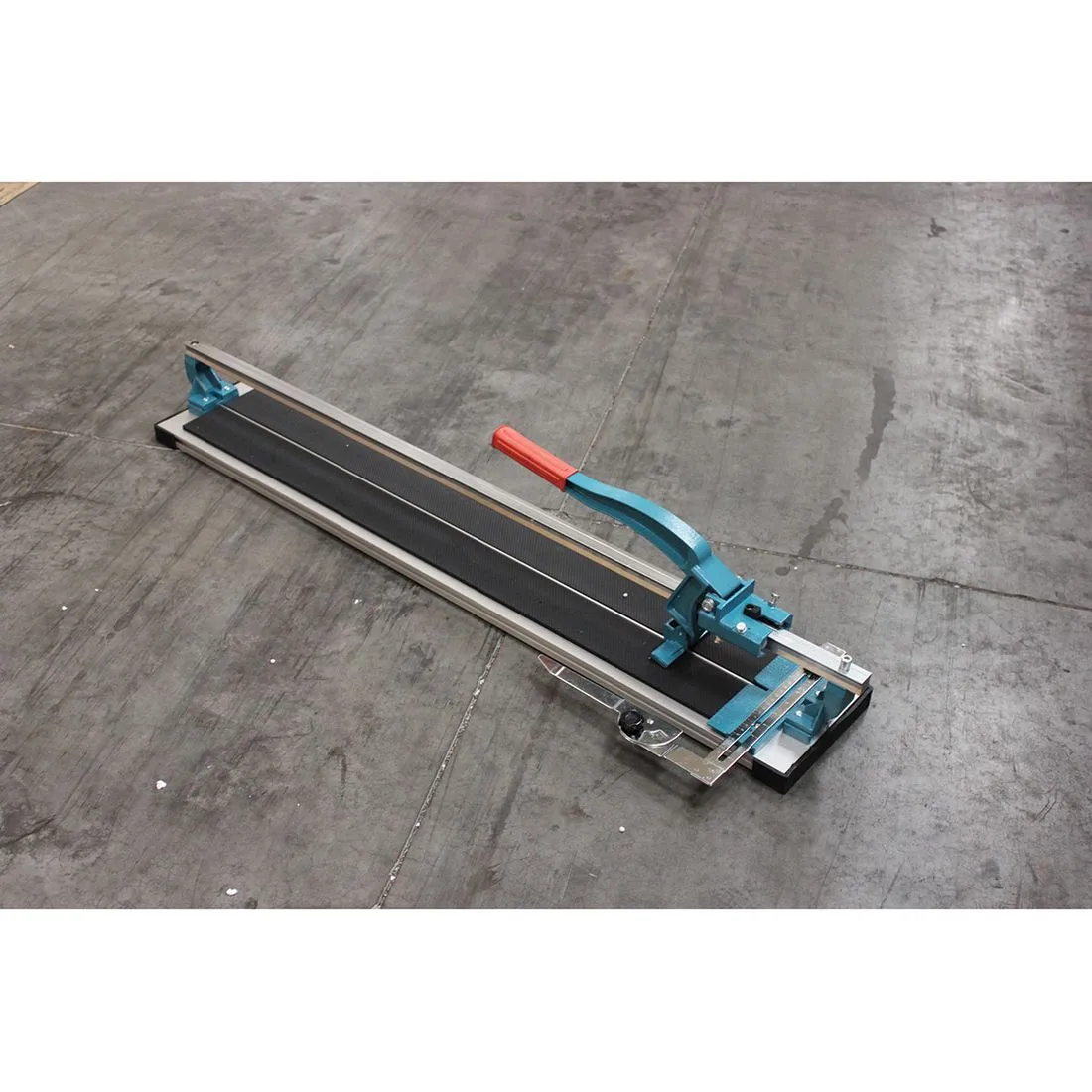
The Vitrex professional flat bed 900mm manual cutter is a good choice for creating longer straight cuts on bigger tiles if needed.
How long does a tiling renovation take?
You’ll need around half a day (4 hours) of actual cutting for a typical sized bathroom, but plan your hire around the whole job, not just the cutting.
Here's a realistic timeline:
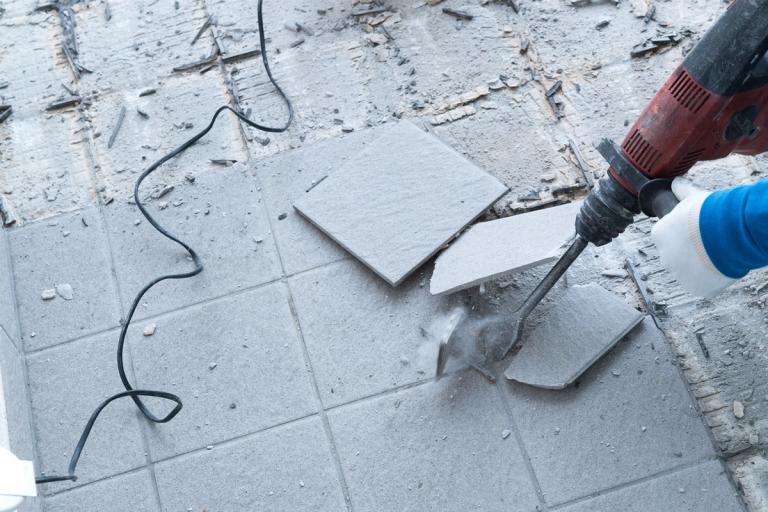
- Strip the old tiles (half a day). Our floor tile stripper is available to hire, and our guide to removing floor tiles shows the method.
- Prepare the surface (half a day). Make good, level and let it dry fully.
- Dry lay and plan your cuts (1 hour). Mark every cut before you touch a blade, and order your tile cutter online 24/7.
- Make a test cut (10 minutes). Use a spare tile and check the fit.
- Cut in batches (2 to 3 hours). Work by wall or row so you can find the right tile quickly.
- Fix and grout (1 to 2 days). Our tile a floor guide covers the rest, including drying times.
- Clean and return (30 minutes). Drain, wipe down and return any hire kit.
Try to keep the room warm and check your adhesive label for its minimum working temperature before you start tiling. You can hire an electric heater if needed, and it’s best to set a wet saw up in a garage rather than a frosty patio.
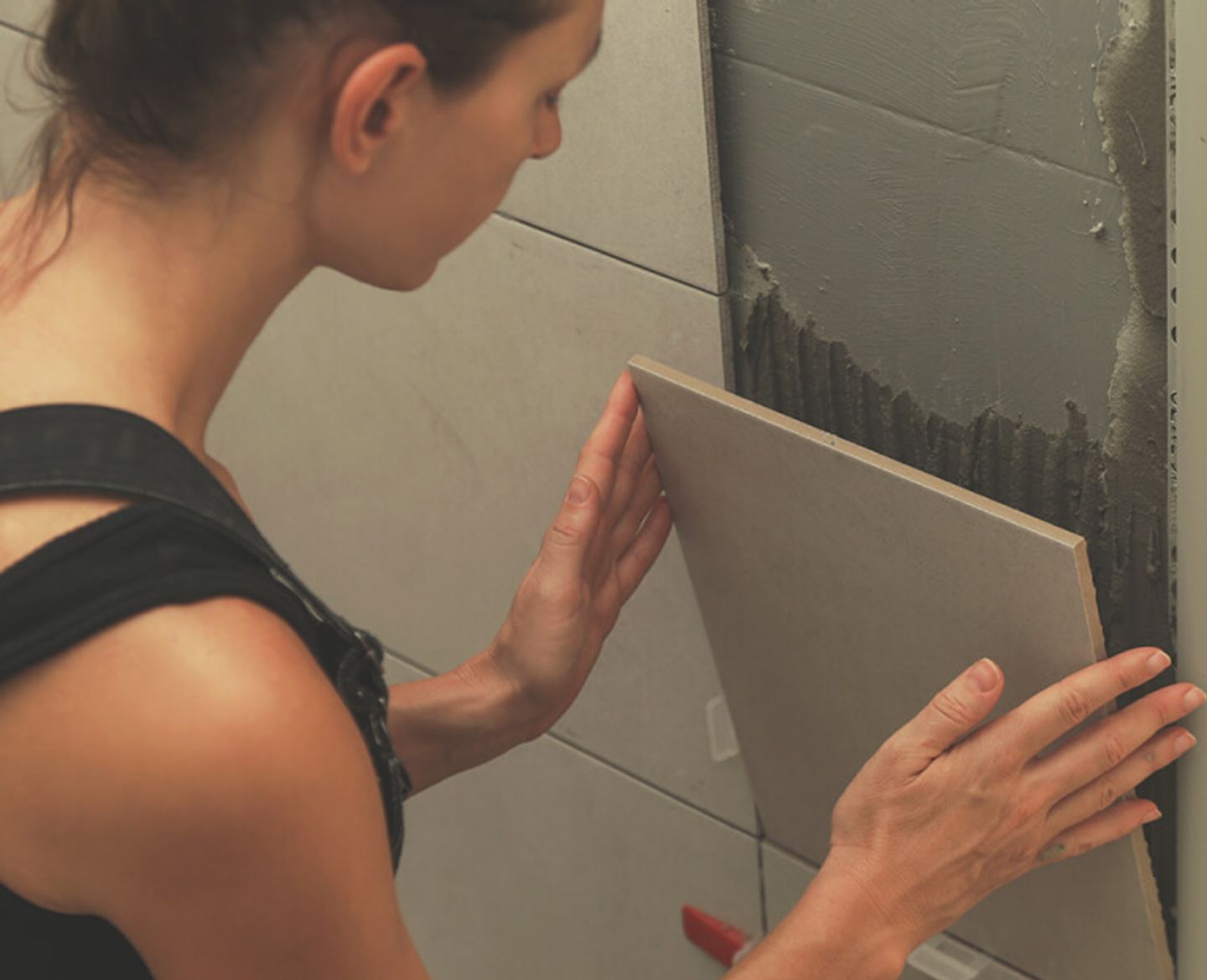
How would this work in a family bathroom?
Say you're re-tiling a 6m² family bathroom with 600 x 600mm porcelain on the floor and 300 x 600mm ceramic tiles, up to 12mm thick, on the walls, here’s what you’ll need.
- Floor: 6m² needs roughly 17 tiles, so order around 19 for cuts and breakages. The edge tiles and pipe cut-outs go to a hired bench saw.
- Walls: these are mostly straight cuts in ceramic, so the Vitrex 600mm manual tile cutter, which takes tiles up to 12mm, is enough.
- Cost: £69.26 to buy the manual cutter plus hire from £105.00 for the bench saw comes to from £174.26 inc. VAT. Confirm blade, delivery and any extra hire days on top.
- Time: with every cut marked in advance, allow around half a day (4 hrs) of cutting.
This is an illustrative example, not a customer story.
What do HSS DIY customers say?
⭐⭐⭐⭐⭐ “Hired a tile cutter and it did a great job - exactly what was needed!” James’ review on our tile cutter.
⭐⭐⭐⭐⭐ “The tile saw was excellent, and it came with a very good blade for cutting 20mm Porcelain tiles, I didn’t waste one tile, it cut true every time.” Gordon’s review on our tile saw.
What should I tick off before I start cutting?
Here’s everything you should do before you start cutting your tiles.
☐ Measure tile thickness and check the material
☐ Check the tile cutter's maximum thickness and cut length
☐ Choose manual or electric tile cutter
☐ Buy from HSS DIY, or hire from HSS DIY for your whole tiling window
☐ Confirm whether the diamond blade is included
☐ Safety glasses, gloves, dust mask and ear defenders ready
☐ RCD and transformer ready for 110V kit
☐ Clear, level, covered space with water and power
☐ Test cut on a spare tile
☐ Clean down and return hire kit on time
Frequently asked questions about tile cutters
Can a manual tile cutter cut porcelain?
Sometimes. Check your cutter's specification, as the Vitrex 600mm lists ceramic, terracotta and quarry tiles. For dense or thick porcelain, an electric tile cutter is the safer bet.
Is an electric tile cutter worth buying?
Only if you'll tile regularly. For a single renovation, hiring is usually kinder to your wallet and your shed.
Can I hire a tile cutter for a weekend?
Absolutely. You can hire a tile cutter for as long as you need it, simply choose your dates when you’re on the product page.
Can I use an electric tile cutter indoors?
You can, but expect grey, gritty mix of tile dust and water. Set the tile cutter up in a garage or a covered, easy-to-clean space. Protect the floor with a waterproof sheet and keep the power supply & RCD well away from the water.
How do I cut a hole in a tile for a pipe?
Small holes suit a diamond tile drill bit. Larger cut-outs and L-shapes are easier with the plunge-cut head on our hire bench saw.
What else do I need for tiling?
You’ll also need adhesive, grout, spacers and trowels for tiling. Our tiling tools and adhesives range covers the lot, and our kitchen tiling guide walks you through a full room.
So, which tile cutter should you choose?
Now you’ve know more about them, should you go for a manual or an electric tile cutter?
For straight cuts in ceramic, a manual tile cutter is hard to beat: quiet, tidy and kind to your budget. For porcelain, thick tiles and fiddly shapes, an electric tile cutter earns its keep, and hiring means you only pay while you need it. Whichever you pick, test on a spare tile first.
You'll find every HSS DIY tile cutter option in one place on our website. You can get next day delivery on selected items but if you prefer to collect your order, you can choose click & collect from one of our partner brances. If your order has several items, they may arrive separately.
Buy the materials. Hire the tools. One order. All in one place.
Get DIY Happy with HSS DIY: The Home of Great Projects.
▶ Buy a tile cutter from HSS DIY ▶ Hire a tile cutter from HSS DIY ▶ Browse tiling tools
Meet the people behind our Tips & Advice
From quick fixes to bigger DIY projects, get to know the people behind the guides helping you get the job done with confidence.