


⏱ Read time: 9 min | 🌿 Difficulty: Beginner | ⏰ Time: 2 to 4 hrs (10m trench, estimate) | 👷 1 person (plus a helper for spoil)
For most digging jobs that are bigger than a small border or a few post holes, yes, hiring a mini digger is worth it. It does in hours what takes days by hand, costs far less than buying, and if you’re using a modern machine, they are easier to learn. It's not as worthwhile to hire for very small jobs, very tight access, or work that really belongs with a groundworks contractor.
This guide covers when hiring makes sense, what a hire really costs once you add everything up, how it compares with paying a labourer or buying your own machine, and how easy mini diggers are to use safely. When you're ready to book, our mini digger hire page has live prices, machine sizes and access widths.
When is it worth hiring a mini digger?
A mini digger is usually worth hiring when the job is bigger than a day of spade work. The kit is there to help take the load of the big jobs. If you’re unsure, use this checklist.
Usually worth hiring when:
- The job involves more than a few hours of digging, such as trenches, foundations, ponds or levelling a garden
- The ground is heavy clay or full of roots or rubble that would be slow by hand
- You need to shift a lot of spoil, topsoil or hardcore
- There’s enough access and working space for the machine
- You have a few clear days to get the job done
Probably not worth hiring when:
- The job is a small border, a few post holes or light weeding
- Your access is narrower than the smallest machine (check the gate and access widths on our digger hire page)
- You'll be digging near underground services you can't confidently locate
- The work needs specialist skills, such as deep excavations or structural foundations, where a groundworks contractor is the safer choice

How much time does a mini digger save compared with digging by hand?
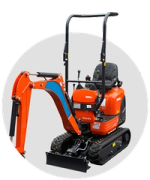
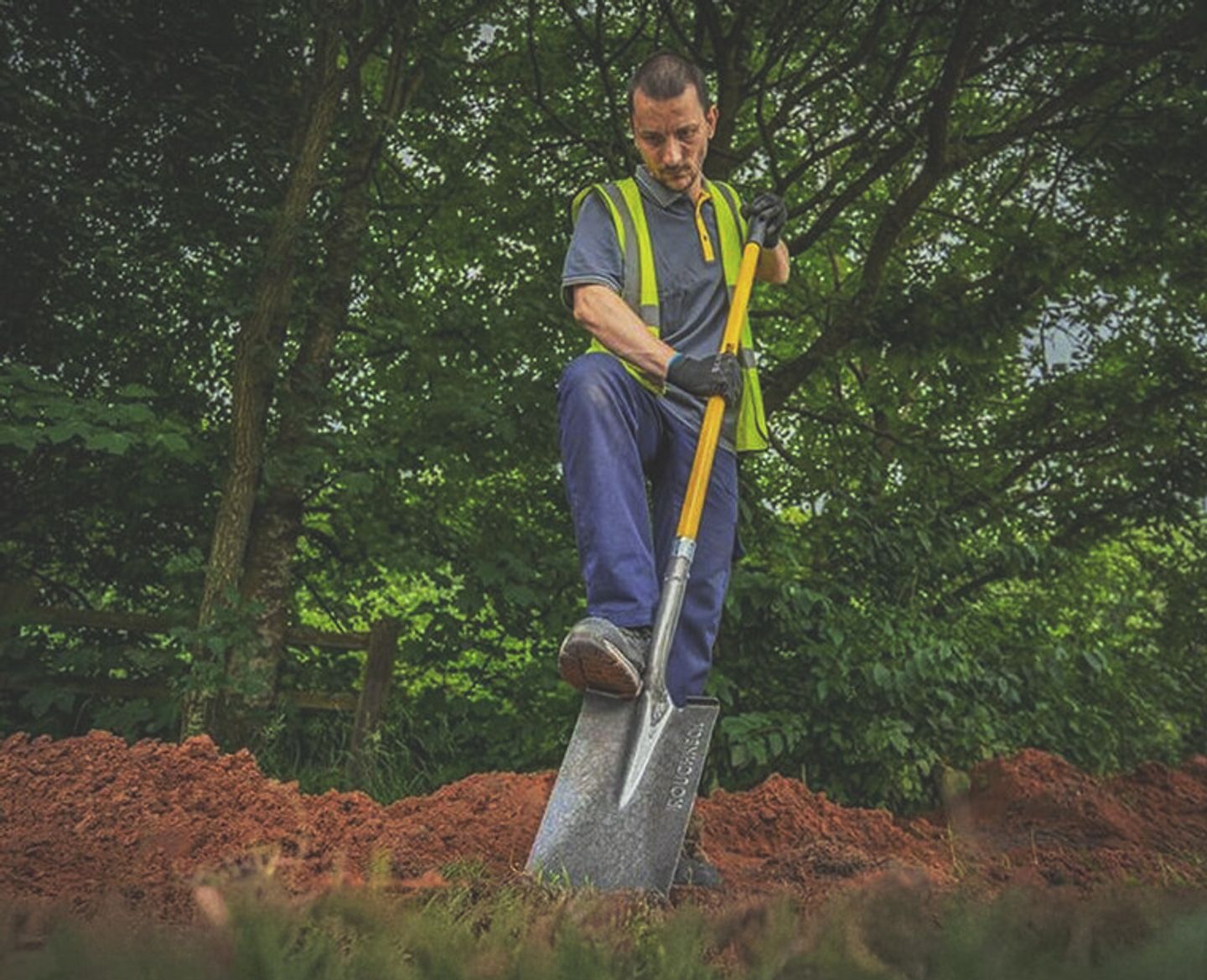
A 1.5 tonne mini digger can typically move around 15 to 40 cubic metres of soil in a working day, against roughly 1 to 3 cubic metres for one fit person with a spade. That's often ten times the output or more, for a fraction of the physical effort.
How much you can get done depends on:
- Ground conditions: sandy topsoil digs fast; heavy clay, roots, tree stumps and buried rubble slow everything down
- Operator experience: expect your first morning to be slower while you learn the controls
- Bucket size: a wider bucket clears bulk soil faster, while a narrow trenching bucket keeps trenches neat
- Spoil handling: if you can't move spoil away quickly, the digger ends up waiting for the wheelbarrow
Estimate example: a 10m drainage trench, 300mm wide and 600mm deep, in average clay soil
A digger gives a more consistent trench depth and fall, which matters for drainage and footings. You can grade a level far more accurately with a digger than by eye with a spade too. It also a lot easier on your back! Hours of hand digging is a common cause of strains and injuries, and the machine takes that load instead.
What does hiring a mini digger really cost?
The day rate is only part of the bill. Before you decide whether a mini digger is worth it, add up the whole job:
- Hire charge: Depends on machine size and hire length. See live mini digger hire prices.
- Delivery and collection: Most people have the machine delivered, as towing one needs a suitable vehicle and trailer. Check the charge for your postcode when you book.
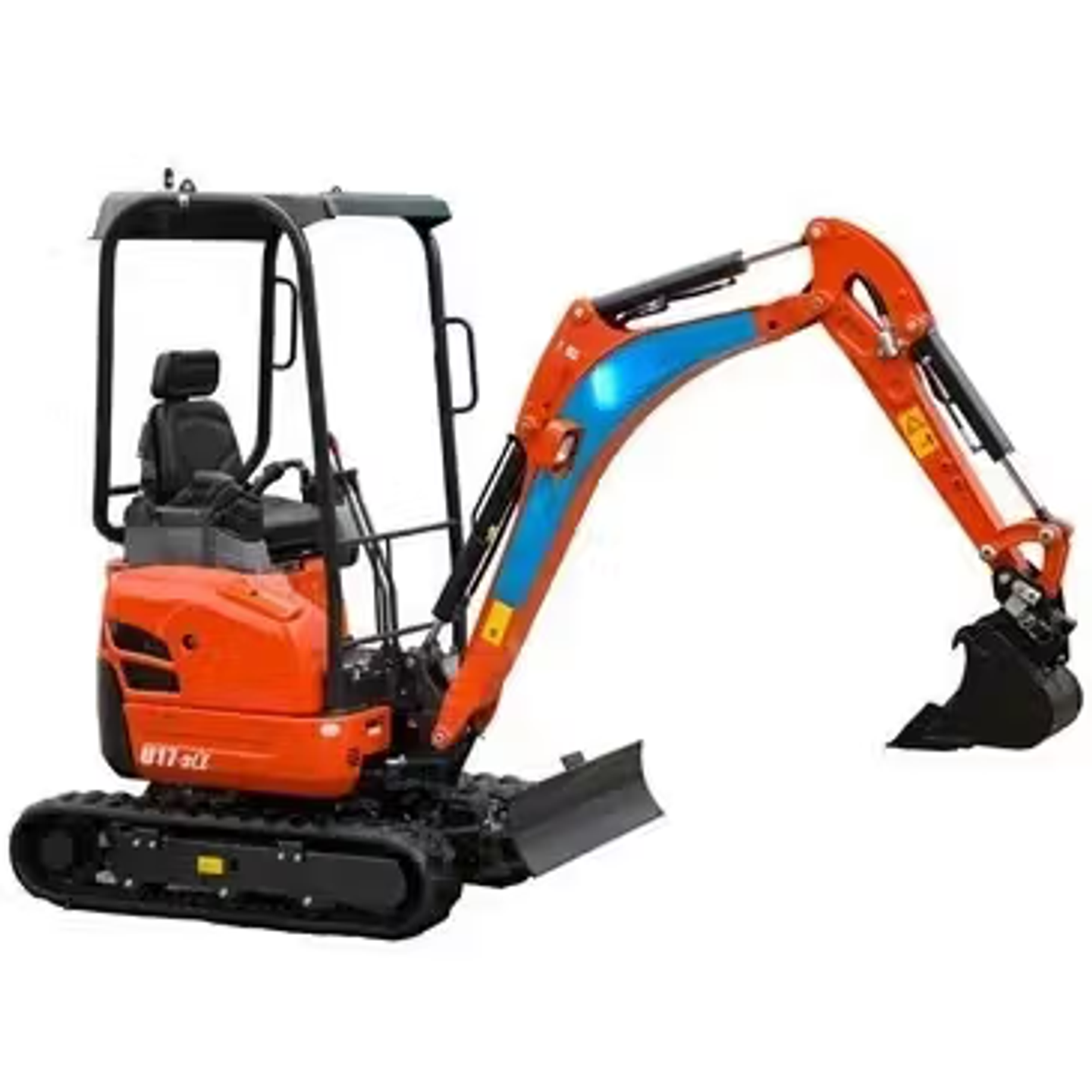
- Fuel: The HSS Mini Digger 1.5T has a 19 litre diesel tank, which typically lasts a full working day. Budget for a refill on longer hires.
- Damage waiver or insurance: Covers accidental damage to the machine. Take the waiver or check your own policy covers hired plant.
- Attachments: A breaker for concrete, or a narrow or grading bucket, is charged on top. Book them with the digger.
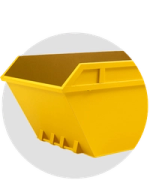
- Spoil removal: A 10m trench produces about 2 cubic metres of soil, which bulks up once dug. You'll need a skip, a grab lorry or a dumper to move it.
- Your time: Allow an hour or two to learn the controls, plus your own days on the job.
Tip on hire length: the average hire for our Mini Digger 1.5T is around 7 days. Weekend and weekly hire rates usually work out cheaper per day than a single day hire. Longer hire period can work out better just incase the weather turns or the ground is harder than expected and you need the kit a few more days.

Is it cheaper to hire a mini digger or a labourer?
For anything bigger than a day or two of digging, hiring a mini digger yourself is usually cheaper than paying labourers. Labourers charge by the day however slow the digging gets, and heavy clay or roots can double the time.
A 1.5T mini digger gets through the same ground in hours. A groundworks contractor costs the most, but that price covers an experienced operator, their own machine and the risk if something goes wrong.
Is it worth buying a mini digger instead?
For occasional use, hiring is almost always better value than buying. A mini excavator becomes a good investment only when you have steady digging work most weeks of the year.
What a mini digger costs to buy: industry guides quote around £12,000 to £25,000 for a used 1.5 tonne machine and £25,000 or more new (tooli.uk, as of 2026). Budget imported machines are advertised from under £10,000, but reliability, parts supply and resale value vary widely.
What owning one costs on top:
- Servicing, commonly every 250 operating hours, plus wear parts such as tracks, pins and bushes
- Repairs and downtime when something breaks
- Insurance, secure storage and anti-theft measures
- A trailer and a vehicle that can legally tow it
- Depreciation, which is steepest in the first few years
A simple break-even check: count the days you'd realistically hire a digger each year and multiply by the hire cost. Compare that with the yearly cost of owning: finance or lost interest, depreciation, servicing, insurance, storage and transport. For most homeowners it's a few days a year, so hiring wins easily.
Buying can make sense for landscapers, groundworkers and small builders with digging work most weeks. Even then, many keep hiring for larger or specialist machines rather than owning a fleet.

Are mini diggers easy to use?
Yes, for most people. Modern mini diggers use two joysticks for the arm and bucket and two levers for the tracks, and most first-time users feel comfortable with the basics within an hour or two of practice. Smooth, precise digging takes longer, so don't expect contractor speed on day one.
- Practice in an open area first, digging and refilling a test hole, before working near buildings, fences or trenches
- Watch the HSS DIY product videos and ask for a walkthrough of the controls at handover
- Start slowly and keep movements small until the controls feel natural
- If you want formal training, HSS Training runs mini digger and excavator courses, including CPCS, NPORS and EUSR
Do mini diggers tip over?
Mini diggers are stable when used correctly, but they can tip on slopes, near trench edges, or when travelling or lifting with the arm raised. Follow these simple rules to keep the machinery upright:
- Keep the bucket low when moving
- Travel straight up and down slopes, never across them
- Keep the tracks well back from trench and excavation edges
- Don't lift loads the machine isn't rated for
- Always wear the seatbelt
Do I need a licence for a mini digger?
In most cases, a formal license isn’t required for private or non-commercial use, but training is strongly recommended. For commercial sites, operators may need to show proof of competence (e.g., CPCS or NPORS certification in the UK).
Which jobs is a mini digger worth hiring for?
Most domestic and small construction digging jobs are worth hiring a mini digger for. Here's how common projects compare.
For more ways to use a mini digger, see our guide What is a Mini Digger?
How to get the most from your mini digger hire with HSS DIY
So there we have it.
Hiring a mini digger is absolutely worth it for most homeowners, DIYers and small trades. If your job is more than a few hours of spade work, a mini digger will save you days of hard labour for far less than the cost of buying one or paying a team to dig by hand.
Where it isn’t worth hiring is for jobs like creating small borders or with very tight access or deep structural work. For that, a spade or a groundworks contractor is the better call.
A little planning before you start means you can get started as soon as the kit arrives, rather than wasting half a day figuring out how you’ll get it through the side gate.
Remember to:
- Measure the access route and working area before booking, including gates, side passages and overhead clearance. Compare them with the machine sizes and gate widths on our digger hire page.
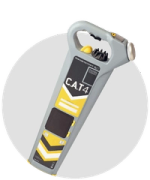
- Mark out the job and locate services before the machine arrives, using spray paint and a cable locator.
- Have somewhere for the spoil ready, such as a skip or a dumper to move it around site.
- Book attachments at the same time, such as a breaker or a different bucket, so you're not waiting for a second delivery.
- Plan the work so the machine is used every day of the hire. Get materials delivered, and line up help with barrowing and backfilling.
- Protect lawns and paving on the route in with boards or ground mats.
Ready to book? Hire a Mini digger with HSS DIY today, or contact our live chat team who can help and give advice on the right machine. You can also contact HSS Training before you hire the digger so you can understand how to use it safely.
Buy the materials. Hire the tools. One order. All in one place.
Get DIY Happy with HSS DIY: The Home of Great Projects.
FAQs
Is it worth hiring a mini digger?
Yes, for most jobs bigger than a small border or a few post holes. A mini digger does in hours what takes days by hand and costs far less than buying. It's less worthwhile for tiny jobs, very tight access or specialist groundwork.
Is it worth buying a mini digger?
Only if you'll use it most weeks. Used 1.5 tonne machines cost around £12,000 to £25,000, plus servicing, insurance, storage, transport and depreciation. For occasional jobs, hiring is better value.
Is a mini excavator a good investment?
It can be for landscapers and builders with steady, year-round digging work. For homeowners and occasional users, ownership costs usually outweigh what you'd spend on hire.
Is it cheaper to hire a mini digger or a labourer?
For anything more than a day or two of digging, hiring a mini digger is usually cheaper. One machine can do the work of several labourers, especially in heavy clay. See our mini digger hire page for live prices.
How much can you dig in a day with a mini digger?
A 1.5 tonne mini digger can typically move around 15 to 40 cubic metres in a day, depending on ground conditions, bucket size, experience and how quickly spoil is moved. One person by hand might manage 1 to 3 cubic metres.
Are mini diggers easy to drive?
Yes. Most first-time users get comfortable with the basic controls within an hour or two. Practise in an open area before working near buildings or trenches.
Do mini excavators tip easily?
Not when used correctly. They can tip on slopes, near trench edges or with the arm raised. Keep the bucket low when moving, travel up and down slopes, stay back from edges and wear the seatbelt.
Do I need a licence to hire a mini digger?
No licence is needed on your own private land. Commercial, roadside and public sites need a CPCS or NPORS card. See our mini digger hire page for details.
How long should I hire a mini digger for?
Allow longer than you think. A weekend or a week often costs less per day than a single day and gives you slack for weather, harder ground and learning time.
Should I hire an electric or diesel mini digger?
Electric mini diggers suit indoor work and sites that need low noise or zero emissions. Diesel is better for long working days and remote sites without charging. Ask your local branch which options are available near you.