
















⏱ Read time: 8 min | 🌿 Difficulty: Beginner | ⏰ Time: Half a day (4 hrs) | 👷 1 person
The quick answer: To protect your outdoor plants and pots from frost, start with the roots, as pot roots are the weak spot. Move containers against a sheltered house wall and raise them off the ground. Wrap pots in bubble wrap or hessian and mulch your beds. On frosty nights, cover tender plants with fleece. Most gardens take half a day.
Key takeaways
- Roots in plant pots freeze faster than roots in the ground, so start with containers.
- Heavier grades of garden fleece give about 2°C of extra protection, according to the RHS.
- Get frost protection for plants in place at the first frost warning.
- Good drainage matters as much as wrapping.
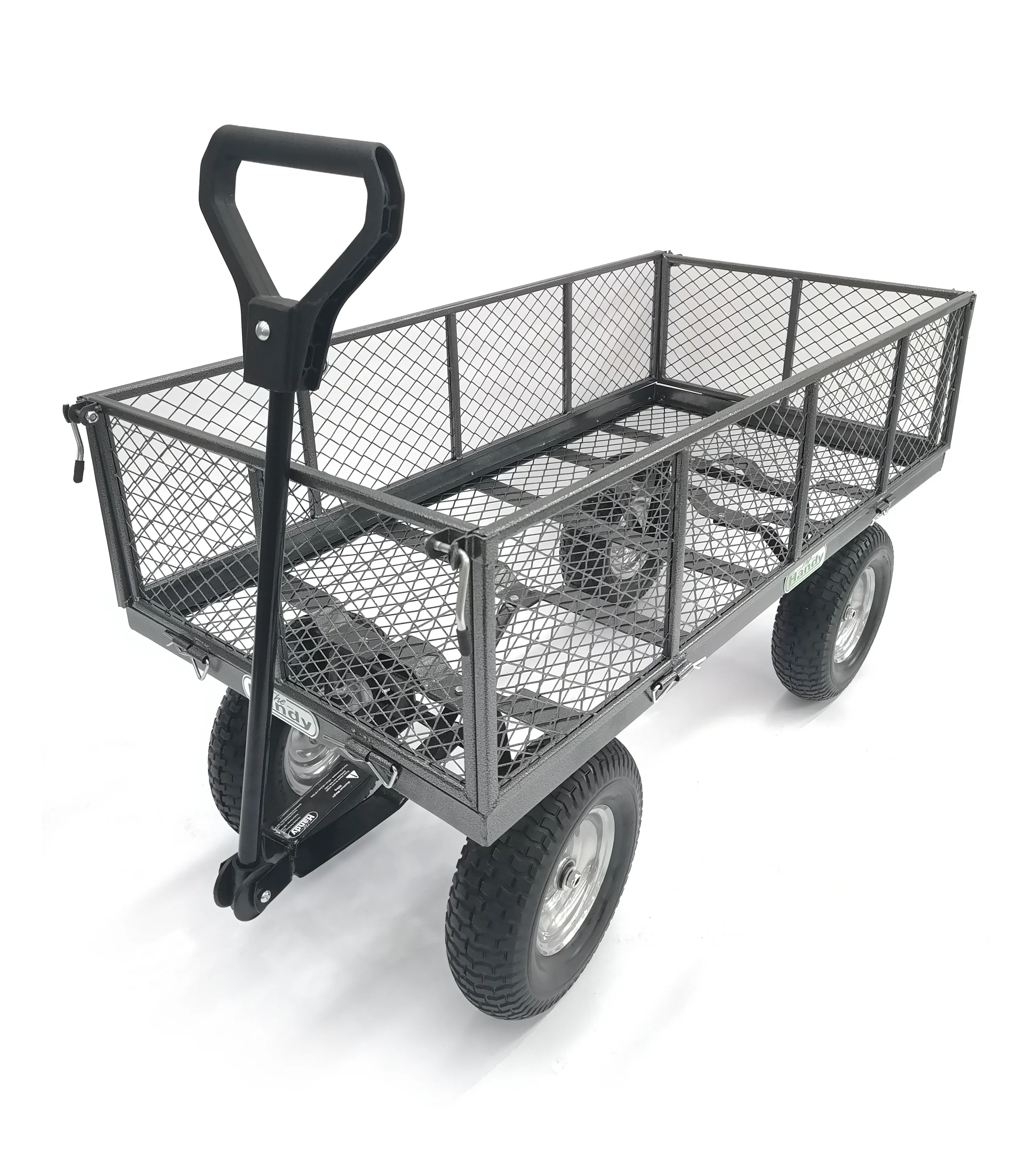
- Shift heavy pots with a sack truck or trolley, not your back.
In this guide
- When do you need to protect plants from frost in the UK?
- How do you protect potted plants in winter?
- Which plants need frost protection?
- How to protect your outdoor plants from frost: step by step
- Fleece, bubble wrap or hessian: which works best?
- Should you hire or buy the kit?
- What health and safety points should you consider?
- How long does it take to winterise your garden?
- Planting winter containers that can handle the cold
- Download your frost protection checklist
- What our customers say
- FAQs
Why do you need to protect plants from frost?
One hard frost can kill tender plants and set hardy ones back by a season. Replacing them costs a lot more than a roll of fleece. A little protection now saves you time and money in the spring.
- Save your plants: mature shrubs and favourite perennials can take years to grow back.
- Save your pots: frozen, waterlogged compost can crack containers, so you could lose the pot as well as the plant.
- Get a head start: healthy plants bounce back faster in spring.
When do you need to protect plants from frost in the UK?
Put your protection in place at the first frost warning, which the RHS says usually lands between September and November. Keep it handy until the last frosts pass in spring.
Timing is half the battle when it comes to how to protect your outdoor plants from frost. It’s important to know what the Met Office forecast means when they talk about frost:
- Air frost: the air temperature drops to freezing or below, measured at least one metre above the ground.
- Ground frost: ice forms on surfaces that are below freezing. It can happen without an air frost, so pots and low plants get caught out.
In spring, the RHS says tender plants can go back out from early May in London and the south west, late May for much of England and Wales, and June in Scotland.
How do you protect potted plants in winter?
Protect potted plants in winter by raising, grouping, wrapping and sheltering them. Pot roots only have a thin wall between them and the cold, so they freeze much faster than roots in the ground.
That’s why knowing how to protect plants from frost in containers matters. Two things go wrong:
- Frozen root ball: frozen compost means roots can’t take up water, so evergreens can dry out in the middle of a wet winter.
- Cracked pots: wet compost and porous terracotta expand as they freeze, which can split a pot.
Plastic pots rarely crack but barely insulate. Lovely to carry, rubbish at keeping roots warm.
Which plants need frost protection?
Tender, half-hardy, young and potted plants need the most help. You can check the plants label for its RHS hardiness rating.
The RHS hardiness ratings show the lowest winter temperature a plant should cope with:
- H3 (half hardy): copes with minimum temperatures of 1°C to -5°C. Needs protection in most UK winters.
- H4 (hardy, average winter): copes with -5°C to -10°C. Fine in the ground, but more vulnerable in pots.
- H5 (hardy, cold winter): copes with -10°C to -15°C. Usually fine, though young plants like some cover.
How to protect your outdoor plants from frost: step by step
You can protect plants from frost by work from the roots up: drain the soil, mulch, move or shelter plants, wrap pots and stems, then cover on the coldest nights. You’ll find you won’t have to spend much because most of the steps use things you already have.
Here’s how we’d tackle it, in order.
- Check the forecast and audit your pots. Sort plants into hardy, half hardy and tender. Tender ones go into a greenhouse, porch or shed.
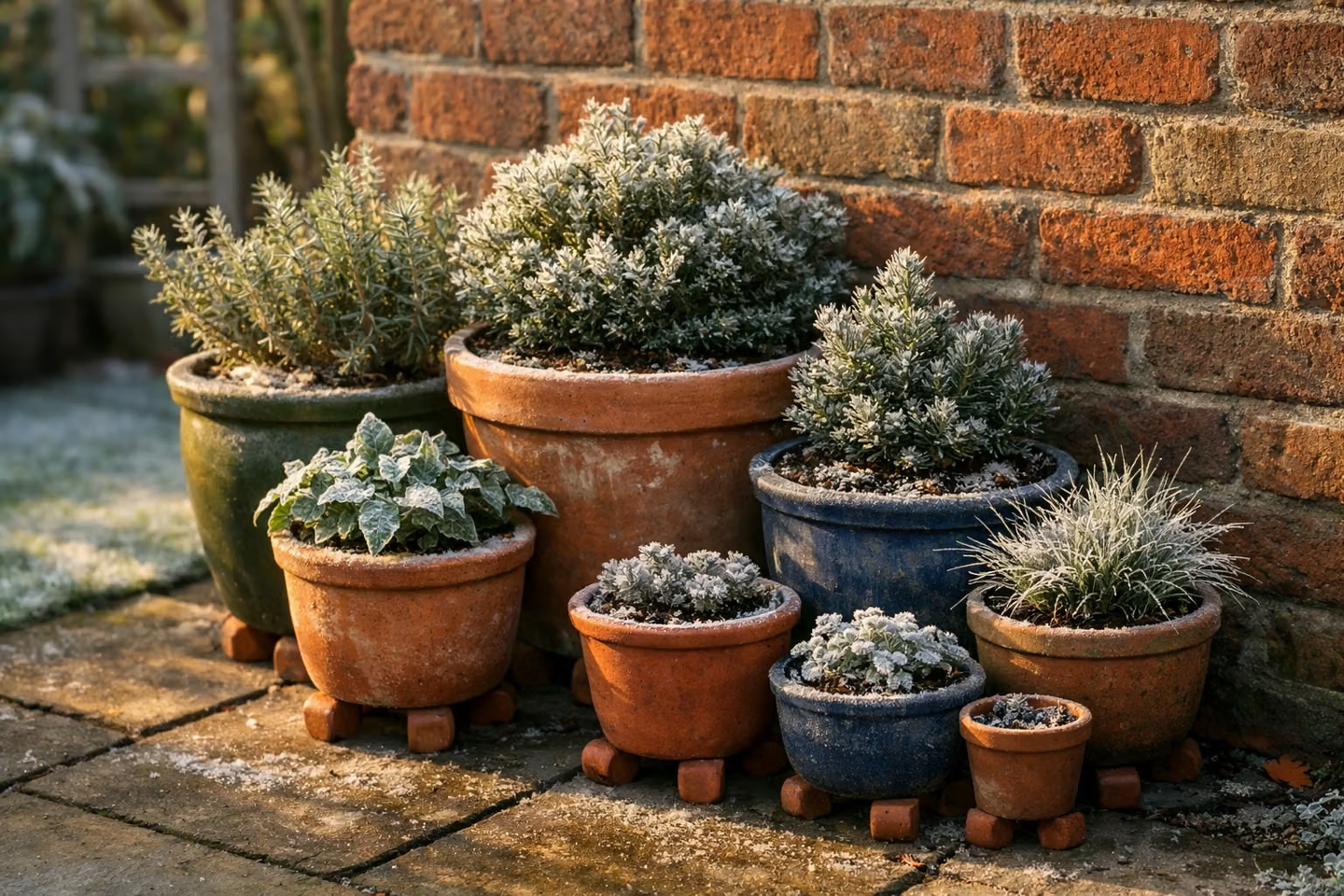
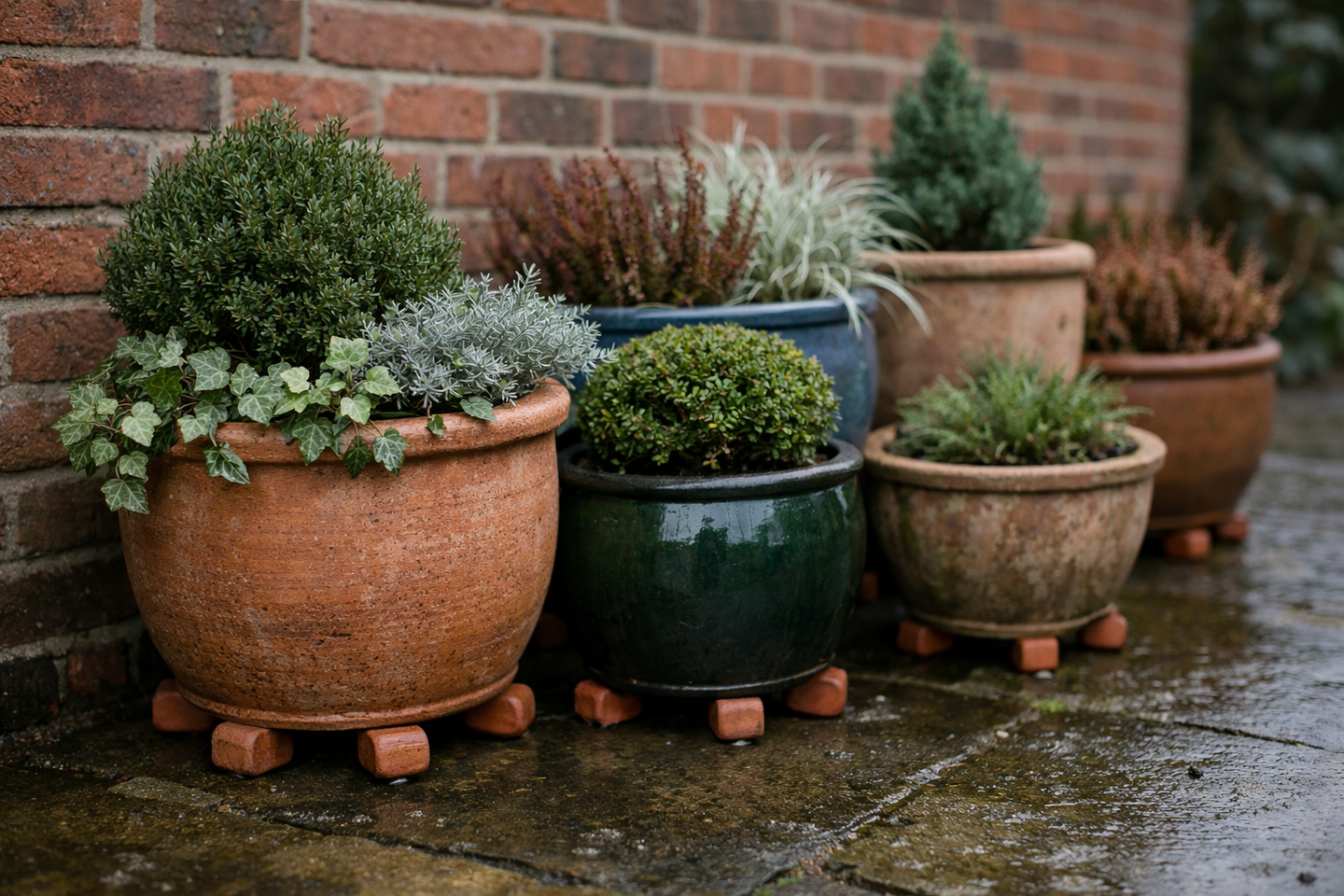
- Raise pots off the ground. Stand containers on pot feet or bricks so water drains away. Waterlogged compost freezes harder.
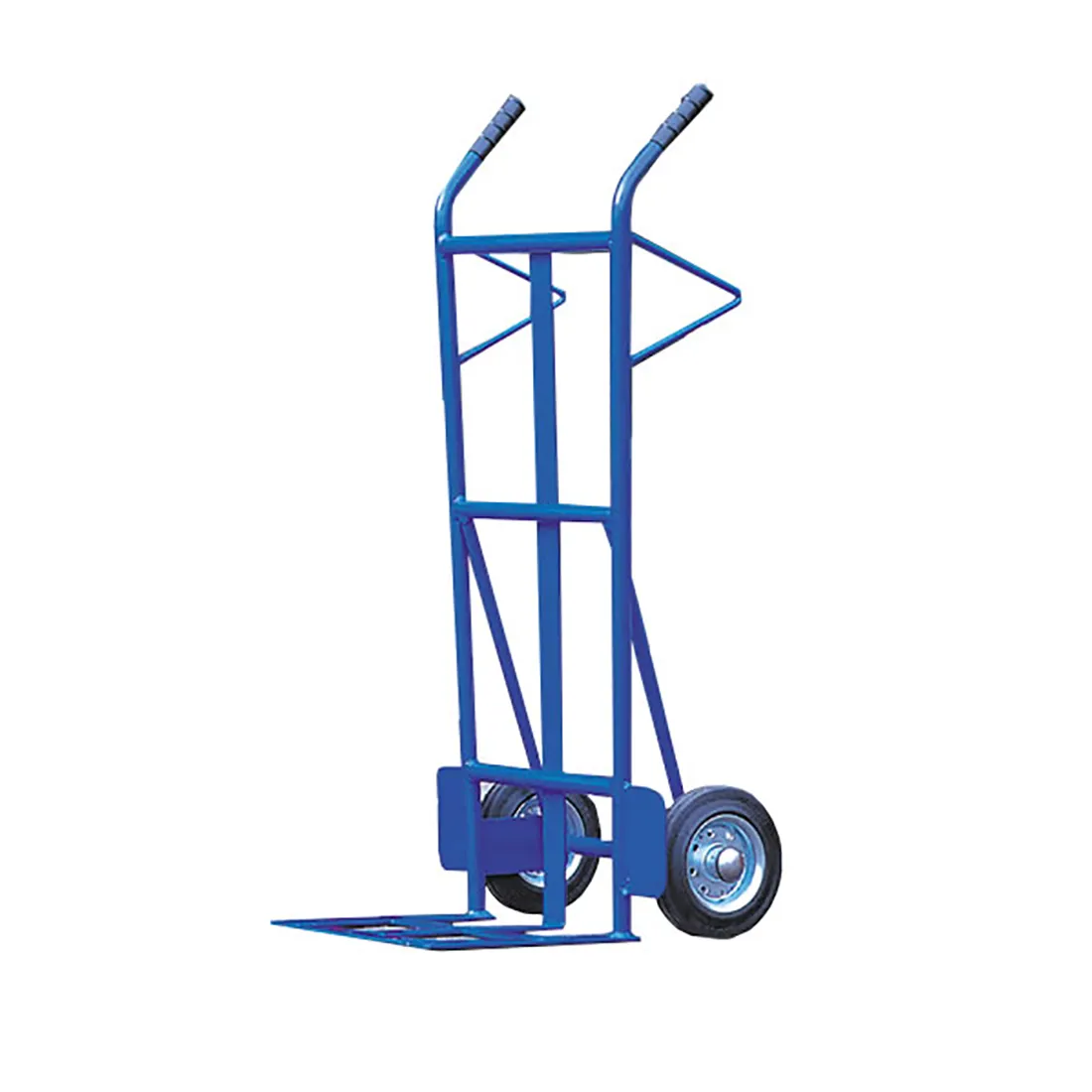
- Move and group containers. Cluster pots against a south or west-facing house wall, where the RHS says grouping gives mutual protection. Keep camellias out of early morning sun, as fast thawing damages buds. A sack truck makes this a five-minute job.
- Wrap the pots. Wrap bubble wrap or straw around each pot and tie it with twine. Add hessian on top if you’d rather it didn’t look like a parcel. Keep drainage holes clear.
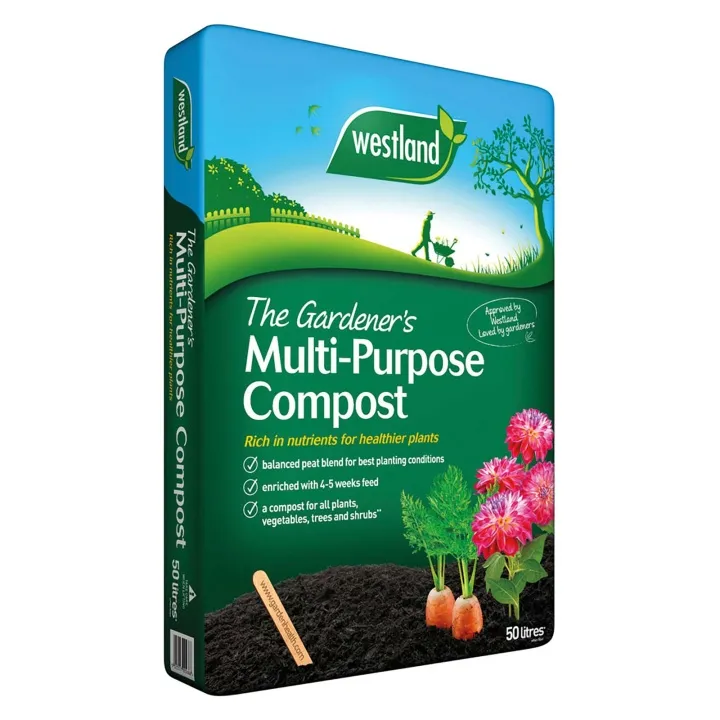
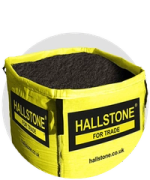
- Mulch beds and borders. A thick layer of organic mulch over the roots of evergreens and tender shrubs stops the ground freezing hard. A Hallstone Bark Mulch Bulk Bag covers about 10m² at 50mm deep.
- Cover plants to protect from frost. On frosty nights, drape a double layer of fleece over tender plants and peg the edges. Skip unpierced polythene, which traps moisture and overheats plants on sunny days.
- Check in through winter. Shake heavy snow off shrubs before branches snap, and lift covers in long mild spells.
Fleece, bubble wrap or hessian: which works best?
Fleece covers plants, bubble wrap insulates pots and hessian makes a tidy outer layer.
This table compares the most common ways of protecting plants against frost.
Should you hire or buy the kit?
Hire the heavy kit you’ll use once a season and buy the materials. It saves money and shed space.
This table compares hiring with buying for this project. Prices are correct at the time of writing (November 2026) and may change.
Traders looking after several gardens can hire per job and buy consumables in bulk. Browse the full garden and landscaping range or our garden equipment hire.
What health and safety points should you consider?
The big risks are back strain from heavy pots and slipping on icy paths.
- Lift smart: a big pot of wet compost weighs far more than it looks. Use a sack truck and follow the HSE manual handling guidance.
- Grip your paths: frosty patios are lethal first thing. Spread brown rock salt and keep a snow shovel handy, both in our groundwork and landscaping range.
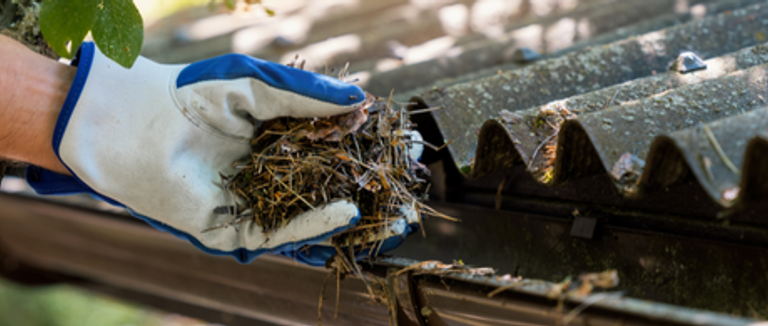
- Wear gloves: cold hands drop things. Browse our gloves range.
- No naked flames: keep candles and heaters well away from fleece and straw.
- Don’t forget the taps: outside taps can burst in a hard frost. See our guide to protecting your home from freezing weather.
How long does it take to winterise your garden?
An average garden takes one person half a day (4 hours) to winterise their garden.
Searching how to winterise garden pots? Here’s a realistic timeline:
- 30 minutes: check the forecast and sort your plants by hardiness.
- 60 minutes: raise, move and group your pots.
- 60 minutes: wrap pots in bubble wrap, straw or hessian.
- 45 minutes: mulch beds and borders.
- 30 minutes: cut fleece to size and keep it ready with pegs.
- 15 minutes: tidy up and grit your paths.
Planting winter containers that can handle the cold
Choose tough plants, frost-proof pots with drainage holes and plant before the compost freezes.
Planting winter containers is the cheerful side of this job. Good container winter plants include winter pansies, violas, hardy cyclamen, skimmia, heuchera, hellebores and ivy. A decent trowel and fork from our garden hand tools range makes light work of it.
What should I do if my plants have frost damage?
If you find your plants are damaged by frost, leave it alone until frosts have passed, then prune back to healthy growth. Most plants are tougher than they look.
- Hold off pruning. Wait until no more frost is expected, so you don’t cut in the middle of a cold spell.
- Cut back to healthy growth. Prune to an undamaged sideshoot or bud.
- Feed for regrowth. Top dress with a general-purpose fertiliser at the recommended rate.
- Re-firm lifted plants. Frost can push new shrubs out of the ground, so firm the soil back around them.
- Check tender perennials. Blackened dahlia and canna leaves don’t mean the plant is dead, as the roots are often still alive.
- Be patient. Many plants reshoot from low down, so the RHS suggests waiting until mid-summer before replacing one.
Your frost protection checklist
Need helps staying on track with protecting your outdoor plants and pots? Screenshot or print & tick this checklist on the shed door and tick as you go.
- ☐ Check the 7-day forecast for frost warnings
- ☐ Sort plants into hardy, half hardy and tender
- ☐ Move tender plants into a greenhouse, porch or shed
- ☐ Raise all pots on pot feet or bricks
- ☐ Group containers against a sheltered house wall
- ☐ Wrap pots in bubble wrap or straw, then hessian
- ☐ Mulch beds and borders with a thick layer
- ☐ Cut fleece to size and keep pegs handy
- ☐ Grit paths and steps
- ☐ Insulate outdoor taps
FAQs
What temperature is frost?
Frost forms when surfaces drop to 0°C, the freezing point of water. The Met Office explains that the ground can cool faster than the air, so a ground frost can form even when the air stays just above freezing.
What does frost proof mean on a plant pot?
It’s the maker’s claim that the pot should survive freezing weather. “Frost resistant” is usually a weaker claim, so check the label and any guarantee before buying plant pots to leave out all winter.
How can I protect plants from frost without fleece?
An old bed sheet works overnight in a pinch. Otherwise, move pots into a shed, porch or greenhouse.
Can I use bubble wrap on plants as well as pots?
Stick to pots. Bubble wrap holds moisture against leaves, so use fleece for foliage.
When should I remove frost protection?
Once severe frosts passes and new growth starts, you can remove wrappings in stages, or on a dull day.
Can I leave fleece on all winter?
It’s best not to. The RHS advises removing covers in long mild spells so plants don’t sweat, then replacing them when it turns cold.
Keep your outdoor plants and pots frost free with HSS DIY
And there we have it! Frost doesn’t need to wipe out your favourite plants.
Protect plants against frost in the right order and most will sail through to spring, which is what preventing winter damage is all about. Half a day’s work now means healthy plants in spring, not a sad pile of mush and terracotta shards. Not a bad trade for a Saturday morning and a cuppa.
Got bigger garden plans? We’ve got the kit and materials you need to make your vision come to life. Buy garden essentials and hire the heavy kit online 24/7 with HSS DIY in one order with next day delivery. If you have multiple items in your order, they may arrive separately.
Buy the materials. Hire the tools. One order. All in one place.
Get DIY Happy with HSS DIY: The Home of Great Projects.
Ready to get your garden winter-ready?
Meet the people behind our Tips & Advice
From quick fixes to bigger DIY projects, get to know the people behind the guides helping you get the job done with confidence.