




































⏱ Read time: 6 min | 🌿 Difficulty: Beginner to intermediate | ⏰ Time: 6-7hrs (full list)| 👷👷 1 or 2 people recommended
September is the most useful month in the gardening year, and almost nobody treats it that way. The soil is still warm, the rain has come back, and anything you plant or repair now has two months of growing weather to settle in before the cold arrives. Leave the same jobs until November and you are working against the season instead of with it.
Here is what is worth doing, roughly in order of how much difference it makes.
If you only do one thing this month: scarify and aerate the lawn. It is the job that transforms a tired lawn, and the window closes as soon as the ground turns cold.
1. Scarify and aerate the lawn
🌿 Difficulty: Intermediate | ⏰ Time: 2-3hrs (for an average lawn)| 👷 1 person recommended
A summer of sunbathing, football and barbecues leaves a lawn compacted underfoot and choked with a mat of dead grass and moss just above the soil. That mat is called thatch, and once it builds up, water and feed stop reaching the roots.
Scarifying rips the thatch out whilst aerating punches holes through the compaction so air, water and nutrients get down to the root zone. While the soil is still warm enough for the grass to recover, get these jobs done, and you get a thicker, greener lawn next spring for no extra work.
Two things to know before you start:
- Timing shifts with geography. The RHS puts September as the month to scarify & aerate for Scotland and northern England. Further south, give it another couple of weeks — you want soil that is damp and still warm, not baked hard.
- It will look worse before it looks better. Scarifying pulls out a genuinely alarming amount of dead material. That is the job working, not you breaking your lawn.
After aerating, brush a sand and soil top dressing into the holes to keep them open. If you have used a hollow tine aerator, which lifts out plugs of soil rather than just spiking it, the dressing matters even more.
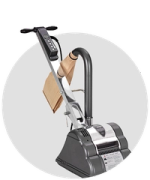
This is the one September job you almost certainly cannot do by hand across a whole lawn. A powered scarifier will do in an hour what a spring-tine rake will do to your back in an afternoon.
2. Feed the lawn, and raise the mower
🌿 Difficulty: Beginner | ⏰ Time: 45 minutes| 👷1 person recommended
Lawn growth is slowing, so the priorities to keep it growing & healthy have changed. It is no longer trying to grow upwards; it is trying to build roots and toughen up for winter. Feed it accordingly.
Use an autumn feed, not the bag left over from June. This is the single most common September mistake. Summer feeds are high in nitrogen, which pushes out soft, sappy top growth — exactly the wrong thing going into cold, wet, disease-friendly weather. An autumn feed is richer in potassium and phosphorus, which encourage hardiness and root growth instead. Check the bag before you spread it. If nitrogen is the dominant number, save it for spring.
While you have the feed and seed out, September is also the best month of the year to overseed thin or bare patches. Sow onto prepared ground after rain, while the soil is damp, and the new grass has all autumn to establish.
Then raise your lawnmower blades. Around 4cm is a sensible autumn height. Longer grass holds more of its own reserves, copes better with frost and foot traffic, and shades the soil surface, which gives moss less of an opening. Keep mowing while the grass is still growing — just less often, and never when the lawn is soaking.
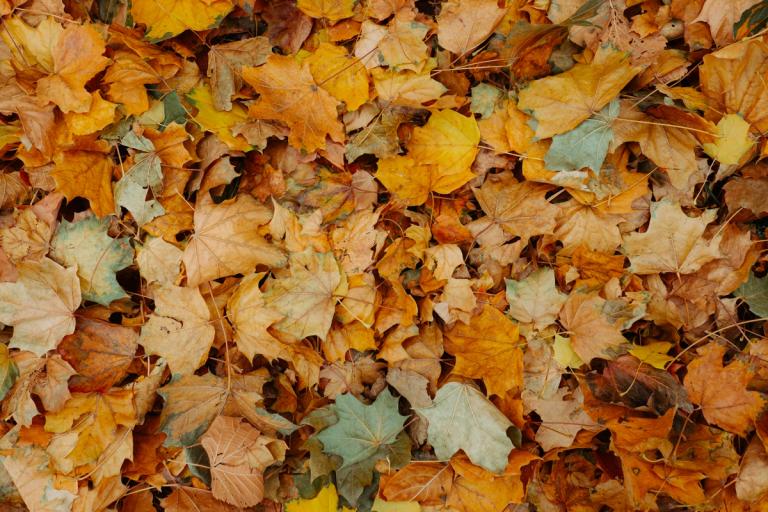
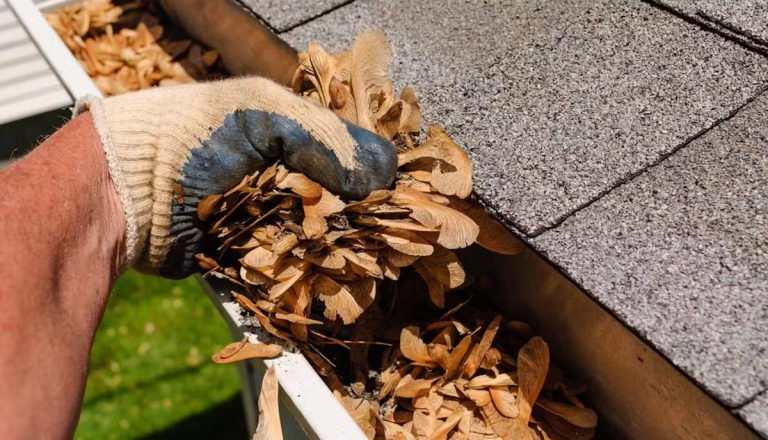
3. Clear the leaves before they mat down
🌿 Beginner | ⏰ 20–30 mins a pass, weekly until December | 👷 1 person
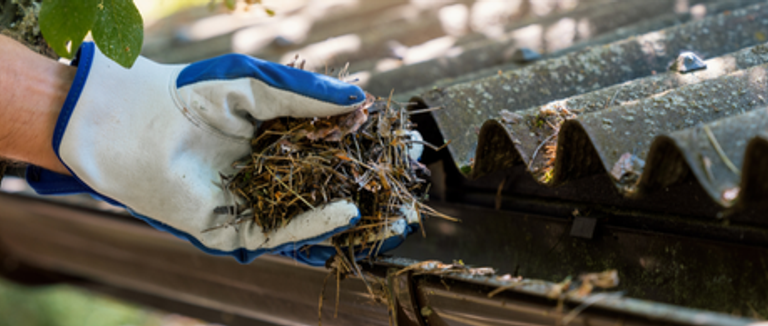
A scattering of leaves on a lawn is harmless. A wet, flattened layer left for a fortnight blocks light and air, and the grass underneath goes yellow and thin.
You have three options, and the right one depends on the size of the job:
• A rake is fine for a small lawn and a border or two. Long handle, spring tines, twenty minutes.
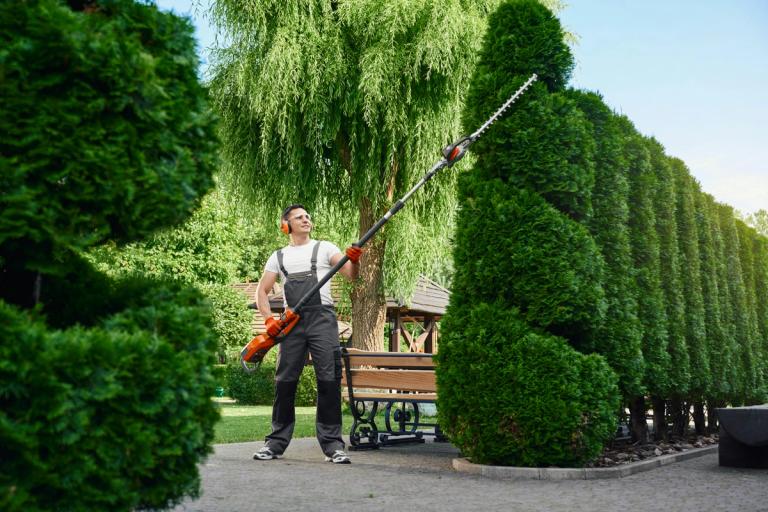
• A leaf blower earns its keep on anything much bigger than a small back garden, and on gravel, decking and paths where a rake just catches and scatters.
• Your mower, with the collection box on and the blades high, will pick up leaves and shred them at the same time. This is the trick most people miss — shredded leaves rot down far faster than whole ones.
Do it little and often rather than once in a heroic sweep. Leaves keep falling until December.
4. Start a leaf mould heap — and keep it separate from the compost
🌿 Beginner | ⏰ 20 mins to set up | 👷 1 person
It’s worth being clear about this, because the two get muddled constantly:
Leaves on their own do not make compost. They make leaf mould.
Pile them in their own bin, or punch a few holes in a bin bag, dampen them and leave them alone. It takes a year or two, and you end up with a crumbly, dark soil conditioner that is excellent as mulch and for improving soil structure. Shredded leaves and softer species like oak and beech break down faster.
Compost needs a mix. Roughly equal parts of green material — grass clippings, fading flowers, hedge trimmings, vegetable peelings — and brown material like cardboard, paper and woody prunings. Turn it occasionally. A compost maker speeds the process up by feeding the bacteria doing the work.
So: leaves in one heap, everything else in the other. Both are free soil improvement, which is the best deal in gardening.
5. Plant spring bulbs — most of them, anyway
🌿 Beginner |⏰ 1–2 hrs | 👷 1 person, quicker with 2
Warm soil and reliable rain makes September ideal for getting bulbs in.
Plant at two to three times the bulb's own height, pointy end up. So a 5cm daffodil bulb wants a 10–15cm hole. Too shallow is the usual error, and it leaves stems flopping in spring.
Start planting daffodils, crocuses, alliums, snowdrops and English bluebells now. Daffodils in particular want to go in early — they root sooner than most.
The RHS gives a September-to-November window, but experienced UK growers generally hold tulips back until late October or November, when the soil has cooled.
Something to be wary about: bulbs rot in waterlogged compost. Make sure the pot has working drainage holes and a layer of grit or crocks in the base before you plant. This is the single most common way container bulbs fail.
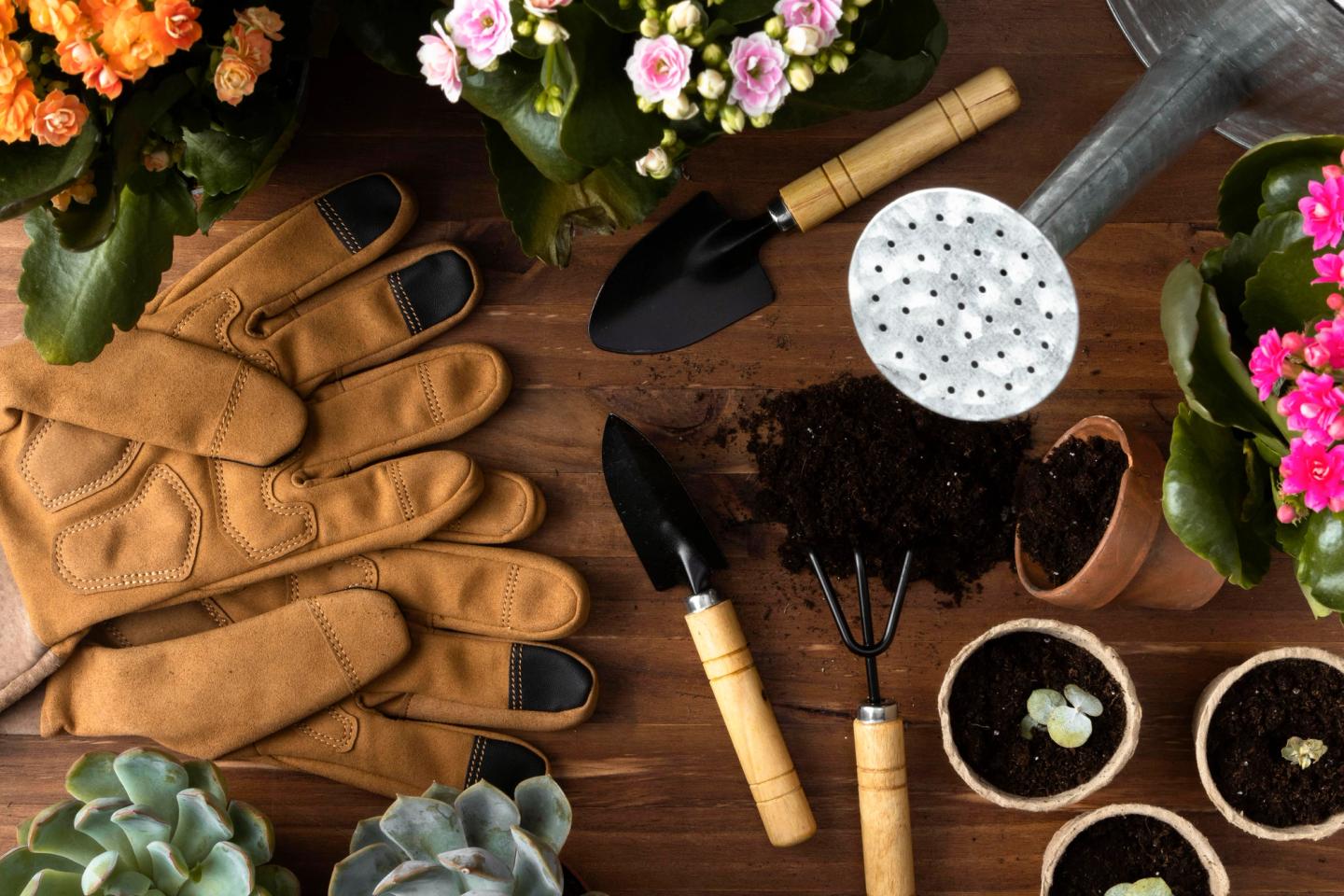
A bulb planter makes light work of planting into a lawn, where a trowel tends to tear the turf. For borders, a trowel, a hand fork and a pair of gardening gloves will cover it.
6. Take the greenhouse shading down
🌿 Beginner · ⏰ 30 mins including washing the glass · 👷 1 person
Whatever you put up in June to stop the greenhouse cooking — shade paint, netting, blinds — now’s the time to take it down.
Light levels are dropping fast, and anything overwintering in there needs every hour it can get.
While you are in there, it’ll be worth washing the glass inside and out. Grimy panes cut light transmission noticeably, and it’s a far more pleasant job in September than in a freezing greenhouse in January.
7. Net the pond
🌿 Beginner · ⏰ 30 mins · 👷 2 people — one each side of the net
Leaves in a pond don’t just look untidy. As they rot they use up oxygen and release gases that are genuinely harmful to fish over a closed-over winter.
Stretch a net across the surface now, before the bulk of the leaves come down, and secure the edges properly so nothing can get underneath and become trapped. Scoop off what collects on top every week or so. It takes a minute and saves dredging out a sludge of half-rotted leaves next March.
Your September checklist
Here’s a list you can screenshot or print to help you keep on track with your September gardening jobs.
☐ Scarify and aerate the lawn
☐ Apply an autumn feed — potassium and phosphorus, not nitrogen
☐ Overseed bare patches while the soil is damp and warm
☐ Raise the mower to around 4cm
☐ Clear leaves little and often
☐ Start a leaf mould heap, separate from the compost
☐ Plant daffodils, crocuses, alliums and bluebells; hold the tulips
☐ Take down greenhouse shading and wash the glass
☐ Net the pond
Not a bad list for one month, and every job on it makes next spring easier rather than just tidying up after this one.
Get your garden autumn ready with HSS DIY
Everything you need is at HSS DIY — browse the full garden and landscaping range, or hire the heavier kit for a weekend and give it back on Monday.
Not sure which tool you need? Our live chat team and customer support will point you at the right one.