


















For those of us who have a lawn, making sure it's healthy, lush & green is important for every homeowner.
However, maintaining a healthy lawn needs more than just regular mowing and watering.
One important step in lawn care that often gets overlooked is scarification.
Want to learn more about how to scarify a lawn? Stick with us, we've got all the info.
What is scarification?
Scarification is the process of removing thatch and moss build up from your lawn.
Thatch is a layer of dead grass, roots and debris that builds up between the soil and the healthy turf.
Moss build up can quickly take over your lawn if not dealt with promptly.
Why is scarifying important?
Thatch and moss may seem harmless to your lawn, but they can actually stop your lawn getting air, water and nutrients from reaching the roots.
This can lead to your lawn becoming weak and unhealthy, making it more susceptible to diseases and pests.
Scarifying your lawn not only removes these unwanted layers but also promotes better airflow and stimulates new growth.

How do I scarify my lawn
Choose the right time
The best time to scarify your lawn is usually in early spring or autumn. Avoid doing it during extreme weather conditions.
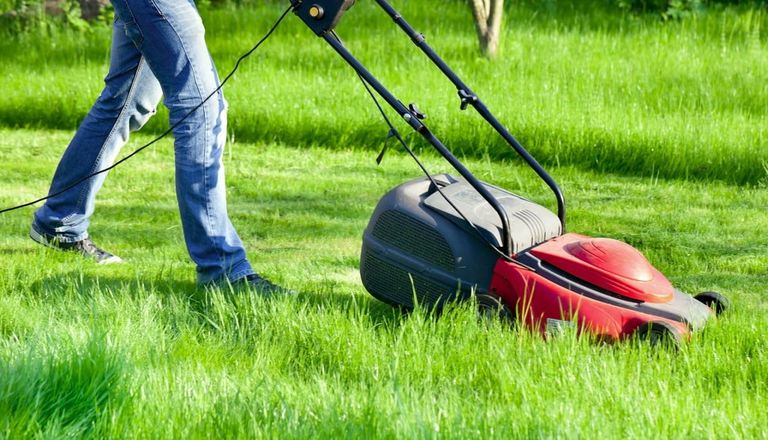
Mow your lawn
Before scarifying, mow your lawn to about half its usual height. This will make it easier to see and remove the thatch and moss.
Prepare your tools
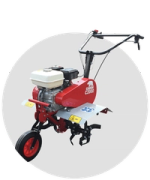
There are two types of scarifiers - manual and powered.
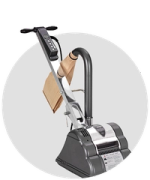
Manual scarifiers, also known as rake scarifiers, are suitable for smaller lawns while powered scarifiers, such as electric or petrol models, are more efficient for larger areas.
Whichever type you choose, make sure the blades are sharp and the machine is in good working condition.
Scarify in different directions
Start by scarifying your lawn in one direction, then go over it again in another.
For example, if you go up and down to begin with, go across the next time.
This will ensure that all areas are thoroughly scarified and helps to prevent any missed spots.
Remove debris
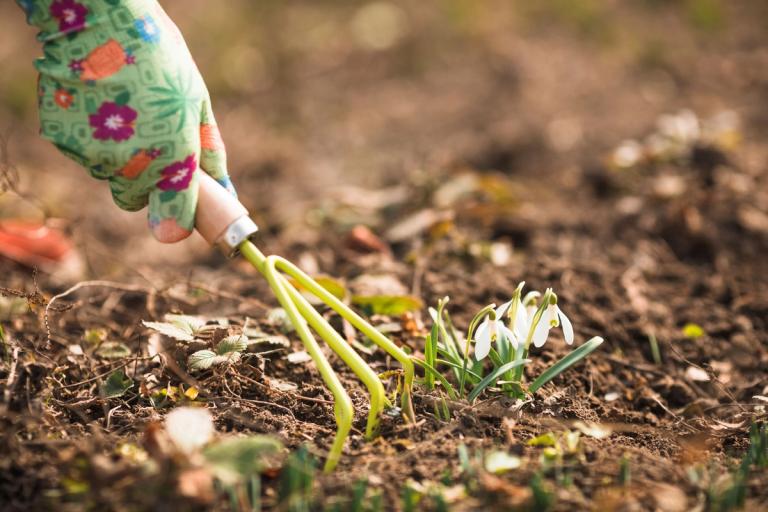
Once you're done, rake up all the debris.
This is also a good time to aerate your lawn by with an aerator or by poking holes in the soil with a garden fork.
Feed and water your lawn
After scarifying, your lawn may look a bit bare and patchy.
Don't worry, this is normal.
To help it recover quickly, feed it with a high-quality fertiliser and water it deeply.
Repeat the process
Depending on how much thatch and moss build up your lawn has, you may need to scarify every 1-2 times a year.
Regular scarifying will keep your lawn healthy and looking its best.
But as a general rule, you can scarify your lawn once a year - either in the spring or autumn.
Keep your lawn healthy with HSS DIY
We hope this blog has been helpful and you can go away confidently understanding how to scarify your lawn.
Scarifying is important for your lawn's health, removing any thatch & moss that builds up over time.
Making sure you do the scarifying process at the right time of year and following the simple instructions above, you'll easily get your lawn healthy in no time.
Hire a lawn scarifiers from us today well as other lawn care products such as lawn seed and fertiliser.
If you need any help buying or hiring one of our lawn scarifiers or require any extra information, get in touch with our online live chat team who are happy to help.