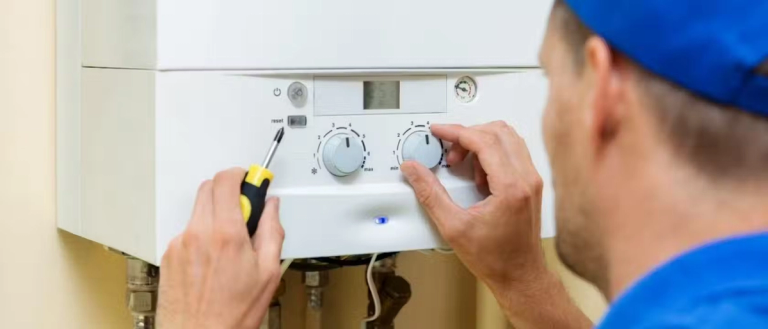
















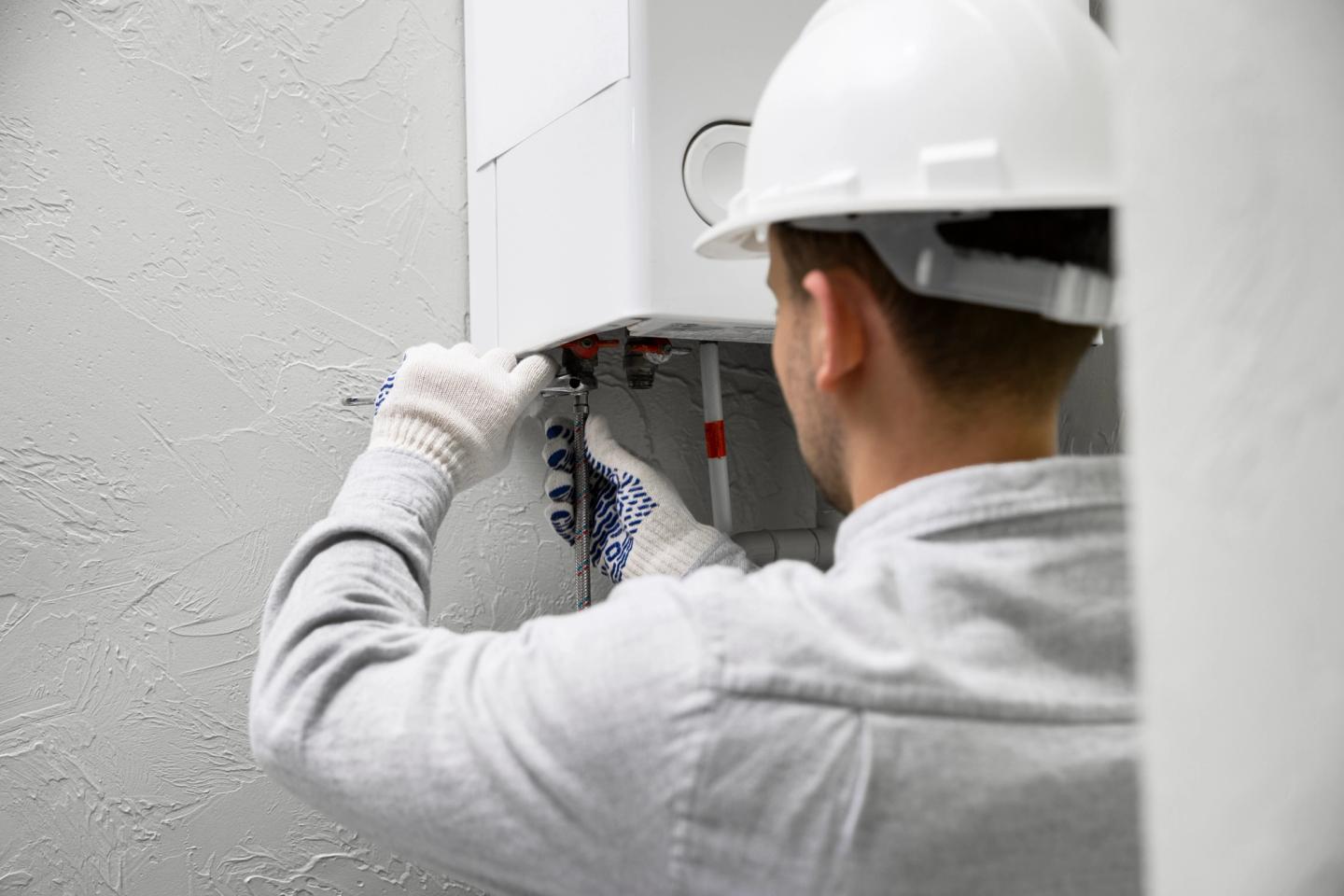
Annual energy costs mainly arise from heating and hot water, so an efficient boiler is essential. Modern condensing boilers outperform older models, as they capture and reuse more heat that would otherwise escape through the flue.
A new boiler is an investment that will last for an average of 10 to 15 years, so it’s more than a mere purchase (Source: Worcester Bosch, 2024).
Before diving in, let's explore the most important aspects to consider when choosing a new boiler.
Types of Boilers
The three main boiler types depend on the bathrooms count, budget, and lifestyle. Here they are:
Standard boiler
Ideal for: Older houses that still have water tanks.
How it operates: A robust storage tank and cylinder are needed.
The primary advantage is that it functions well with antiquated radiator systems.
Boiler system
Ideal for: Households with several bathrooms.
How it operates: Hot water is stored in a cylinder.
The primary advantage is that hot water can be stored and delivered to numerous taps at once.
Combined Boiler
Ideal for: Single-bathroom apartments and small to large homes.
How it operates: It heats water straight from the mains.
The primary advantage is that there is no need for a storage tank saving important space.
Tip: If you use multiple bathrooms simultaneously, avoid a combination boiler, as water pressure may drop.
These days, combination boilers are often the most economical and efficient option for compact houses.
2. Choose the right boiler size (Output Rating).
The boilers are not defined by physical measurements; rather, they are measured by heat output, expressed in kilowatts (kW).
- An inadequately sized boiler will struggle to heat your house.
- A big boiler will waste energy and raise your expenses.
For Boiler power,
- 20-27 kW: One-bedroom apartment with 1 restroom; supports 6 to 10 radiators.
- 28-34 kW: A medium-sized house with two to three bedrooms and around 1 to 2 restrooms, and around 10 to 15 radiators.
- 35-42 kW: This is for a larger house, such as one with four or more bedrooms and more than two bathrooms and can accommodate up to 15+ radiators.
One of the simplest ways to determine size is to count your radiators if you are unsure.
3. Determine the energy efficiency rating.
As with refrigerators and washing machines, modern boilers are graded using ERP labelling. Always pick the boilers rated A or above, since they:
- Conserve fuel
- Lowering your heat expenses.
- Minimise carbon emissions
- Quicker and more reliable heating of water
Depending on the type of boiler system, an A-rated boiler can reduce heating costs by up to 25%. (Source: Bracknell plumbing)
4. Look for smart heating capability.
Various modern boilers work with smart thermostats like Hive, Nest and Tado. With smart controls, you can:
- Only heat the room that you utilise.
- Easily adjust the temperature with your smartphone.
- Create schedules corresponding to your everyday activities.
- Monitor your energy effortlessly.
Heating becomes more individualised and economical as a result, and energy waste is decreased.
5. Consider installation and maintenance costs.
The entire cost includes more than just the boiler’s purchase price. Meanwhile, think about:
- Labour expenses associated with installation
- Removing or relocating your current boiler
- Extra pipes or venting modifications
- Annual maintenance needs
- Warranty duration
Long warranties (7-12 years) are worth paying since they provide peace of mind and safeguard your investment.
6. Consider the local system limits and water pressure.
If your home’s water pressure is low, a combination boiler may underperform in these situations:
- A system boiler or a combination boiler performs better. Or add a booster pump to increase flow.
- Before selecting a boiler type, check the pressure at the incoming main connections.
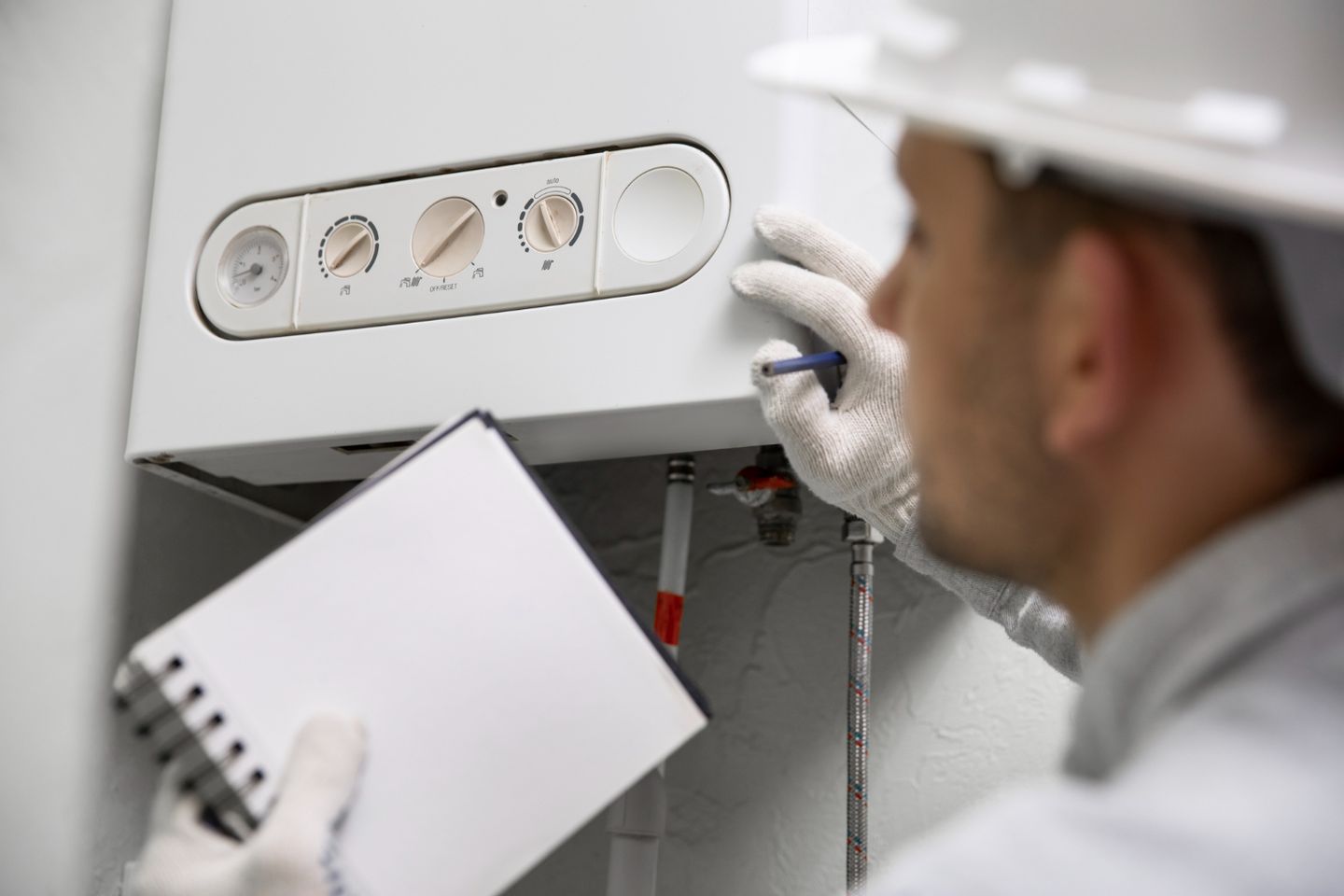
7. Choose a trustworthy and qualified installer.
- A gas safe-qualified engineer must install the boilers.
- By doing this, the installation is guaranteed to be safe, lawful and protected by the warranty.
Warning: Poor installation can lead to higher future costs, even if initially cheap.
Seek out the installers that provide:
- A personal evaluation before a quotation
- Managing and registering warranties
- Provides clear, upfront cost statements.
8. Consider upcoming modifications to heating regulations.
The UK is transitioning into a low-carbon heating system in the next few years.
Choosing a boiler that is:
- Hydrogen-prepared
- Suitable for heat pumps
- Or, for hybrid systems, it may aid in future-proofing your home.
Conclusion:
Eventually, the UK will transition to more renewable and efficient heating solutions.
A well-chosen boiler simply makes life more comfortable, provides warmer rooms, delivers consistent hot water, and lowers expenses year-round.
Meet the people behind our Tips & Advice
From quick fixes to bigger DIY projects, get to know the people behind the guides helping you get the job done with confidence.