

⏱ Read time: 7 min | 🌿 Difficulty: Beginner | ⏰ Time: Half a day (4 hrs) | 👷 1 person
Quick answer: To use a portable space heater safely, place it on a flat, hard floor at least one metre from anything flammable, plug it straight into a wall socket, and never leave it running while you sleep or pop out. Pick one with tip-over and overheat protection, and keep your smoke alarms working.
Key takeaways
- Keep a one metre gap between the heater and curtains, bedding, furniture and clothes.
- Plug straight into the wall. Extension leads and adaptors are the most common cause of overloaded sockets.
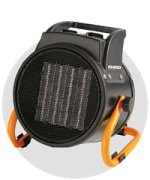
- Oil-filled radiators suit longer, steady warmth. Fan heaters and convector heaters suit quick top-ups.
- At the current price cap, a 2kW heater costs around 53p an hour to run.
- Hiring an oil-filled radiator from HSS DIY costs about £24.00 for an average 14 days, so hire if you only need it for a cold snap.
In this guide
- What are the common types of portable heaters?
- What is a radiant heater, and are halogen and infrared heaters the same?
- Do's and don'ts: how to safely use a portable space heater
- Are convection heaters expensive to run?
- Should you hire or buy a portable heater?
- Safety kit to pair with your heater
- Your 4-step safe set-up timeline
- Frequently asked questions
A portable heater is a lifesaver on a cold day when the central heating is having a day off. Used carelessly, though, it can turn a cosy evening into a call to the fire brigade. Most problems come down to two things: where the heater sits and what it is plugged into. Get those right and you are sorted.
What are the common types of portable heaters?
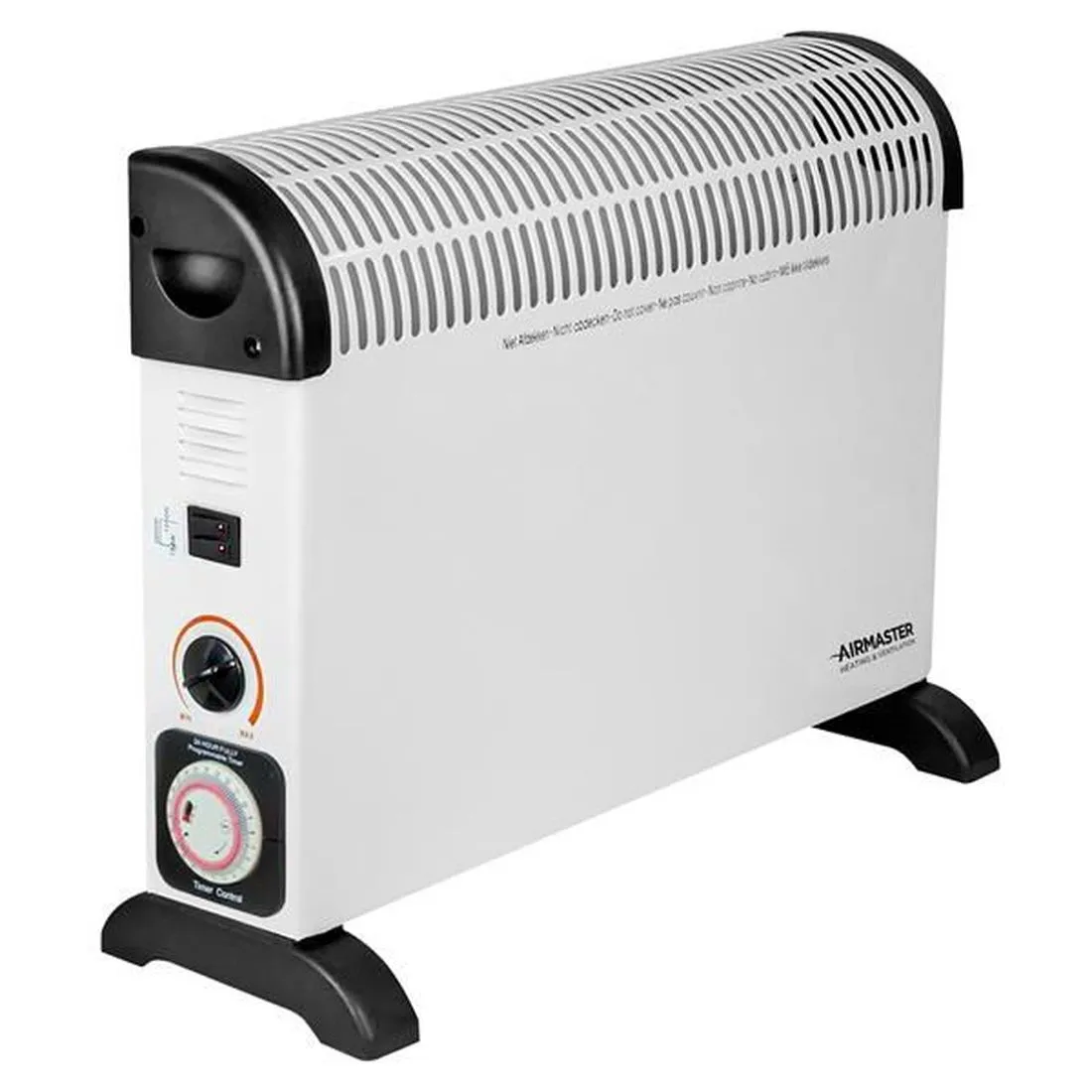
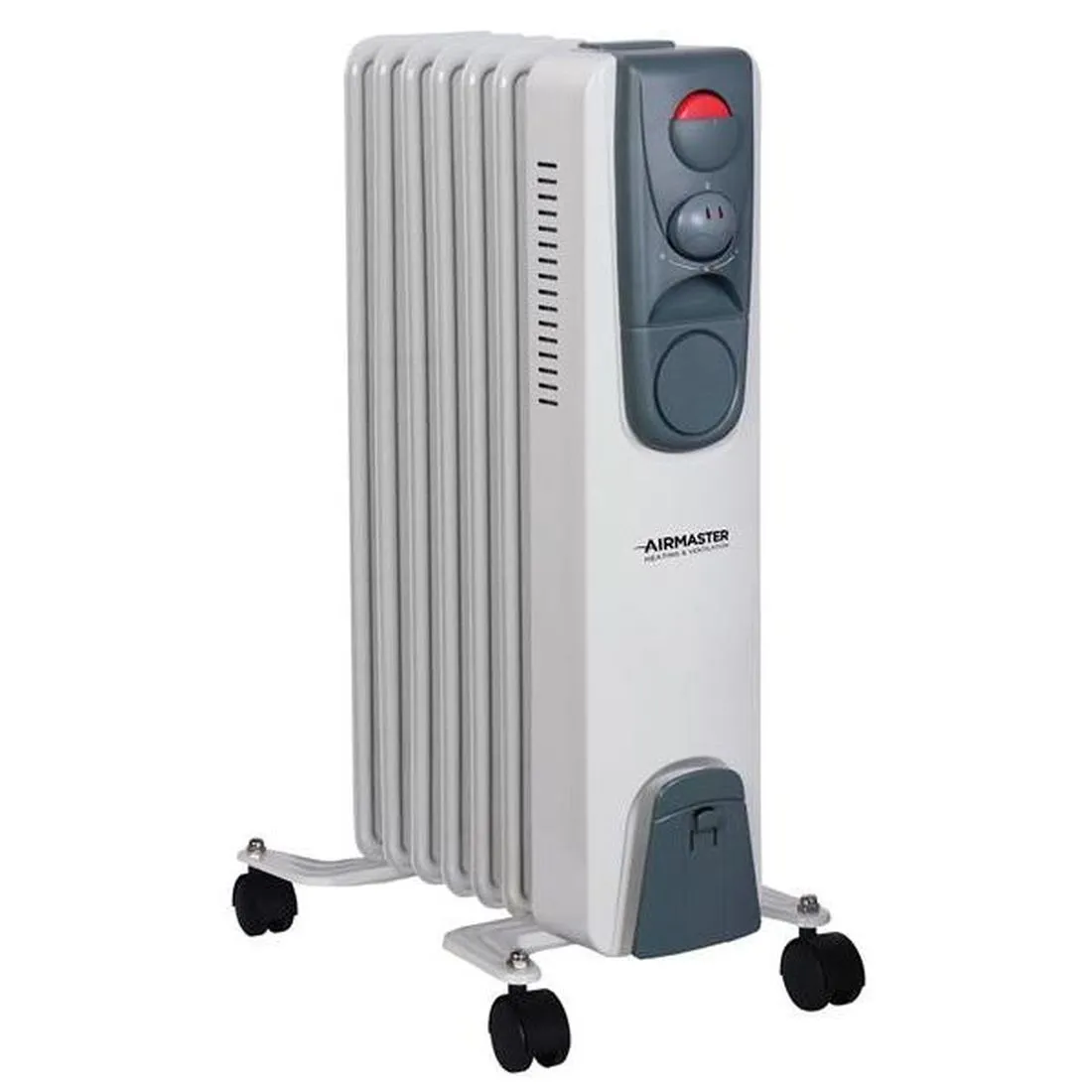
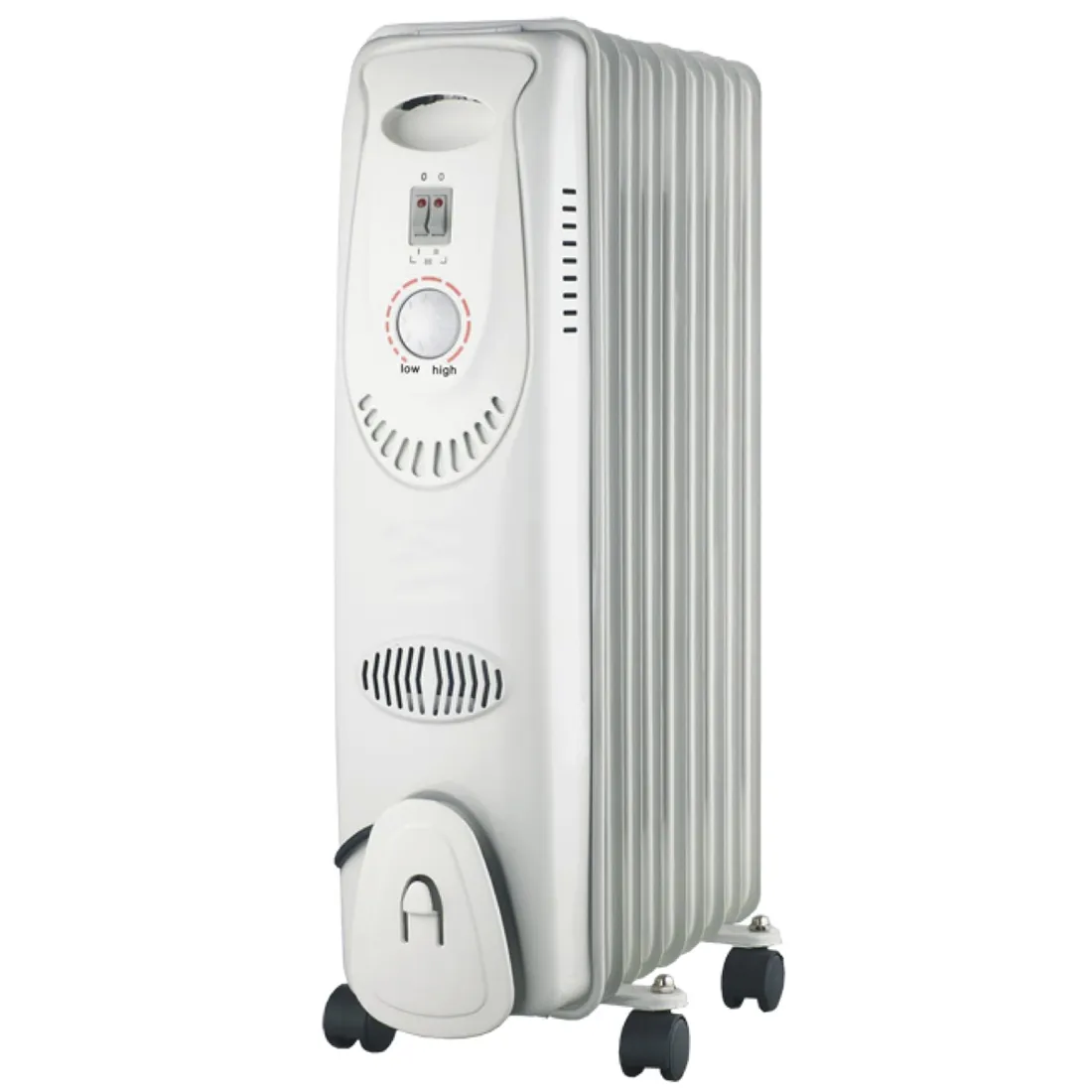
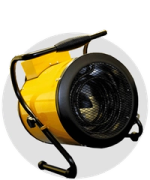
The common types of portable heaters are oil-filled radiators, convector heaters, fan heaters and radiant heaters. Each warms a room differently, which affects how fast it heats, how long the warmth lasts and where it is safest to use.
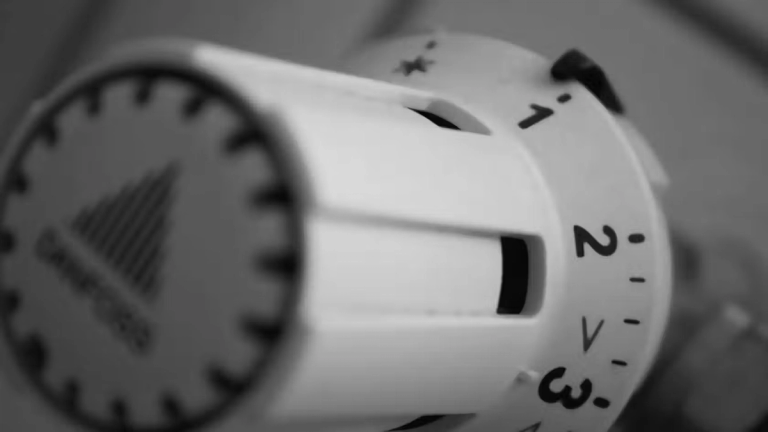
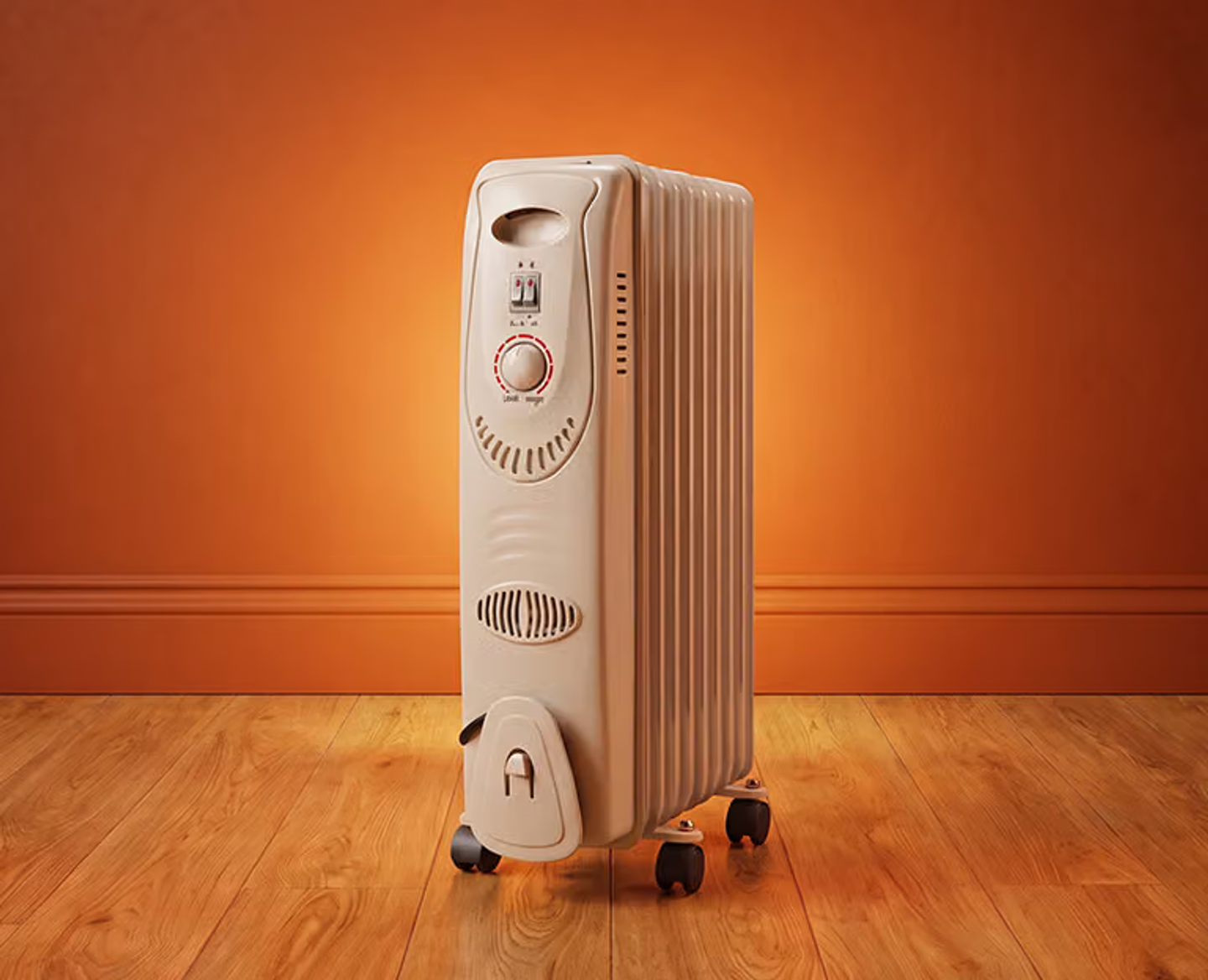
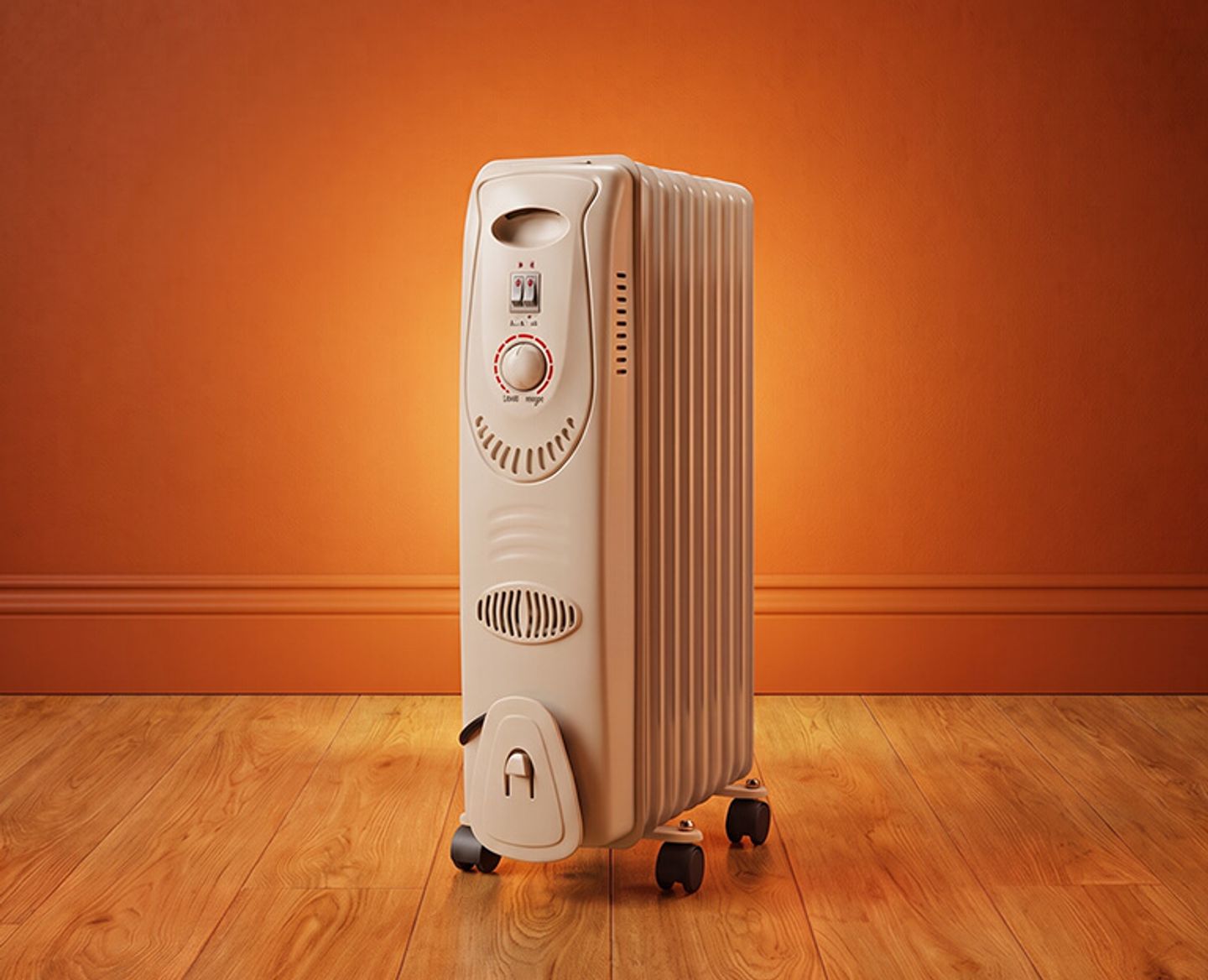
Portable oil space heaters (oil-filled radiators) heat sealed oil, which holds warmth long after the element clicks off. A convection heater, also called a convector heater, draws in cool air, warms it and lets it rise, which gradually lifts the whole room.
This table compares the main types of portable heaters, but please check live product pages for current prices are they are subject to change.
*Prices are correct as of November 2026 and are subject to change. Check live product pages for current pricing.
What is a radiant heater?
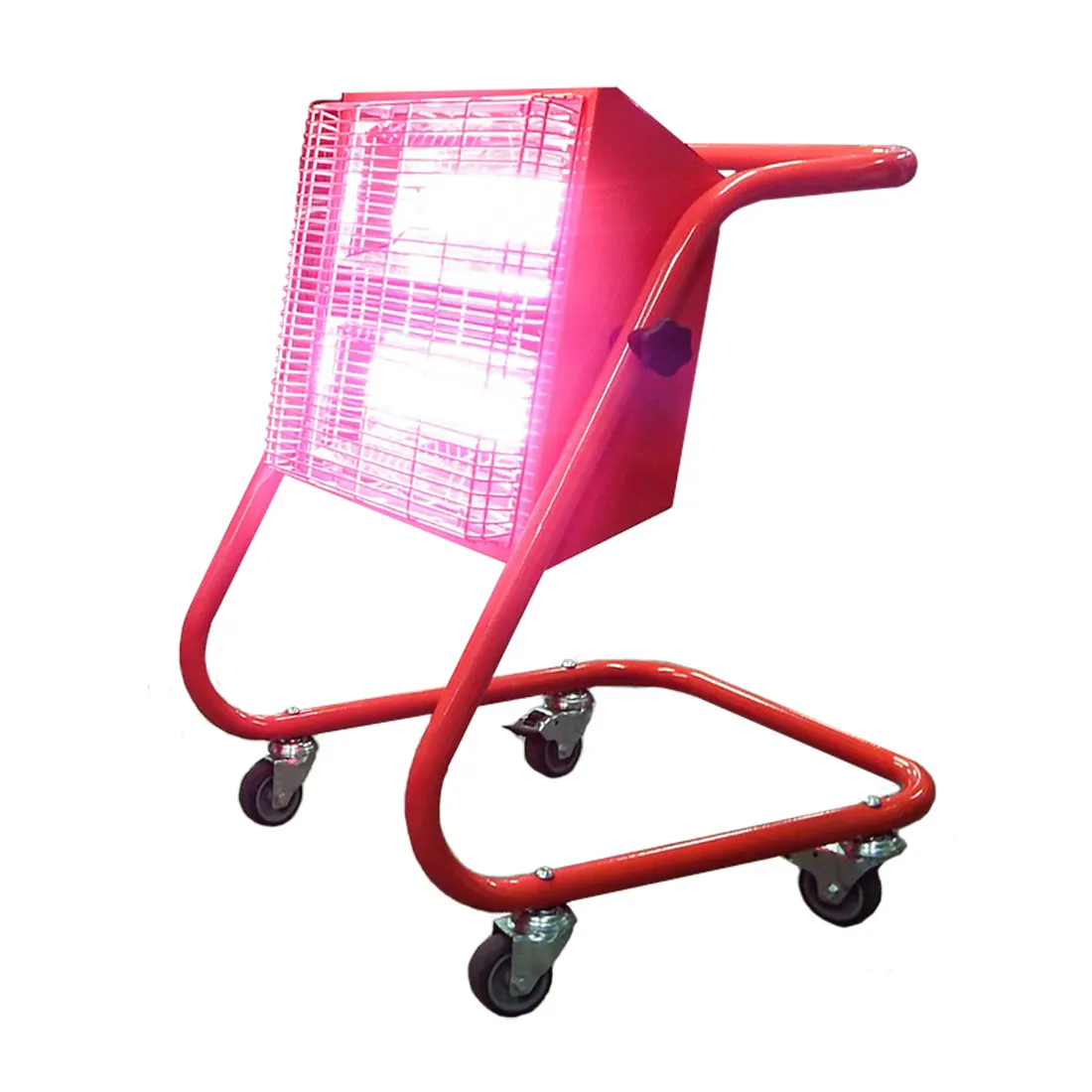
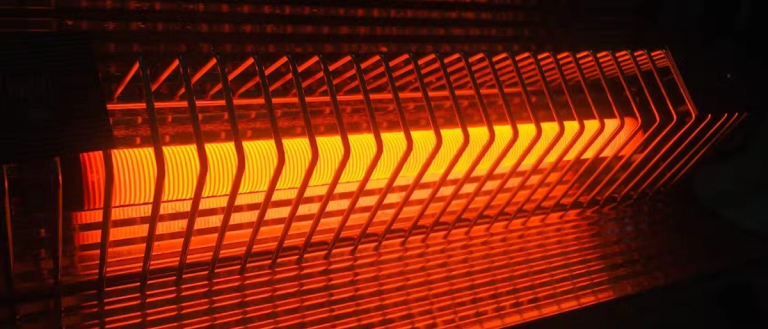
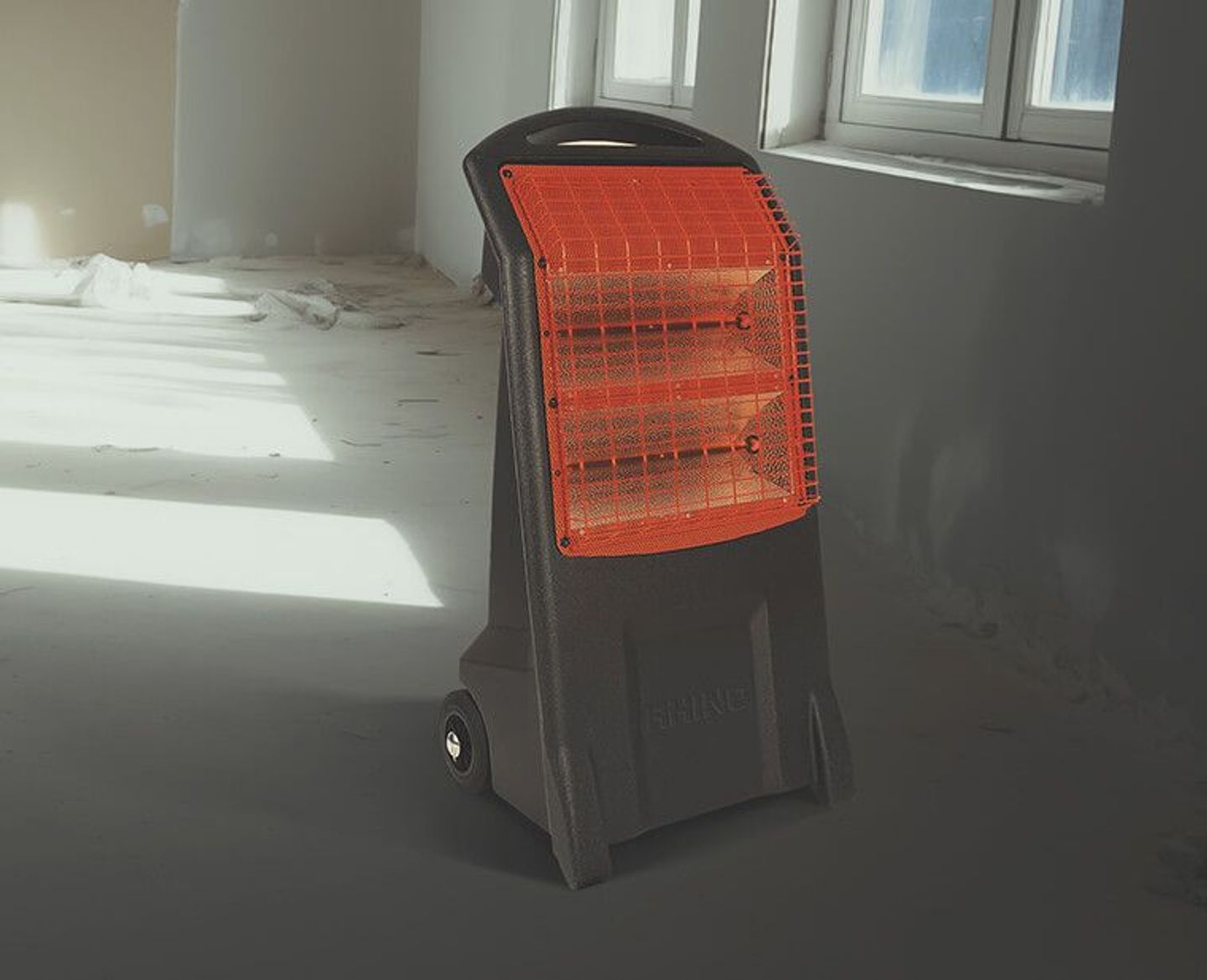
A radiant heater gives off infrared energy that warms people and objects in its path, rather than the air around them. That's why radiant heaters feel warm the moment you switch them on, which suits a chilly garage or shed.
The catch is that they only warm what they face. Step out of the line of the heater and you will feel the difference straight away, so they work best for spot heating rather than heating a whole room. For that, a convector heater or an oil-filled radiator is the better choice. Whatever the label, heaters radiant heat in the same basic way: straight onto whatever is in front of them.
The element also gets very hot, so keep it well clear of anything you would not want toasted.
Are halogen and infrared heaters the same?
Not quite. Halogen is one type of infrared heater, and it uses a glowing halogen tube to produce the heat. Quartz and ceramic models are infrared heaters too, so every halogen heater is an infrared heater, but not every infrared heater is a halogen one.
The differences come down to the heating element and how the heater feels to use. Halogen and quartz heaters glow when they are on, while ceramic models usually have a flat panel instead. Check the product page for the exact element and power before you choose.
Do's and don'ts: how to safely use a portable space heater
The do's and don'ts for using a portable space heater boil down to space, power and supervision. Follow these seven steps in order and you will have covered the lot.
- Check it before you plug it in. Look over the lead, plug and casing for damage. Do not use a heater with a frayed cable or a cracked plug, and check the product has not been recalled.
- Pick a flat, hard floor. Stand it on a level, hard surface so it cannot topple. Carpet is fine if the heater is stable, but never perch it on a table, chair or bed.
- Leave one metre clear. Keep curtains, bedding, sofas and clothing at least one metre away on every side. Do not dry washing on or near it, however tempting on a soggy Tuesday.
- Plug straight into the wall. Use a wall socket on its own. Avoid extension leads and multi-way adaptors, which can overheat when a high-wattage heater draws a heavy current.
- Choose safety features. Look for tip-over protection (it switches off if knocked) and overheat protection. A thermostat and timer help too, as they stop it running flat out all evening.
- Never leave it unattended. Switch it off when you leave the room, go out or go to bed, as London Fire Brigade advises. Do not run it overnight, and keep children and pets from touching hot surfaces.
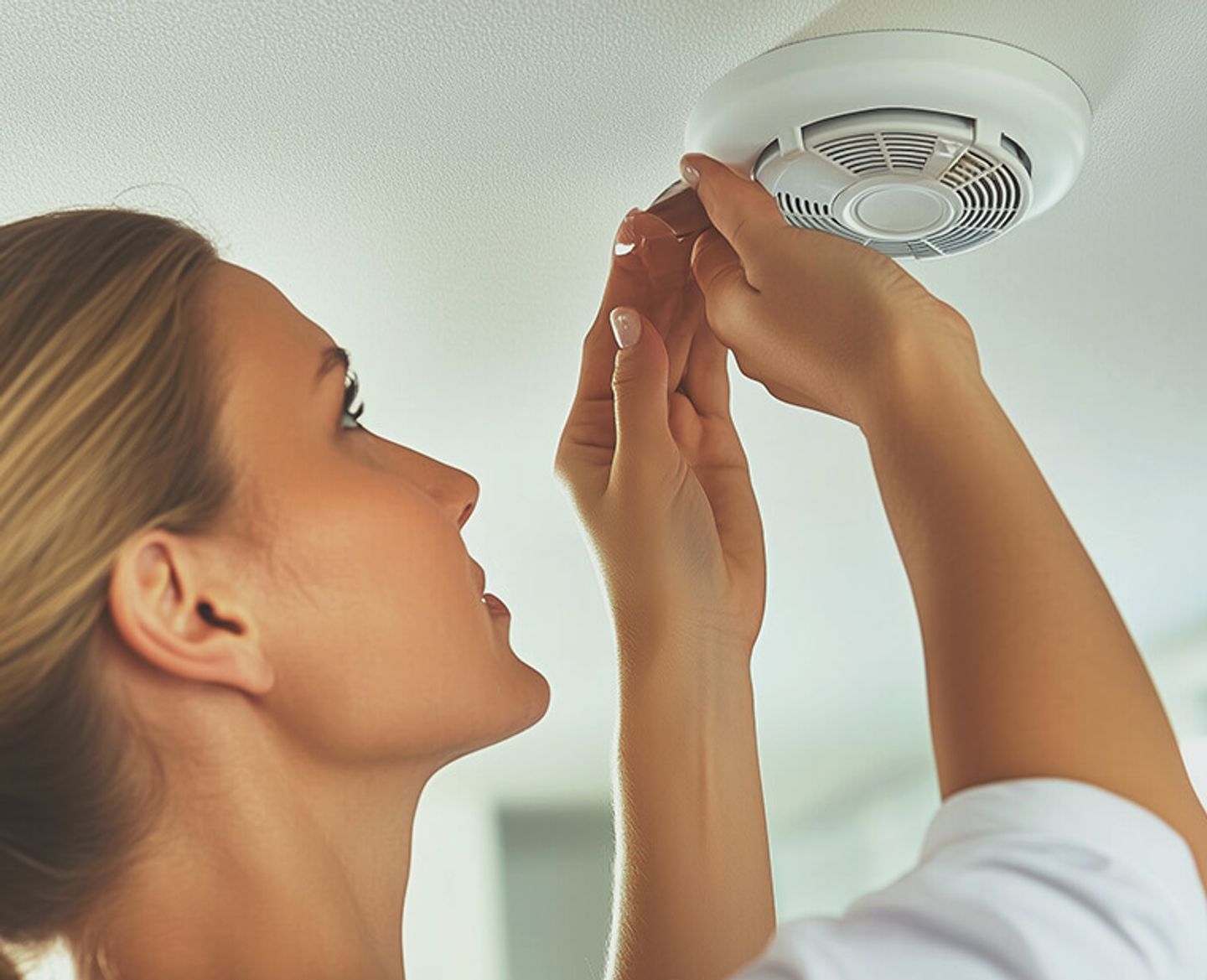
- Keep it dry and covered by alarms. Keep heaters out of bathrooms and away from water unless specifically rated for it. Test smoke alarms monthly, and fit a carbon monoxide alarm if you use any fuel-burning heater.
Keep in mind: a portable heater is there to warm one room for a set time, not to stand in for your central heating. If it smells of burning or trips your fuse, unplug it and stop using it. London Fire Brigade also advises switching heaters off when you go out or to bed.
If you are insulating at the same time, our guide to how to heat a draughty room without wasting energy pairs nicely with this one.
Are convection heaters expensive to run?
They cost the same as any other electric heater of the same power, because nearly all the electricity turns into heat. At an example rate of 26p per kWh, a 2kW heater costs about 52p an hour on full power.
To work out your own cost, multiply the heater's kilowatts by the hours you use it, then by the price per kWh on your energy bill. Four hours a day with a 2kW heater comes to about £14.56 a week. A thermostat can bring that down, because it switches the heater off once the room is warm.
Our electric heaters running costs guide goes deeper, and Ofgem publishes the current cap.
Should you hire or buy a portable heater?
If you need heat for a few weeks, such as while you decorate, fit a new boiler or ride out a cold snap, we’d recommend hiring. But if you will use the heater every winter, you’d be better off buying. It also depends on your price range too.
Whatever you choose, HSS DIY has the heater for you.
Safety kit to pair with your heater
A heater is only as safe as the room around it, and working smoke alarms are the first thing to check. You'll find a range in smoke and fire detection at HSS DIY. Test them monthly, and replace any that are past their date.
Heating a garage or workshop? Keep the heater well away from sawdust, solvents and paint fumes, and ventilate the space. You can hire a ventilation and extraction unit from HSS DIY for the job. Whatever the room, follow the manufacturer's instructions for your heater.
Your 4-step safe set-up timeline
What our customers say
⭐⭐⭐⭐⭐ "Needed a space heater in a hurry to dry some two pack floor paint. Website easy to use and pick up and drop off both very fast. Staff were efficient and polite.” - Quentin’s review on our hired heaters.
⭐⭐⭐⭐⭐ "A suitable heater was easily available, staff were very helpful" - Liz’s review on our hired heaters.
Frequently asked questions about portable heaters
Can I leave a portable heater on overnight?
No. Fire services advise switching heaters off when you go to bed or leave the room, even if the heater has a tip-over switch.
Are oil-filled radiators safer than fan heaters?
Oil-filled radiators have no exposed element and a lower surface temperature than most radiant heaters, but the same rules apply. Keep them clear of fabrics and never cover them.
What is the difference between convection and radiant heaters?
Convection heaters warm the air, which circulates the room. Radiant heaters warm people and objects directly. A convection heater takes longer but suits whole rooms.
Is it cheaper to hire or buy a portable heater?
For a short spell, hiring is cheaper. An oil-filled radiator costs about £24.00* to hire for an average 14 days, against £46.45* to £59.15* to buy.
*Prices are correct as of November 2026 and are subject to change. Check live product pages for current pricing.
Stay warm with a portable heater from HSS DIY
And there we have it!
A portable heater is safe to use when you give it space, a proper socket and a bit of supervision. Keep a metre clear, skip the extension lead, switch it off when you leave the room and test your alarms, and you will get the warmth without the worry.
Whether you hire an oil filled radiator for a cold snap or buy a convector for winters to come, HSS DIY has you covered.
Buy the materials. Hire the tools. One order. All in one place.
Get DIY Happy with HSS DIY: The Home of Great Projects.
Meet the people behind our Tips & Advice
From quick fixes to bigger DIY projects, get to know the people behind the guides helping you get the job done with confidence.