



















With seemingly never-ending energy price increases, we could all benefit from cutting the cost of our energy bills.
Not only are there environmental benefits to saving energy, but our purses & wallets will feel a bit heavier too.
You may be wondering where to start when it comes to making your home more energy efficient, so we’ve pulled together some ideas on what you can do to help reduce the cost of your energy bills.
Consider changing your washing cycle
An easy change is to move to a 20°C or 30°C wash cycle.
If your laundry is not heavily stained, a lower temp wash should clean your clothes as well as a 40°C wash.
If the load isn’t particularly dirty and just needs a “refresh”, using a short cycle is just as good as a longer cycle.
You can also opt to use an Eco setting if your washing machine has one.
If it does, take advantage of it – the cycle may take longer but it uses less water and energy.
It's also worth checking if your energy provider has a cheaper tariff during “off-peak” hours. By simply changing the time you do your laundry could save you several pounds each month.
Also ask yourself - is your washing machine loaded correctly?
You should be able to fit your hand at the top of the load and move your fist around.
Overloading your washing machine means your clothes can't get washed properly, which might mean you'll have to wash the load again - wasting more energy.
Avoid using a tumble dryer when you can.
Instead, make the most of any dry weather and hang washing outdoors on a line.
If you don’t have outdoor space or the weather isn’t suitable, wait until the heating is on to hang your washing on an airer indoors to speed up the drying time.
Try to keep a window open in the room the washing is hanging to avoid any build-up of damp.

Credit: Photo by Nick Page on Unsplash.com
Turn the heating down
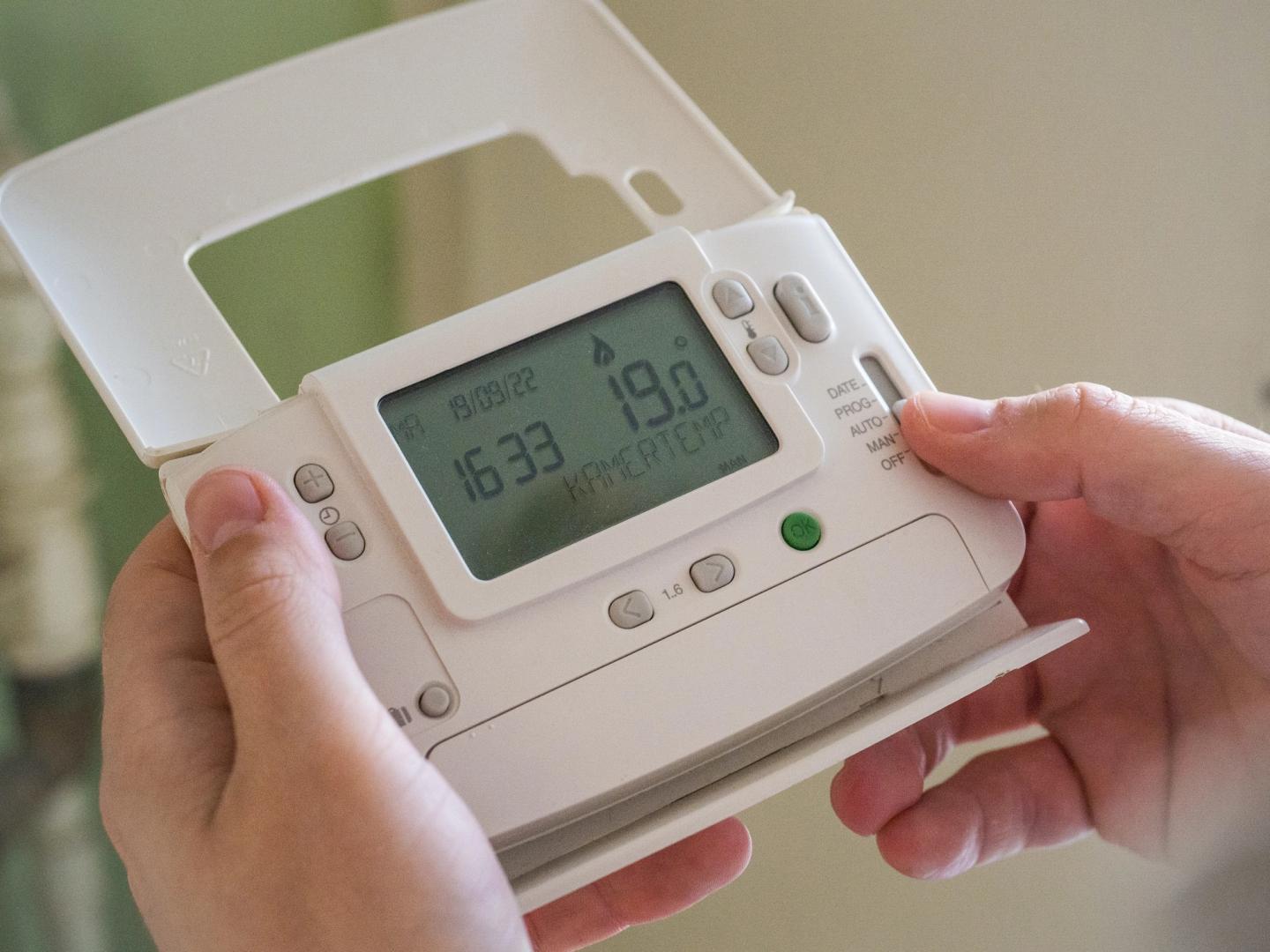
Another top tip on making your home more energy efficient is to turn down your thermostat!
Most people are comfortable in 18 - 21°C so check if you could turn down your thermostat - even turning it down by 0.5 will help save costs.
Make sure the heating is switched off when no one is at home.
If you can, schedule a timer to help manage how long the heating stays on for so it's not constantly on, especially during times you won't really need.
You could look to invest in smart heating that will give you the option to control your heating remotely – handy if you forget to switch it off and are not at home.
Surely in our childhoods, our parents have told us to keep the doors closed in the house when the heating's on.
For good reason!
When the heating is turned on, closing internal doors will heat each room more efficiently, rather than allowing any heat to escape.
You could also invest in an electric blanket for the evenings too!
They use a fraction of the energy that heating a whole house does and they'll keep you nice & snug too.
Credit: Photo by Arthur Lambillotte on unsplash.com
Block the draughts
Check that all your windows and doors are properly sealed.
It might not seem important but any gaps around them can let a cold breeze in & we do not want that!
If there is a draught in your home, it might temp you to put the heating on or turn it up if it's already on.
Inspect all around the edges of the frames to feel for any air moving through.
On your front door, check that letterboxes & keyholes are not letting heat escape either.
If you do feel a bit of a breeze, don't worry. HSS DIY has what you need.
You can buy a range of draught excluders in different colours to place around your doors & windows to seal them up and block any gaps.
Replace any old windows
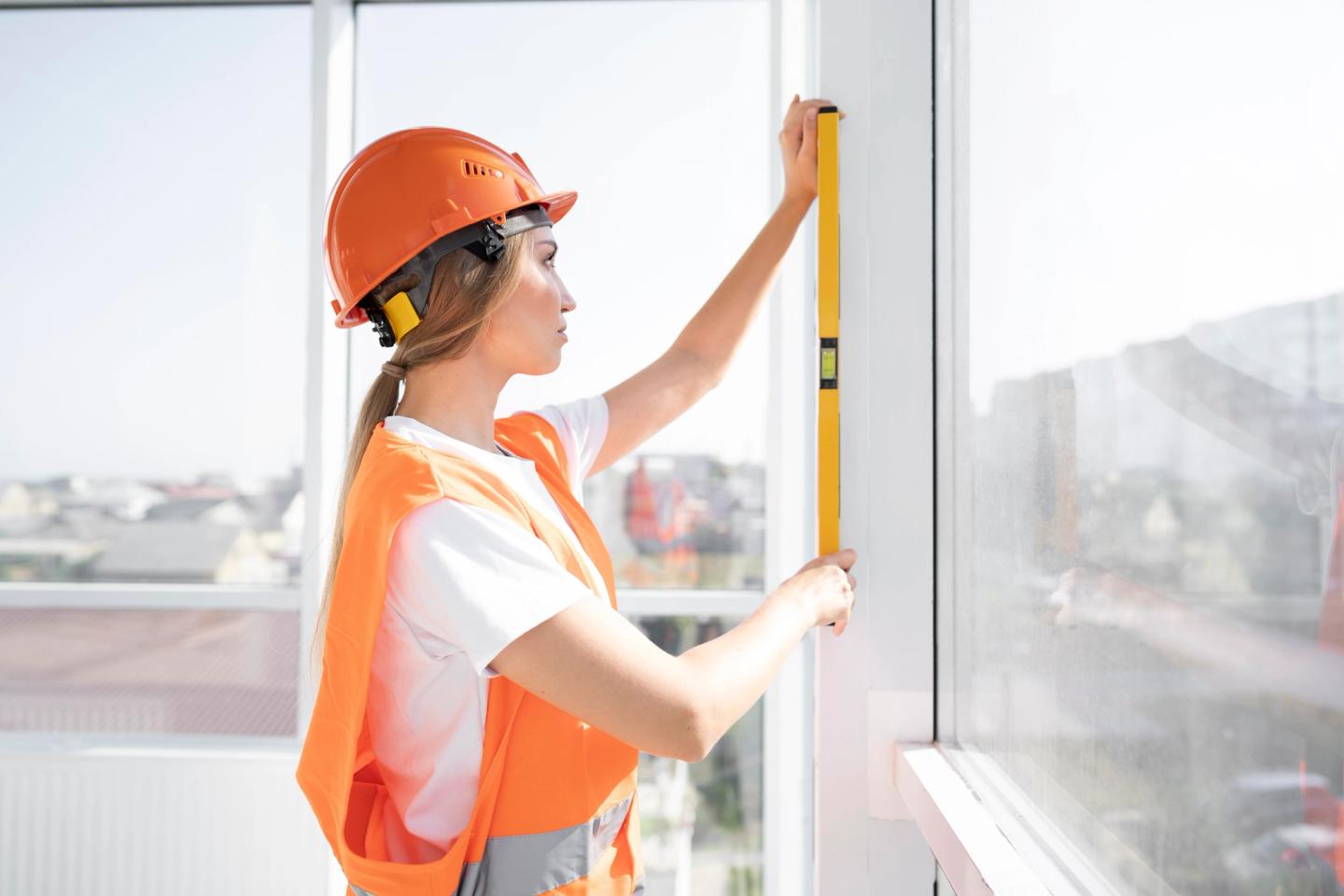
Although it's a considerable investment, another way to help your home become more energy efficient is to replace your windows.
If your windows are single-glazed, your home is highly likely to be losing a lot of heat as they don't have the same insulating properties as double or triple glazing windows.
If brand new windows are not within your budget, that's no problem at all. Consider thermal insulated curtains instead.
They can also help reduce the amount of heat escaping through windows.
Check out the window options that are available to buy online at HSS DIY.
Credit: Image by Freepik
Change some of your cooking habits
Small changes in the kitchen can have an impact on the amount of energy you use.
Things like not over-filling the kettle and only using what you need is a good tip.
So is thinking about when you could use the microwave instead of the gas or electric cooker as it uses considerably less energy.
You can also consider investing in low-energy kitchen appliances such as an air-fryer or slow cookers too.
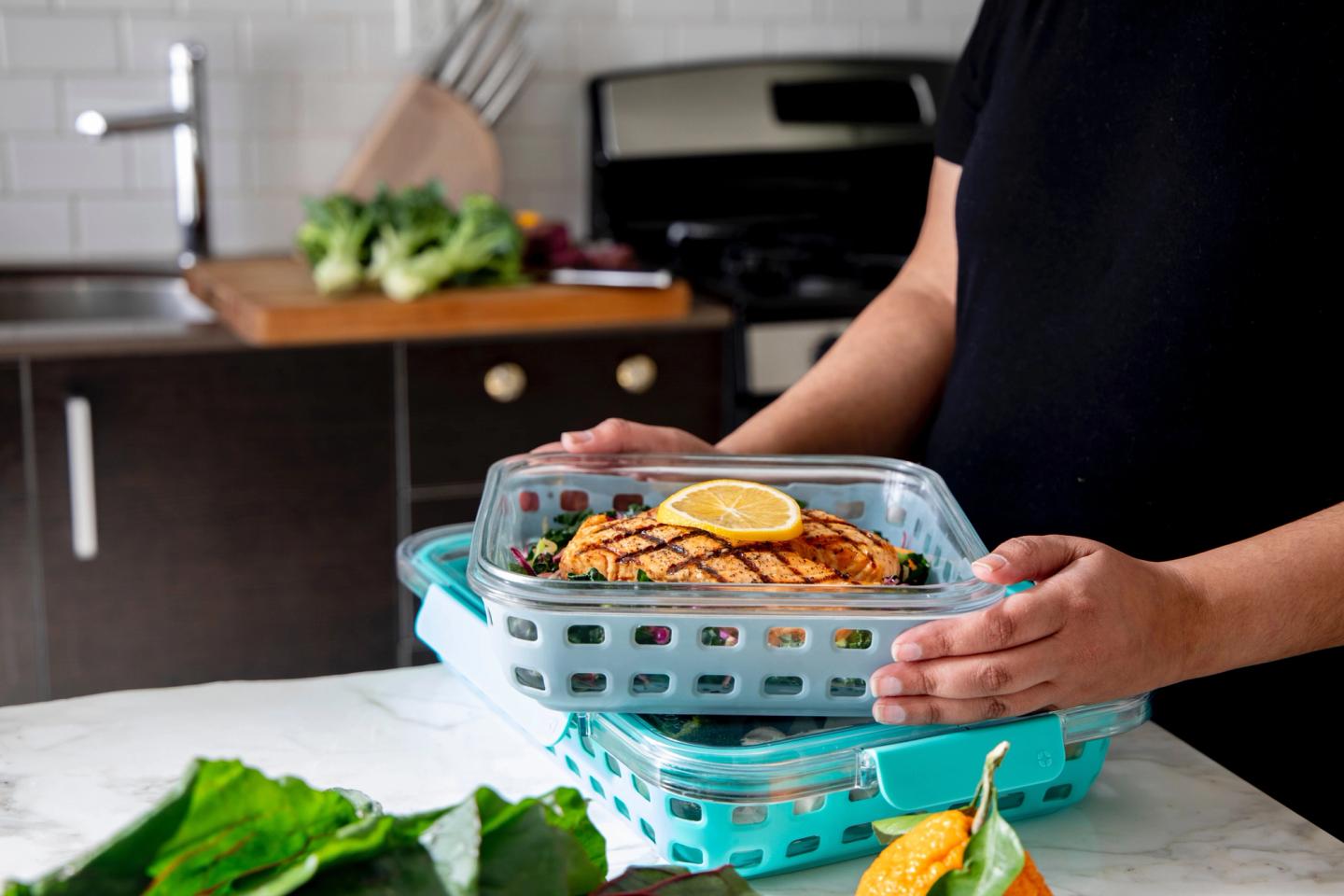
A slow cooker is not only energy efficient but you can batch cook meals that can be frozen & reheated in the microwave to help cut costs.
Using the oven? It might be better for your energy bills if you plan ahead & cook several meals at the same time to either leave in the fridge or store in the freezer.
Credit: Photo by Ello on Unsplash.com
Install loft or wall insulation
Did you know you can lose heat through your walls and windows?
According to energy saving trust, we lose 25% of our heat through the roof!
By insulating your roof and walls, you will make your home more energy efficient as it reduces heat loss in your home, keeping you and your family nice and cosy, especially during the colder months.
Have you checked your boiler recently?
Over time, our boilers can break down for a number of reasons but age is a big factor.
If you have an old boiler, they'll probably less efficient compared to a new one, which won't be good for your energy bills.
Newer boils can captures and reuses heat instead of releasing it, which will keep your home warm when you need it.
Upgrading your boiler means you can make your home more energy efficient due to their technology.
They have smart thermostats so you can control your heating, from when it comes on to the specific temperature.
New boilers are also 90% more energy efficient which will help reduce energy bills, as well as your carbon footprint!
Again, just like upgrading your windows, upgrading your boiler can be costly but it's a great investment.
By making simple changes, you can make your home more energy efficient
Now more than ever, saving money on our annual energy bills has never been more important.
There are so many changes we can make in our homes to make them more energy efficient.
From small changes to the way we wash our clothes or cook our food to bigger investments like roof insulation & upgrading your boiler, they all contribute to reducing bills.
If you have any questions or queries about draught excluders, windows, insulation & more, get in touch with our live chat agents who are more than happy to help.
Meet the people behind our Tips & Advice
From quick fixes to bigger DIY projects, get to know the people behind the guides helping you get the job done with confidence.


