




⏱ Read time: 8 min | 🌿 Difficulty: Beginner | ⏰ Time: 30 mins to 1 day (8 hrs) per job | 👷 1 person
Quick answer - Every homeowner should learn a handful of basic DIY skills in 2027: bleeding a radiator, fixing a dripping tap, unblocking a sink, sealing a bath, patching plasterboard and draught-proofing. Most take under a day, usually cost less than a call-out and prevent bigger repairs. We show you how, and when to call a professional.
Key takeaways
- Preventative maintenance saves money: small, regular jobs stop costly damage.
- Basic plumbing and decorating jobs suit beginners with a simple starter kit.
- Gas and new electrical circuits always need a registered professional.
- Buy the materials and hire the bigger tools from HSS DIY, all in one order.
In this guide
- Why learn basic DIY skills in 2027?
- What is in a beginner DIY tool kit UK homeowners need?
- What does DIY safety for beginners look like?
- Which basic plumbing jobs should I learn first?
- Which easy DIY jobs for beginners refresh your home interior?
- How to draught-proof your house on a budget
- How much does it cost to DIY vs hire a plumber?
- Which DIY jobs should you never do yourself in the UK?
- What should your 2027 DIY calendar look like?
- Frequently asked questions
- Ready to start your 2027 DIY list?
Why learn basic DIY skills in 2027?
Learning basic DIY skills is important because preventative maintenance beats emergency repairs. A few basic DIY skills catch small problems before they become soggy ceilings and surprise bills. From diy yourself projects to basic plumbing jobs, confidence grows with every job, but it’s best to start small.
What do I need in my beginners DIY tool kit as a homeowner?
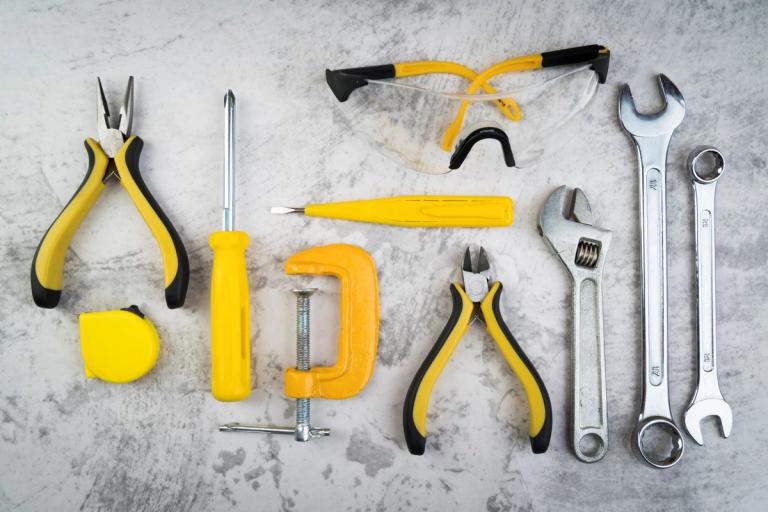
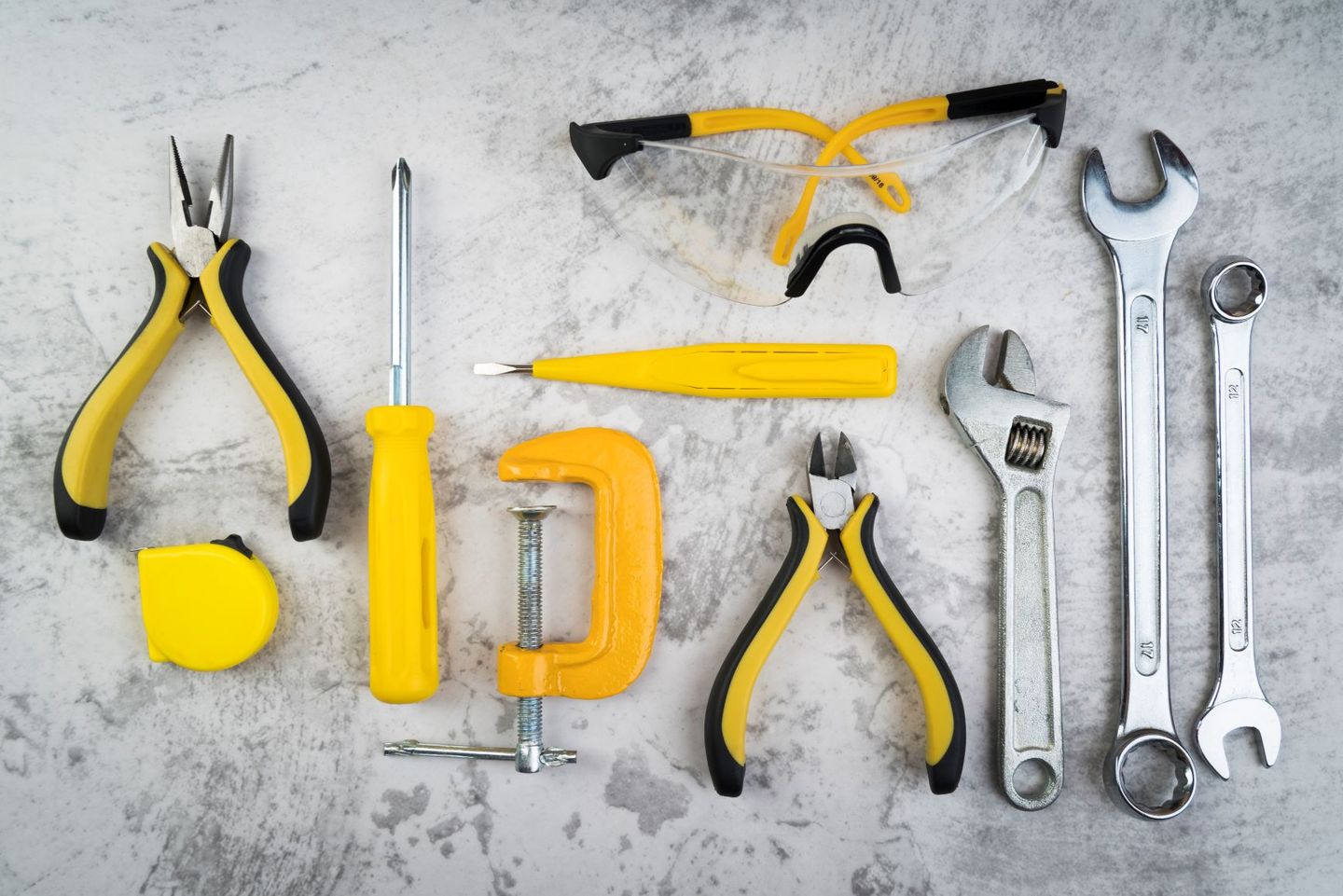
You can cover most basic DIY skills with a small, sensible beginner DIY tool kit that homeowners can build up over a few months. Start with the hand tools below, add safety kit from day one, and hire the bigger gear only when a job calls for it. Our essential hand tools guide explains each one in more detail.
☐ Tape measure and spirit level
☐ Screwdrivers, adjustable wrench and pliers
☐ Hammer and a utility knife
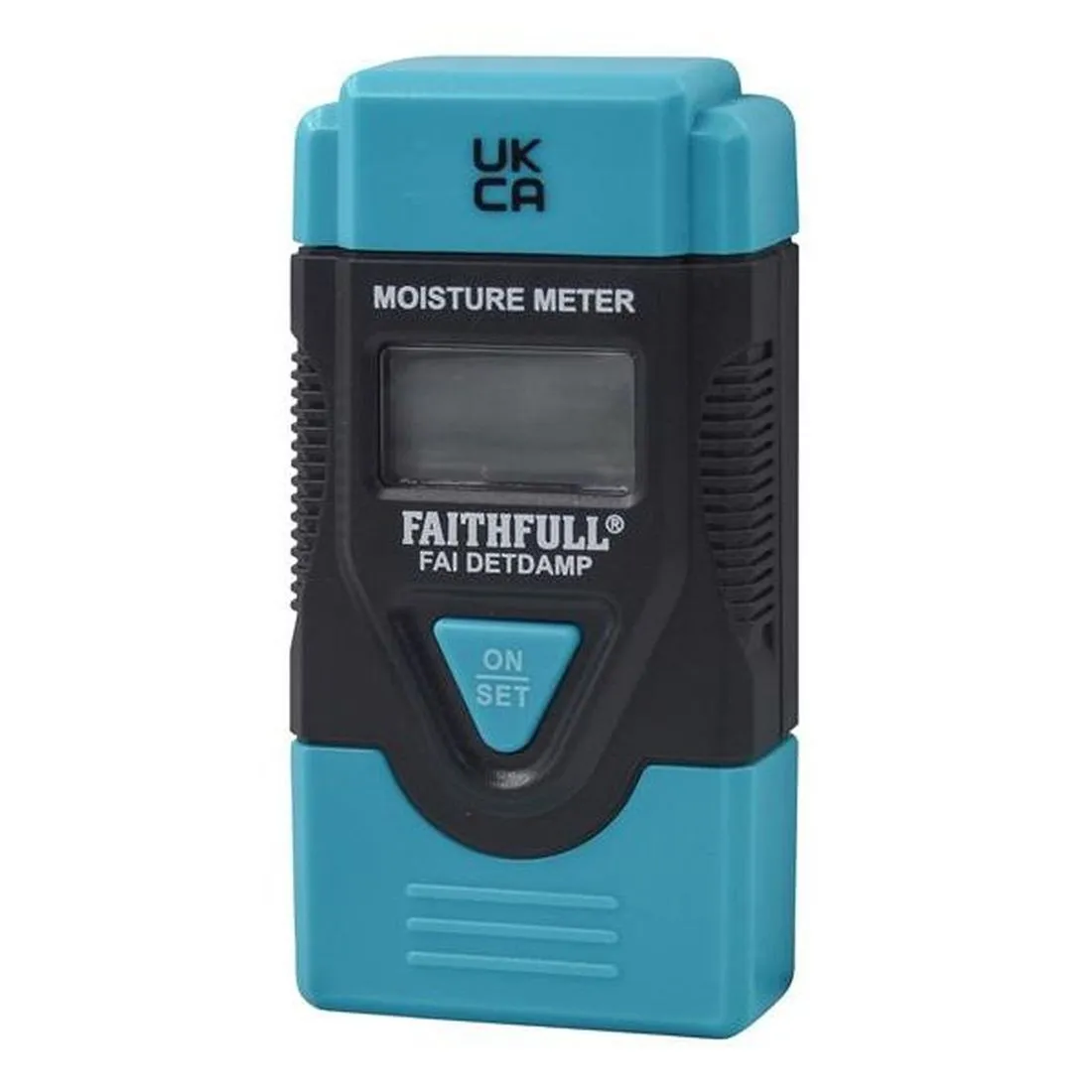
☐ Voltage tester
☐ Safety glasses, gloves and dust mask
Buy the everyday kit and the consumables, such as filler, sealant and sandpaper, because you will use them again and again. For one-off jobs, hire the bigger kit, like ladders and wall sanders, for just the days you need them. It keeps your shed tidy and your wallet happier.
What does DIY safety for beginners look like?
DIY safety for beginners comes down to three habits: wear the right protective kit, switch off the water and power before you start, and respect ladders. Get those right and most jobs become far less risky. Our health and safety page has more guidance and kit.
Protect yourself first. Pop on safety glasses, gloves and a dust mask before you cut, sand or scrape anything. Dust and debris find your eyes and lungs faster than you would think.
Isolate before you begin. Turn off the water at the isolation valve and the power at the consumer unit, then prove the circuit is dead with a voltage tester. Never assume a switch is off just because the light is.
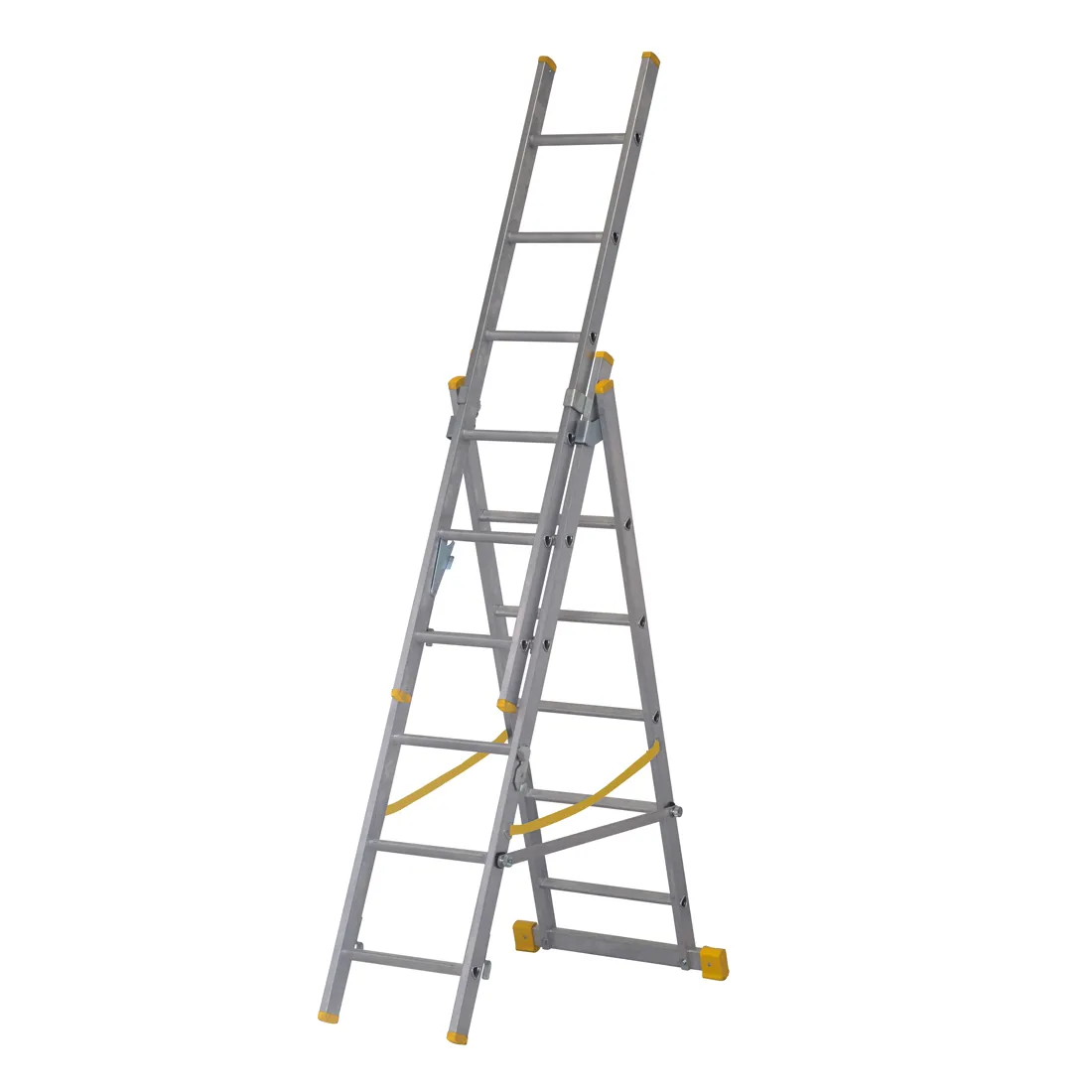
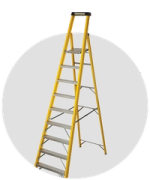
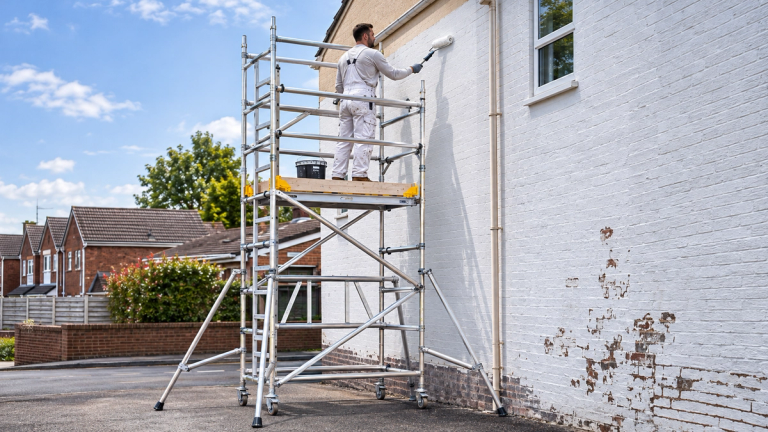
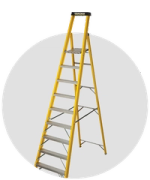
Take ladders seriously. Use firm, level ground and keep three points of contact, as HSE guidance advises. Not sure whether a ladder is right for the job? Our ladder versus scaffold tower guide helps you choose, and you can hire a ladder for the day.
Know your home’s age. Houses built before 2000 may contain asbestos, so do not drill, sand or scrape textured coatings until they have been checked.
Which basic DIY jobs should I learn first?
How to bleed a radiator
🌿 Beginner | ⏰ 30 mins | 👷 1 person
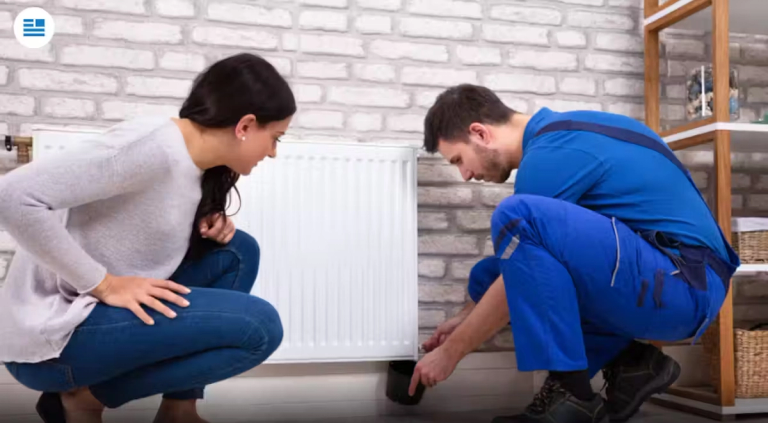
Radiator cold at the top but warm at the bottom? Trapped air is the usual culprit, and bleeding it takes minutes. All you need is a radiator key, a towel and a bit of patience.
First, turn the heating off and let the radiators cool, so you do not get scalded. Then hold a towel under the valve and turn the key slowly anticlockwise until you hear a hiss. Close the valve as soon as water appears. Finally, check the pressure gauge on your boiler against the manual and top it up if it has dropped.
Our radiator guide covers the job in more detail.
How to fix a dripping tap
🌿 Beginner | ⏰ 1 hr | 👷 1 person
A dripping tap is usually down to a worn washer or ceramic cartridge, and replacing one costs far less than a plumber’s call-out. Take the old part with you so you can match it exactly from our plumbing range.
First, turn off the supply at the isolation valve, then open the tap to drain any water left in it. Then remove the tap head, lift out the worn washer or cartridge and fit the matching replacement. Finally, rebuild the tap, turn the water back on slowly and check for drips. Pop the plug in the sink while you work, because small screws love a plughole.
Read our guide on fixing taps for more info.
How to fix a running toilet
🌿 Beginner | ⏰ 1 hr | 👷 1 person
A toilet that keeps trickling or refilling is wasting water, and the culprit is usually a worn fill valve, a tired flush valve seal or a float set too high. All three are simple to sort. Match the replacement part from our toilet range.
First, turn off the supply, lift the cistern lid and watch where the water is escaping. Then adjust the float if it sits too high, or replace the fill valve or seal if they look worn. Finally, turn the water back on and flush a few times to check the cistern stops refilling once it is full.
How to unblock a sink without chemicals
🌿 Beginner | ⏰ 30 mins | 👷 1 person
You rarely need harsh chemicals to clear a slow sink. A plunger and a clean trap do the job, and they are kinder to your pipes. Find a plunger in our plumbing tools, or hire drain equipment for stubborn blockages.
- First, block the overflow with a wet cloth and plunge firmly. Then, if it is still slow, put a bucket underneath, unscrew the trap and clear out the gunk. Wear gloves, as it will not be pretty. Finally, refit the trap hand-tight and run the tap to check for leaks.
Re-seal a bath
🌿 Beginner | ⏰ 2 hrs plus cure time | 👷 1 person
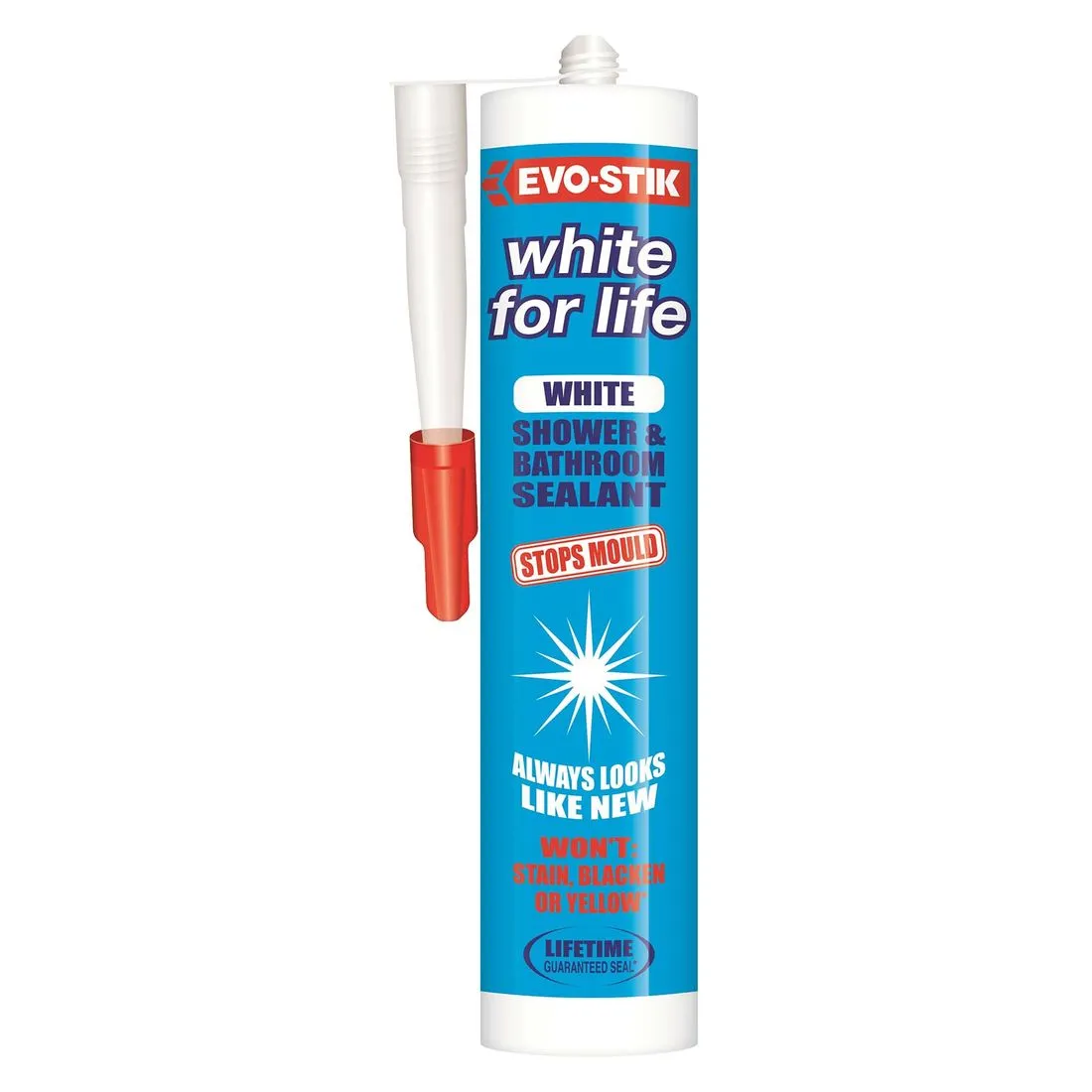
Cracked, mouldy or peeling sealant lets water creep behind your bath, where it can cause damp and rot. Re-sealing is a satisfying job that costs very little. Bond It silicone is perfect for the job or you can browse more sealants if you want a different finish.
First, cut out the old sealant with a sharp knife and scrape away every last scrap. Then clean the joint and dry it fully, because silicone will not stick to a damp surface. Next, part-fill the bath with water, so it sits at its lowest point when you seal. Run one steady bead of silicone along the joint, then smooth it with a wet finger or a sealant tool. Finally, leave it to cure as the tube says before you drain the bath or have a soak.
How to patch a hole in plasterboard
🌿 Beginner | ⏰ Half a day (4 hrs) | 👷 1 person
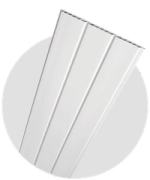
The right fix depends on the size of the hole. Small dents and screw holes need filler, slightly bigger ones need a mesh patch, and large holes need a piece of plasterboard cut to fit. Find what you need in our plasterboard accessories and fillers range.
First, trim away any loose or crumbling edges so you have a clean, firm hole. Then fix a self-adhesive mesh patch over a small hole, or secure a plasterboard patch to a larger one. Next, apply filler in thin layers, letting each one dry before the next, as one thick layer will crack and sink. Finally, sand it smooth, prime the patch so it does not soak up your paint, and paint it to match the wall.
Make sure to wear a dust mask while sanding to stop you inhaling fine dust particles.
How to change a light fitting
🔧 Intermediate | ⏰ 1 hr | 👷 1 person
Swapping one light fitting for another of the same type is a sensible DIY job, as long as the circuit is switched off and proved dead first. Browse our electrical range and check the IP rating if the light is going in a bathroom.
First, switch off the circuit at the consumer unit and confirm it is dead with a voltage tester. Then take a photo of the existing wiring, disconnect the old fitting and connect the new one exactly as the instructions say. Finally, fit the new light, restore the power and test it. If the wiring looks old, damaged or different to what the instructions show, stop there and call a registered electrician.
Draught-proofing your house
🌿 Beginner | ⏰ Half a day (4 hrs) | 👷 1 person
To draught-proof your home, you’ll need to seal any gaps around your windows, doors and floors. Sealing the gaps around your windows, doors and floors is one of the cheapest ways to make a home feel warmer. The Energy Saving Trust says it could save around £55 a year in Great Britain, and strips cost around £2 a metre.
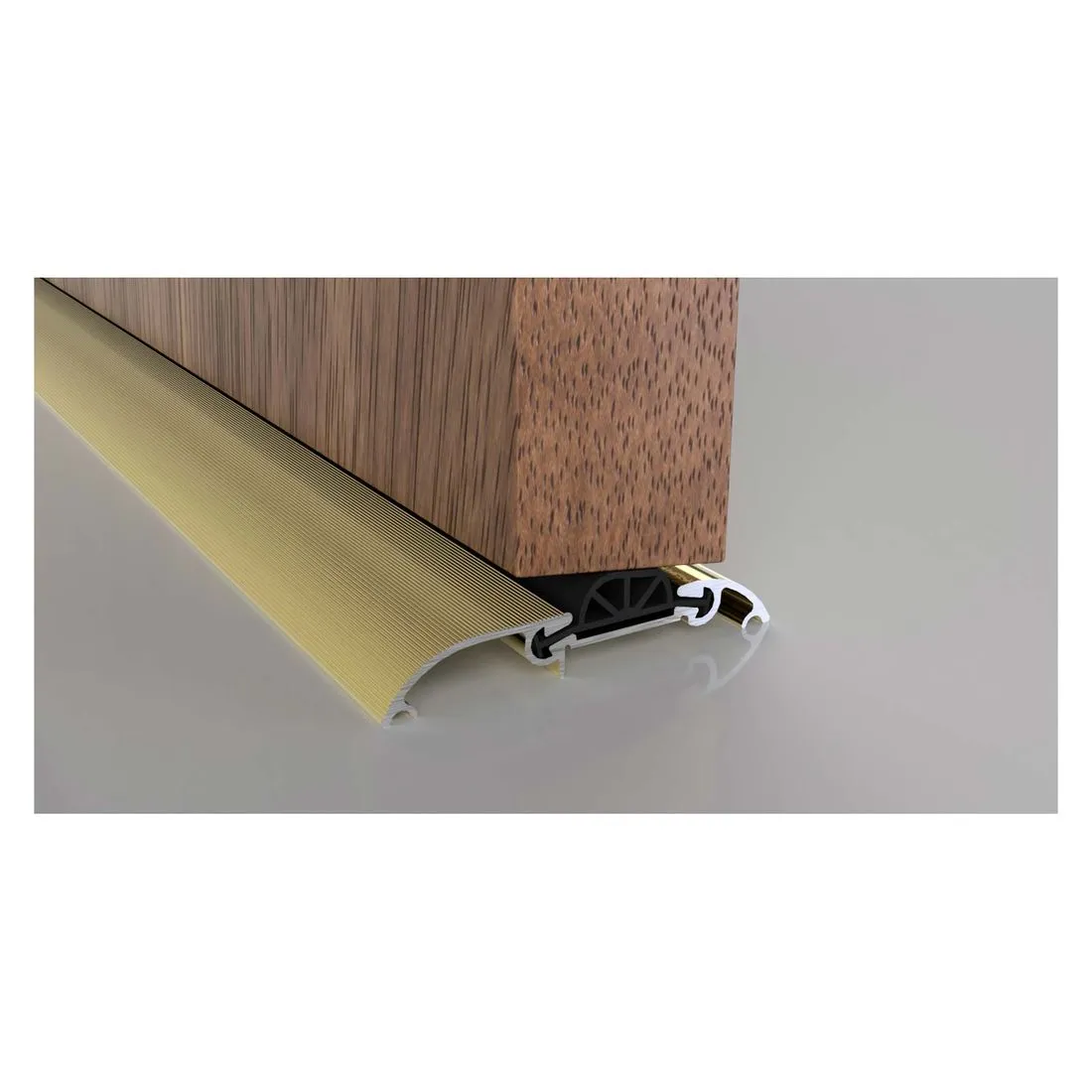
First, find the gaps on a windy day, using your hand or a lit candle held well away from curtains. Then fit self-adhesive strips to opening windows and doors, a brush seal under external doors, and covers on letterboxes and keyholes. Use sealant on fixed windows and gaps around skirting boards. Finally, leave trickle vents, air bricks and extractor fans well alone, as your home still needs to breathe to avoid damp and condensation
Which home DIY jobs should you never do yourself?
The home DIY jobs you should never do yourself involve gas, new circuits, structure or asbestos. These are the main DIY jobs to avoid:
- Gas appliances, boilers and pipework risk fire and carbon monoxide, so call a Gas Safe registered engineer.
- New circuits and consumer units are notifiable under Part P in England, so call a registered electrician.
- Structural walls, chimneys and lintels are dangerous to get wrong, so call a structural engineer or builder.
- Asbestos may lurk in pre-2000 homes, so call a qualified specialist to check it.
- For roof work and high-level jobs, falls cause serious injury, so call a professional with access equipment.
What should your 2027 DIY calendar look like?
There are many jobs you can do in your home during 2027, especially if you’re a new homeowner. This table is your timeline for 2027 DIY projects, which includes one or two jobs a month.
Home DIY frequently asked questions
Is DIY plumbing cheaper than hiring a plumber?
Often, yes. Plumbers typically charge £40 to £60 an hour, so small jobs done yourself can pay back quickly. Leave anything involving gas to a Gas Safe engineer.
Can I change a light fitting myself?
Yes, if you are swapping an old light for a similar new one using the wiring that is already there. Switch off the power at the fuse box (consumer unit) first, then use a voltage tester to check the wires are dead before you touch them. If you want to add a new light, move one, or the wiring looks old or damaged, call a registered electrician.
How often should I bleed my radiators?
Bleed radiators at least once a year, ideally as the weather turns cold. Our radiator guide shows how.
Can I hire tools instead of buying them?
Of course. You can hire ladders, sanders, drain equipment and more from HSS DIY.
Ready to start your 2027 DIY list? HSS DIY can help
And just like that, you’ll be able to tackle your home DIY projects in 2027 with ease.
You do not need to learn everything at once. Pick one job a month, start with the quick wins, like bleeding a radiator or re-sealing a bath. Each job builds confidence, saves you money and heads off bigger repairs later. That is the heart of preventative maintenance, and it beats a soggy ceiling on a Sunday evening. Make sure you build your beginner DIY tool kit as you go, and call a professional for gas, new circuits and structural work.
You can order any tools and materials from HSS DIY with same day delivery on selected items, next day delivery or click and collect from one of our partner branches.
Buy the materials. Hire the tools. One order. All in one place.
Get DIY Happy with HSS DIY: The Home of Great Projects.
Meet the people behind our Tips & Advice
From quick fixes to bigger DIY projects, get to know the people behind the guides helping you get the job done with confidence.