




























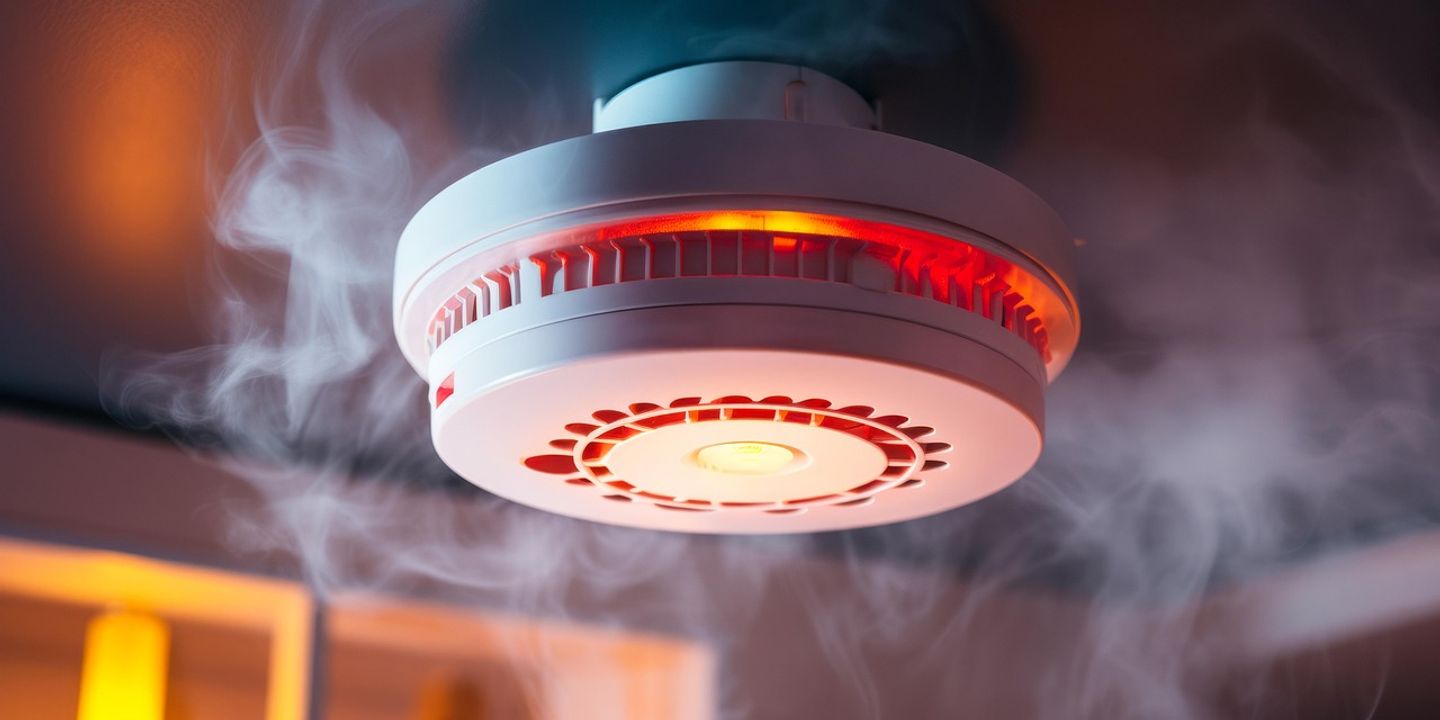
Most homes, whether smoke alarms are purchased or rented, have smoke alarms but most people are unaware that these devices are more protective than other types of alarms. In order to keep you and your family safe this is one of the most crucial actions. If a smoke alarm is installed in the proper location and is of the correct type it will function well. A smoke alarm works effectively if it's the right type and installed in the right place.
In the UK, around 65% of homes do not have smoke alarms installed correctly, meaning the smoke might be detected far too late during an emergency.
Minutes count in a home fire, but seconds frequently determine fate. Smoke alarms notify you and alert you early enough to escape. The type of sensor, battery quality, and placement all play a role.
The blog explains how to install a smoke alarm, maintain it, and, most importantly, how to prevent silent blunders that jeopardize home fire safety without anyone knowing.
Selecting the proper smoke alarm (Most homes require multiple types)
There are two major types of smoke alarms typically used in the home:
Smoke alarms that use optical (photoelectric) technology can identify slow-moving smouldering fires such as those caused by candles placed too close to combustible objects or overheating wires behind walls.
Ionization smoke alarms: These identify flames that burn quickly like a kitchen fire that is spreading quickly or burning paper. These are too delicate for kitchens, but they function well in areas where fire could spread swiftly. Heat alarms eliminate burnt-toast alarms and allow for early detection in the event of a real fire by detecting high temperatures instead of smoke.
Heat alarms detect hot temperatures rather than smoke. This eliminates burnt-toast alarms but still enables early detection in a real fire.
Most families should include:
- Optical alarms in bedrooms and hallways
- Transitional areas with ionization alarms
- Heat detectors in kitchens and garages.
Your house is among the top 20% of the safest residential fire setups because of this straightforward combination alone.
The placement of your smoke alarm is critical.
It is a common misconception that just putting a smoke alarm “on the ceiling somewhere” is sufficient. Smoke follows extremely particular patterns. As the temperature rises, smoke accumulates at the highest point and spreads outward in a hot layer across the ceiling. Alarms must thus be placed where smoke will naturally pass first.
Set your alarms:
- Ideally, in the middle of the space and on the calling
- Corners retain stagnant air, so keep at least 30 cm away from them.
- On each story of your house
Most people are surprised to learn that bedrooms can be found indoors and outdoors. If you have a slanted ceiling, do not place the alarm at the highest point. Heat can create an air pocket that delays detection. Post the alarm just below the summit, where the rising smoke goes the most directly.
This difference in positioning can affect alarm response time by up to 90 seconds. That distinction is more important than anything else when there is a fire at night.
How to Install a Smoke Alarm (DIY friendly and safe)
Smoke alarm installation is an easy do-it-yourself project. You will normally just need:
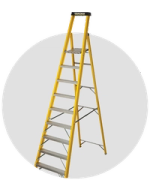
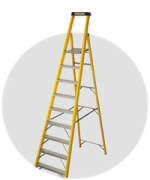
- A step ladder
- A drill or screwdriver
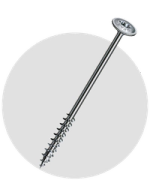
- Screw and plug that will come with the package.
After marking the spot, drill the holes, fasten the mounting base, and secure the alarm unit with a twist lock. Press the test button after installation until a loud alarm sounds. Replace the alarm in the box immediately if the sound is weak, muffled or irregular.
After installation, evaluating the alarm is more than a one-time process. Monthly testing is part of smoke alarm maintenance. This maintains the speaker functioning and ensures that the internal components have not deteriorated.
Maintaining your smoke alarm (Where most people fail)
Even if they are in good functioning order, smoke alarms do not last forever. Over time internal sensors deteriorate. Each smoke alarm has a manufacturing and expiration date. Even if the alarm keeps going off during testing after this date the sensor might not be able to detect smoke at the necessary speed.
This is one of the most significant concealed threats in UK households.
Furthermore:
- Batteries should be replaced every 6 to 12 months unless the unit is sealed for ten years.
- Every three months, vacuum the alarm to remove dust.
- The smoke alarm’s sensors are blocked when you paint over it.
Folks believe that if the alarm has not gone off, they believe that everything is okay. Nevertheless, a smoke alarm is intended to remain silent until one day your life relies on it.
The hidden fire risks that most families do not consider.
Unbeknownst to many, several routine behaviours significantly raise the danger of fire:
- Chargers for phones beneath pillows
- Using heaters to dry towels
- Clothing placed on radiators
- Filters from the tumbling dryer are dusty.
- Air fryers are kept behind cabinets with low walls.
Fact: Tumble dryer lint is one of the most combustible things in the house, according to UK Fire Investigator’s research, and just cleaning the lint filter may significantly lower the danger. (Source: https://shorturl.at/YFieo )
Small actions with large consequences are the foundations of fire safety.
How can HSS DIY help?
HSS Hire can assist your do-it-yourself installation in a safe and simple manner, whether you require a drill, a step ladder, or even advice on choosing the right alarm type. Proper smoke alarm installation is a one-time task that keeps your home safe every day.
Meet the people behind our Tips & Advice
From quick fixes to bigger DIY projects, get to know the people behind the guides helping you get the job done with confidence.


