

















In the UK, we always talk about the weather every day, yet we’re still surprised by winter. Driving in winter can be challenging, so it’s best to be prepared for cold, dark conditions with the right tools and supplies.
Frost, or sudden snow, can turn water into an ice sheet overnight- making roads dangerous.
According to RAC, there were around 12,000 breakdowns in one day during winter spike. Each year, wintry conditions ice, floods, darkness and snow are linked to thousands of breakdowns in the UK.
It’s important to think beyond just snow tyres, chains and ice scrapers. The following checklist will serve as a practical guide for you and your family during the colder months.
- Safety always comes first: what to protect if you get stuck
This is about staying safe and visible if your car breaks down or gets stuck.
Many people travel without essentials. A poll from The AA found that only one in three drivers packs a cold-weather kit, this kit includes blankets, food, a torch, a spade and water. (Source: The AA)
Here are your driving essentials in the UK:
- A warm reflective winter jacket is essential while exiting a vehicle on a motorway or hard shoulder, as other drivers can spot you instantly.
- The phone is the go-to tool for navigation, camera, and torch. This drains the battery quickly. Carry a spare LED torch with extra batteries.
- Warning triangle: Place it far from the car and nowhere, not on the motorway, or hard shoulder, or to give the approaching drivers time to react.
- A power bank and wind-up battery can be lifesavers. If your car loses power or your phone is running low on charge, use these.
These items aren’t glamorous but are essential for winter driving. Plan for visibility, communication, and roadside safety.
2. For warmth and survival, preparation is key in case you get stranded.
A little planning and the right emergency kit can prevent uncomfortable and risky situations.
Stories of people trapped in the cold weather without supplies are common. Planning ahead with an emergency kit can prevent these situations.
Keep a small winter warm kit in your car boot from November to March:
- Bottled water: A few bottles of water, leaving space for ice expansion if they freeze.
- Sleeping bags and two blankets: Fleece or foil emergency blankets are sufficient for you and your passengers.
- Wollen socks, spare gloves, and hats: Use them if you need to dig, push, or inspect your car.
- Non-perishable foods like protein bars, chocolates, nuts and dried fruits.
3. Getting unstuck, traction and grip
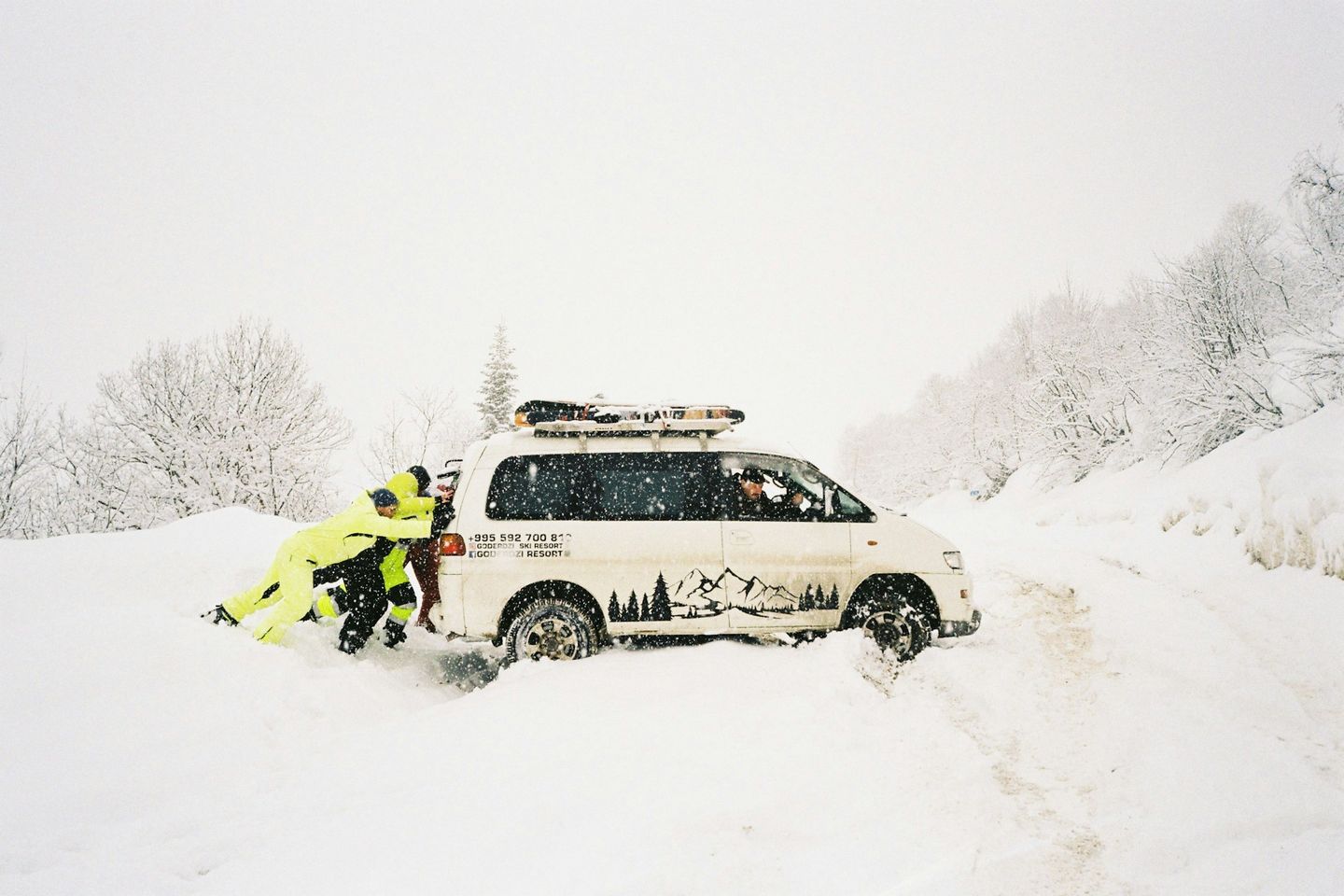
Many winter kits provide only a shovel, but if you get stuck in snow or mud, consider using the following winter essentials to get moving again:
- Good pair of quality boots: With ice being slippery, ice grip boots are a must, you can shovel, clean your car without worrying of slipping over.
- Old car mats: Place under tyres for better grip on slippery ground.
- A small bag of coarse sand: Sprinkle it around the tyres. This improves footing and grip on ice.
- A folding shovel is the best tool for clearing snow from tyres or freeing a wheel arch.
According to Brake, a road safety charity, a record of over 12,000 deaths and serious injuries occur each year due to slippery roads or weather conditions.
4. Hidden essentials like tyres, screen and battery health
A winter kit isn’t just what’s in your car, but also what you check and maintain. Here’s a DIY checklist to help:
Tyres
According to a survey conducted by RAC with charity TyreSafe, 39% of drivers know the legal minimum tread depth allowed by law is 1.6mm. This suggests many may be driving illegally. (Source: RAC)
The more the tread, the more grip. Therefore, keep the following tools in the car:
Under-inflated tyres lose contact with the road as pressure is reduced by cold weather; therefore, a tyre pressure gauge is a must.
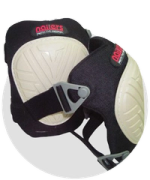
Kneepads and gloves are useful when you are required to change tyres or are stuck in a ditch.
Visibility and screens
Add these to your kit:
- You can clean windows of condensation quickly by using a Microfiber cloth.
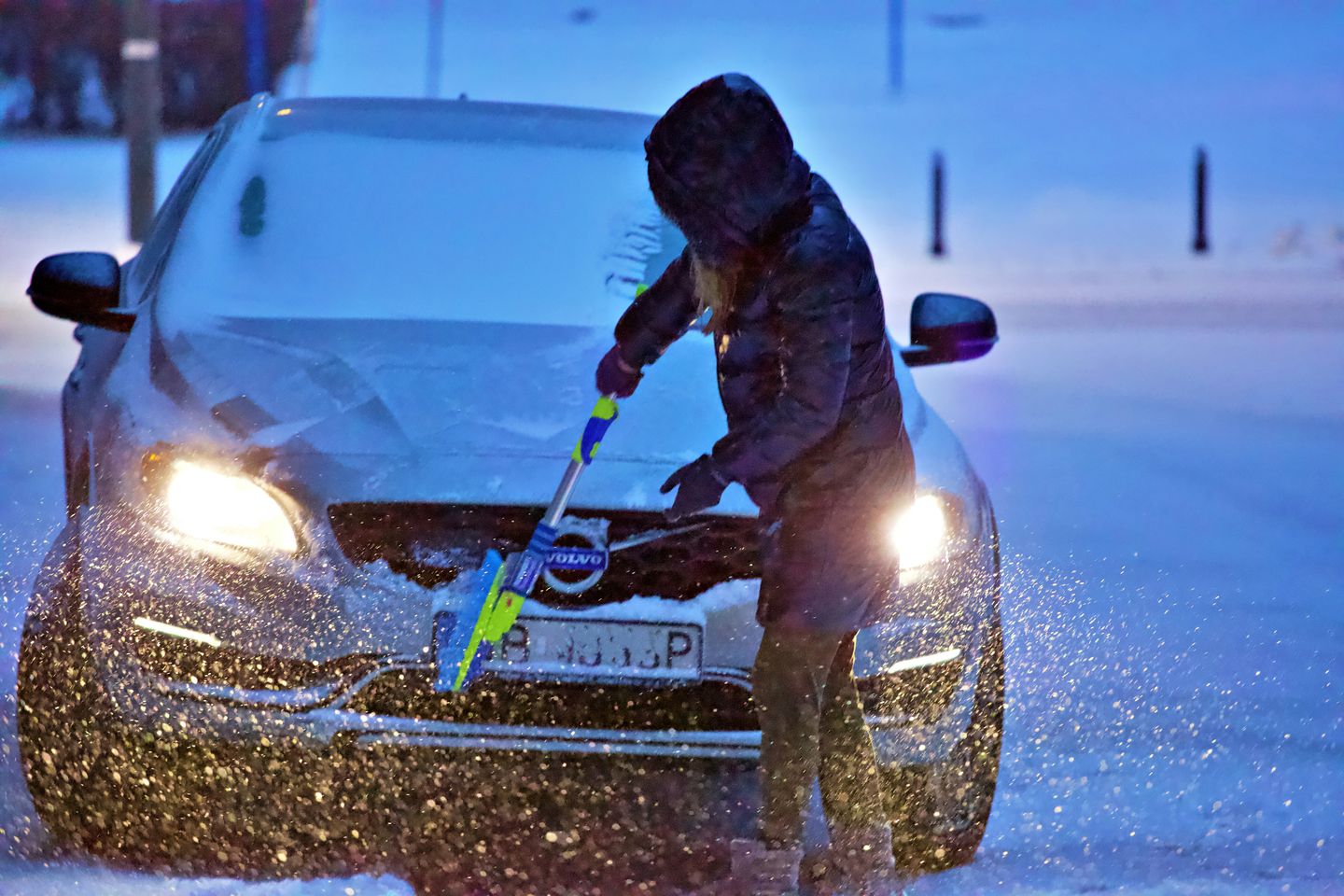
- Scraping ice off manually is the best and quickest way to clear an ice-covered screen.
- De-icer helps to clean the frozen screen.
Car batteries break down easily during harsh winters. Having an extra battery is helpful for trips. If not, a jump starter pack is important, especially for older cars. These options may seem unlikely, but they are practical for winter driving and can help prevent accidents.
5. Sat navigation or paper maps
- If your phone dies, no you lose network, consider putting paper maps in your kit. If you get diverted from main roads, or encounter closures, these maps may be surprisingly useful.
- Keep a written list of emergency names, breakdown providers, insurer, and key contacts in the glovebox.
These might look extreme, but when there is failure, it might not appear inconvenient.
6. Get ready with the right tools
Preparing your car for winter isn’t as different as preparing for cold weather in your home; in the end, it comes down to the right tools and being ready before the temperature drops. Whether it’s a paper-back map, water bottles, a torch, scraper or de-icing, these are essentials for you to keep in your car.
If you need to top up your winter kit or pick up tools, HSS DIY offers a range of practical solutions to help you stay prepared for colder months.
Meet the people behind our Tips & Advice
From quick fixes to bigger DIY projects, get to know the people behind the guides helping you get the job done with confidence.


