









⏱ Read time: 8 min | 🌿 Difficulty: Beginner | ⏰ Time: Half a day (4 hrs) | 👷 1 person
Quick answer: To deal with a frozen boiler pipe in an emergency, switch the boiler off, find the frozen section of the plastic condensate pipe outside, and pour warm (never boiling) water over it. Hold a hot water bottle against it, then reset the boiler. If it won’t restart, call a Gas Safe engineer.
Key takeaways
- A frozen condensate pipe is the usual reason a modern boiler locks out in freezing weather.
- Use warm water and a hot water bottle. Never use boiling water, a blowtorch or a heat gun.
- Reset the boiler once after the thaw. Repeated resets won’t melt ice.
- Frozen pipes can lead to low boiler pressure if they split, so check the gauge afterwards.
- Lag the pipe once it’s clear, and hire a heater if the heating stays off.
Table of contents
- What are frozen boiler pipes and why do they stop my boiler?
- How to deal with a frozen boiler pipe in an emergency: step by step
- When should I call a Gas Safe engineer?
- Can frozen pipes cause low boiler pressure?
- How to fix frozen boiler pipes for good
- Should I hire or buy a heater while my boiler is out?
- What health and safety points should I follow?
- Case study: what the British Gas warning tells us
- What do our customers say?
- Frozen boiler pipe emergency checklist
- Is there a video on how to thaw a frozen boiler condensate pipe?
- FAQs
- Conclusion: thaw, reset and lag
British Gas is warning customers about frozen boiler pipes whenever a hard frost bites, and it’s easy to see why. One cold night, one slushy pipe, and the heating’s off at breakfast.
At HSS DIY, we’d rather you were warm all year round rather than being left in the cold, so here’s how to deal with a frozen boiler pipe in an emergency.
What are frozen boiler pipes and why do they stop my boiler?
When people talk about frozen boiler pipes, they almost always mean the condensate pipe: a plastic drain that carries acidic waste water from a condensing boiler to the outside. If that water freezes, the boiler shuts itself down to stop it backing up.
A boiler condensate pipe frozen overnight usually shows up as no heating or hot water after a sub-zero night, gurgling from the boiler, and a fault code (check your manual, as codes vary). The ice tends to sit at the most exposed point, like the open end or a bend. A condensate boiler frozen pipe is a common winter fault, not a sign your boiler has packed up for good. Phew!
How to deal with a frozen boiler pipe in an emergency: step by step
Most people can thaw a ground level condensate pipe in about 30 minutes with kit they already own. Work through these steps in order to deal with a frozen pipe.
- Confirm the cause. Check that it has been below freezing, the boiler has locked out and you can hear gurgling. Don’t keep pressing reset, as ice doesn’t care how many times you try.
- Find the pipe. Look for the plastic pipe leaving the wall near your boiler and running to a drain or downpipe. Run a gloved hand along it: the coldest, iciest stretch is your blockage.
- Stay safe. Ice underfoot is the bigger risk. Wear gloves and safety footwear, grit the path with rock salt and take a torch if it’s dark. If the pipe is above head height, stop here.
- Thaw with warm water. Boil the kettle, leave it for 10 to 15 minutes so it’s warm rather than boiling, then pour slowly over the pipe, starting at the top and working down.
- Add gentle heat. Hold a hot water bottle or microwavable heat pack against the frozen section, or wrap a warm cloth round it. Repeat until you hear water running away.
- Reset once. Follow your manual to reset the boiler. It should fire up as normal. If it locks out again, stop and move on to the next section.
- Check the result. Make sure heating and hot water are back, then look at the pressure gauge (more on that below).
This table compares the common ways to thaw the pipe, so you can pick the right one and skip the risky ones.
Timeline: find the pipe 5 minutes, thaw 20 minutes, reset and check 5 minutes, lag the pipe 15 minutes. That’s 45 minutes, so allow 1 hour for one person.
When should I call a Gas Safe engineer?
Call a Gas Safe registered engineer if the pipe is out of reach, the boiler won’t restart after a thaw, or you smell gas. Touching the boiler itself is engineer work. If you smell gas, leave the property and call the National Gas Emergency Service. You can check an engineer is registered before they arrive.

Can frozen pipes cause low boiler pressure?
Yes they can, indirectly. A frozen condensate pipe on its own won’t drain your heating system, but frozen pipework that splits can. British Gas names frozen condensate pipes and low boiler pressure as two of the most common cold snap faults.
After a thaw, compare the pressure gauge with the range in your manual. If it has dropped, look for drips, damp patches and water marks on walls or floors. If it keeps falling, leave it to an engineer. Our guide to protecting your home from the freezing weather covers burst pipe steps in full.
How to fix frozen boiler pipes for good
Thawing the pipe is only a temporary fix. To stop it freezing again, insulate the outside run or shorten it, because exposed condensate pipes freeze first. Here is how to fix a frozen condensate pipes for good, from the quickest DIY win to jobs for an engineer.
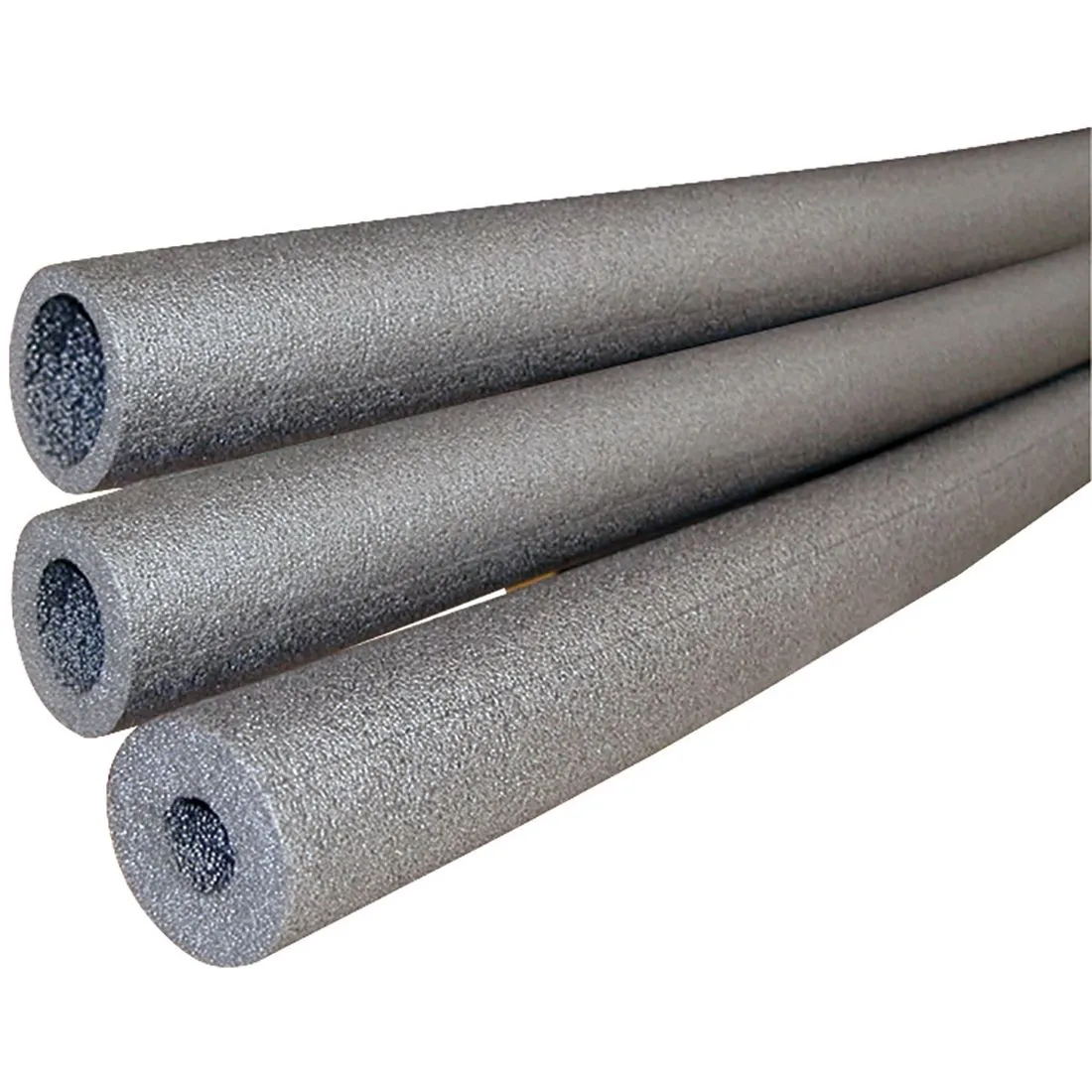
- Lag the outside pipe: DIY, 15 minutes. Cover every exposed section with weatherproof insulation that matches your pipe’s outside diameter. Which? advises a waterproof, UV resistant finish. We stock Armacell 15mm (£4.68) and Armacell 28mm (£11.16) pipe insulation in 2 metre lengths. Confirm the size and outdoor suitability for your pipe first.
- Shorten the outside run: engineer job. Running more of the pipe inside keeps it away from the frost. Ask at your next boiler service.
- Fit a wider pipe: engineer job. A larger pipe is less likely to freeze, so check your boiler maker’s instructions for the right size.
- Add trace heating: engineer job. An electric element warms the pipe in very cold weather, and only a Gas Safe engineer should install it.
- Keep the heating ticking over: DIY, 5 minutes. Never let the house drop below 7°C in a cold snap.
Fancy a wider read? See the HHIC guidance on frozen condensate discharge.
*Prices correct as of November 2026 and are subject to change. Check live product pages for current pricing.
Should I hire or buy a heater while my boiler is out?
If you only need heat for a few days, we’d recommend hiring a heater. Buying makes sense if you’ll use it every winter.
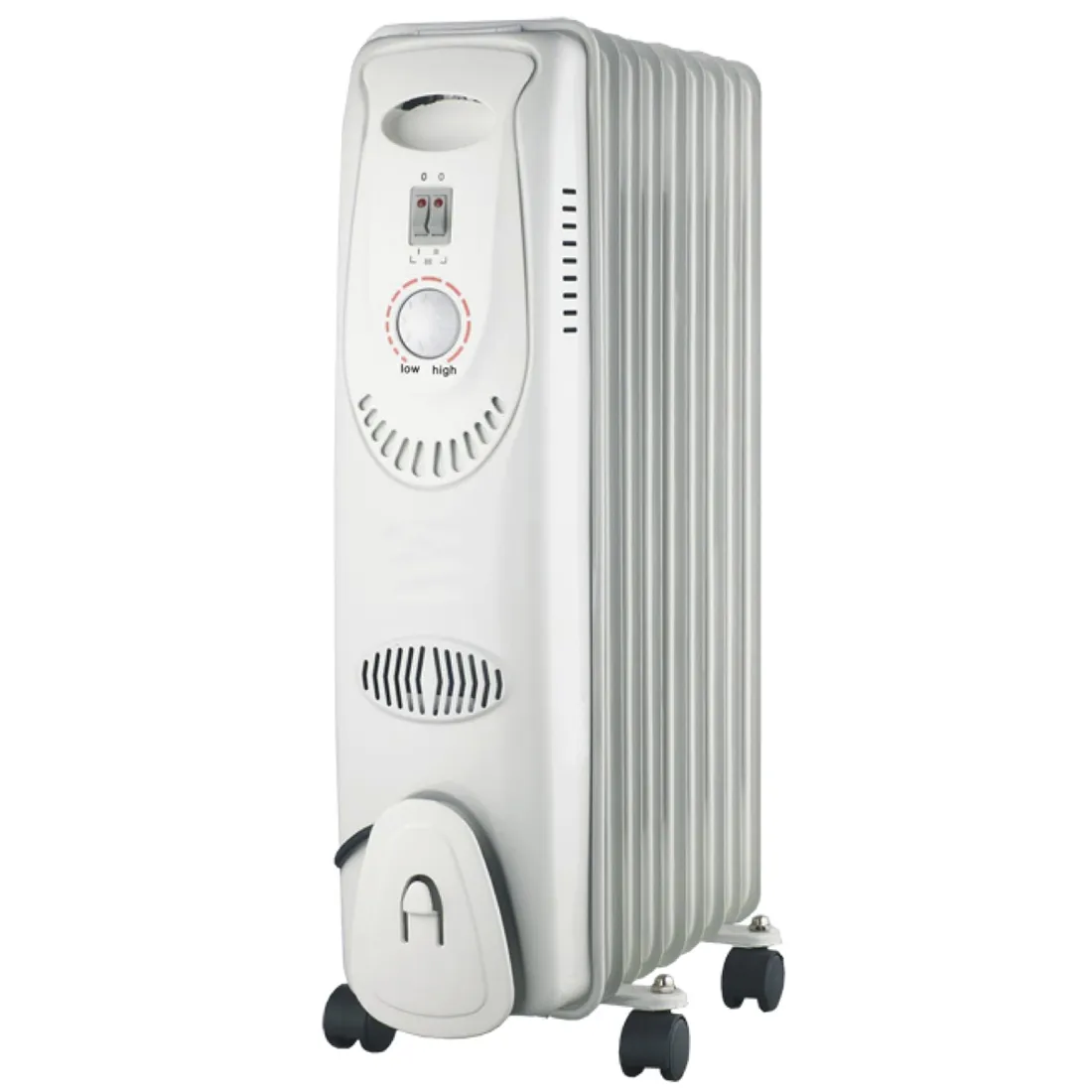
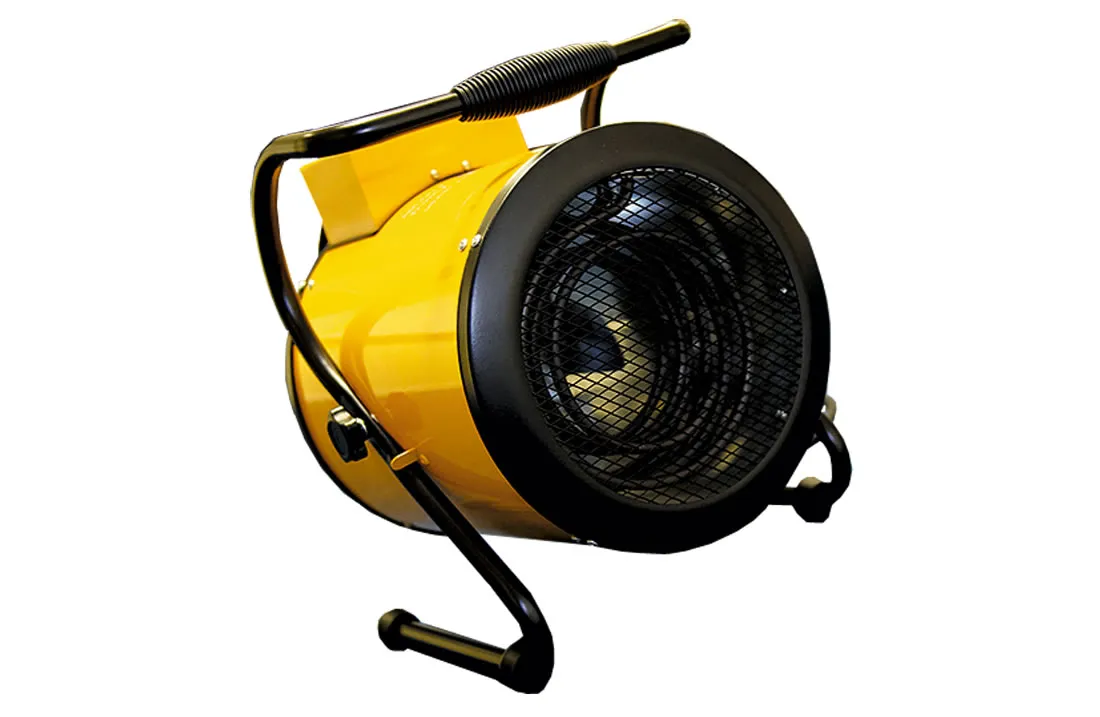
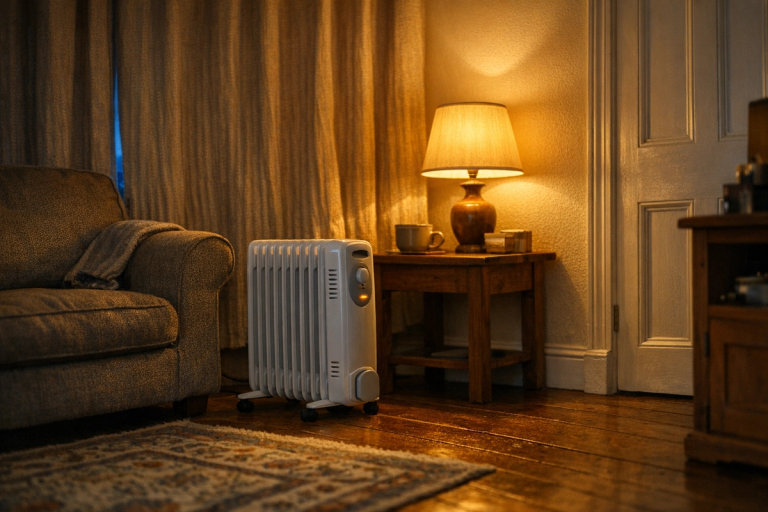
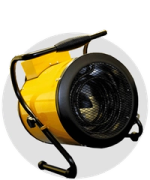
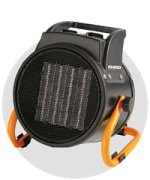
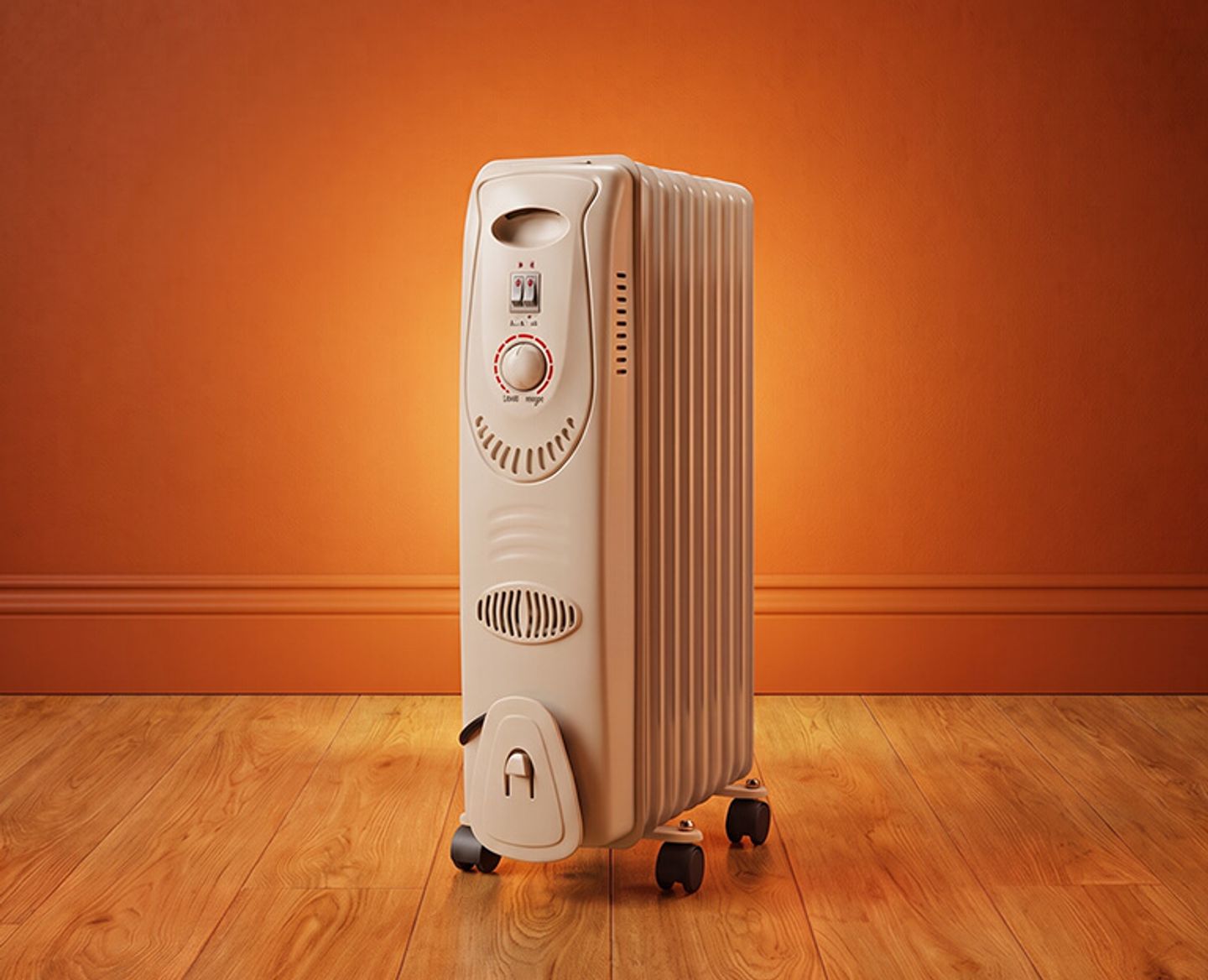
Our Electric Fan Heater 240V has a thermostat, tip-over cut-out and overheat protection, and suits quick spot heating. The Portable Electric Oil-Filled Radiator Heater 240V suits longer stays. Safety note: never plug either into an extension lead.
This table sets the hire and buy options against each other, plus the DIY and engineer routes, so you can see where your money goes.
*Prices are correct as of November 2026 and are subject to change. Check live product pages for current pricing.
How can I stay safe when fixing a frozen pipe?
Health and safety is always important and should be one of the first things we consider before starting a job, especially when working on a boiler. Here’s how to stay safe when fixing a frozen boiler pipe.
- Ice: wear safety footwear and gloves, and grit the path first.
- Heat: use warm water only. No boiling water, blowtorch or heat gun on plastic pipe.
- Heaters: keep them at least one metre from curtains and furniture, plug straight into the wall and never leave them unattended.
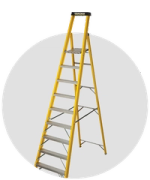
- Height: if the pipe needs a ladder, choose proper step ladders or call an engineer.
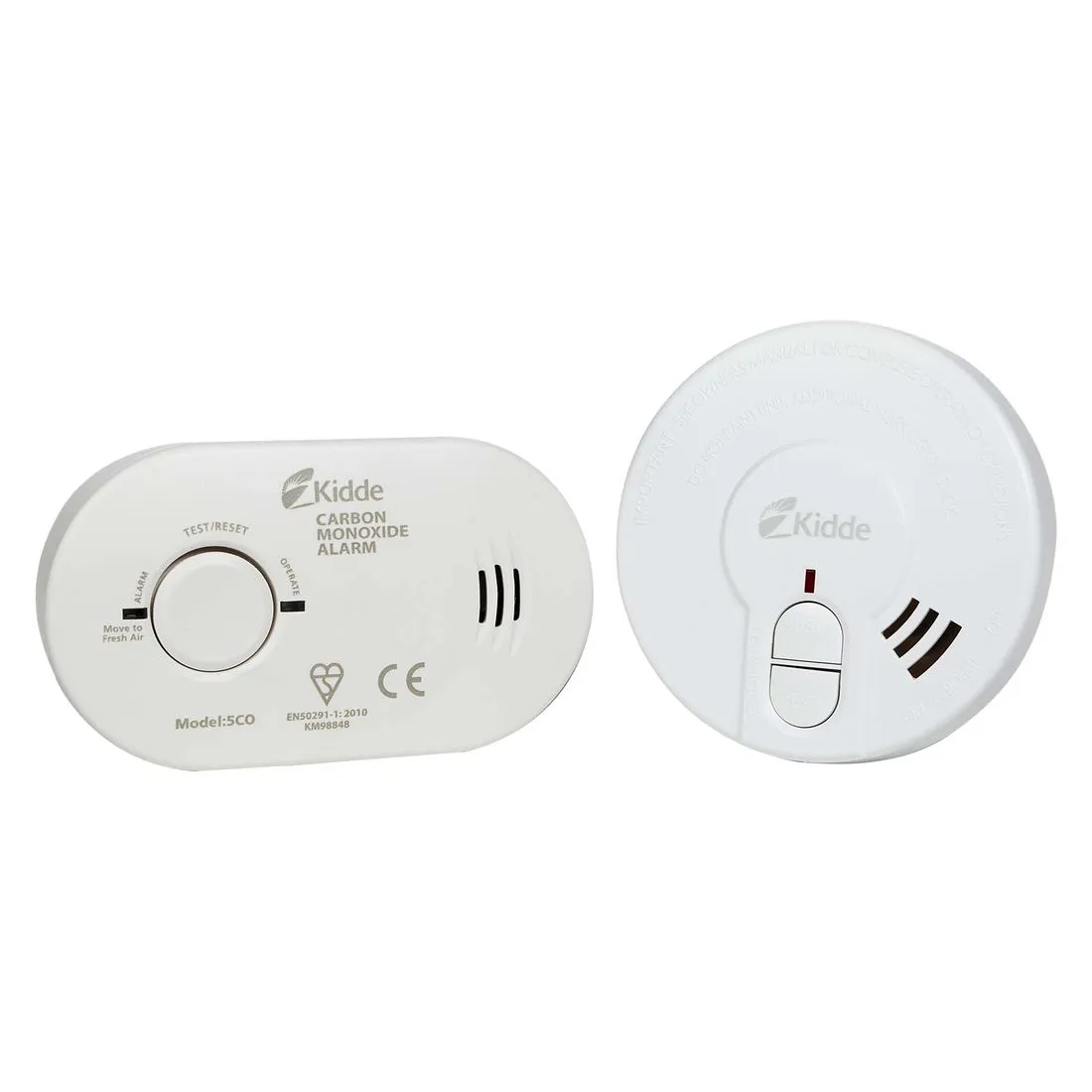
- Gas and CO: fit a smoke and carbon monoxide alarm. If you smell gas, leave and call the National Gas Emergency Service.
Frozen boiler pipe emergency checklist
Use this checklist to make sure you don’t forget anything when you’re fixing your frozen boiler pipes.
☐ Confirmed it has been below freezing and the boiler has locked out
☐ Found the condensate pipe and the frozen section
☐ Gloves, safety footwear and torch ready, path gritted
☐ Kettle boiled and left for 10 to 15 minutes
☐ Warm water poured from the top down
☐ Hot water bottle or heat pack held on the pipe
☐ Boiler reset once, following the manual
☐ Pressure gauge checked against the manual
☐ Pipe lagged, and heater organised if the heating is still off
Frozen boiler pipe FAQs
Can I use boiling water on a frozen condensate pipe?
No, never use boiling water as it will crack the plastic. Let a boiled kettle stand for 10 to 15 minutes first before pouring.
Which fault code means a frozen condensate pipe?
It depends on the make and model, so check your manual or the manufacturer’s website.
Will my boiler restart by itself after the thaw?
Usually you’ll need to reset it once. If it locks out again, call a Gas Safe engineer.
How do I stop my condensate pipe freezing again?
Lag the outside run, keep the heating on low in a cold snap, and ask an engineer about shortening or widening the pipe.
Is it safe to thaw a frozen condensate pipe myself?
Yes at ground level, using warm water. If the pipe is high up or hard to reach, leave it to an engineer.
Thaw out frozen boiler pipes in an emergency with HSS DIY
And there we have it!
Dealing with a frozen boiler pipe in an emergency is a nightmare, however, you’ll be able to fix it in most cases.
A frozen boiler pipe feels like a disaster at 6am, but it’s usually a 30 minute job and a hot water bottle. Thaw the pipe with warm water, reset once, check your pressure, then lag it so you’re not back out there next week in your dressing gown. If the boiler still sulks, call a Gas Safe engineer, and hire a heater while you wait.
Browse our pipe insulation or hire or buy a heater in the same order if you need some heat whilst you’re boiler is getting fixed.
Buy the materials. Hire the tools. One order. All in one place.
Get DIY Happy with HSS DIY: The Home of Great Projects.
Meet the people behind our Tips & Advice
From quick fixes to bigger DIY projects, get to know the people behind the guides helping you get the job done with confidence.