





















⏱ Read time: 8 min | 🌿 Difficulty: Beginner | ⏰ Time: Half a day (4 hrs) to build your plan | 👷 1 person
The short answer: To budget and plan for your 2027 DIY projects - list and rank every job, price all the materials, tool hire and safety kit, then add a 10 to 20% contingency. Match each project to the right UK season, check permissions early and order everything together so you're not paying twice for forgotten bits.
Key takeaways
- Maintenance before makeovers. A fixed gutter saves more than a feature wall.
- Every DIY budget has five lines: materials, tools, safety kit, waste and contingency.
- Hire tools you use once or twice a year. Buy the ones you use monthly.
- Plan around the British weather: indoor jobs in winter, outdoor jobs from spring.
In this guide
- Why plan now?
- Tips 1 to 9: from wish list to final receipt
- A worked DIY budget example
- Your 2027 planning timeline
- Downloadable planning checklist
- FAQs
Why plan your 2027 DIY projects now?
Planning now gives you time to save up, compare prices and hire tools for the dates you need.
Most DIY budgets go over because of small things nobody planned for, like running out of tiles, buying another tin of filler or keeping a hired tool longer than expected. A bit of project planning helps you avoid that.
Here are our 9 budgeting tips on how to plan a DIY project, step by step.
Which DIY projects should you tackle first in 2027?
Start with jobs that stop problems getting worse, the quicker they are sorted, you’ll feel better. Maintenance before makeovers.
Walk round the house and garden with a notepad, list every DIY project you fancy, then sort them into 3 lists:
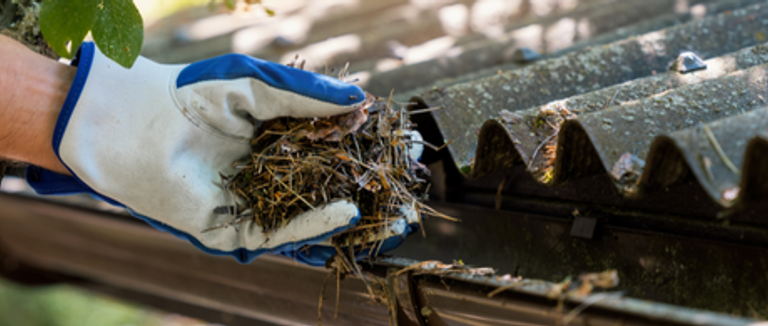
- Must do: repairs that cost more if left, like blocked gutters or a dripping tap.
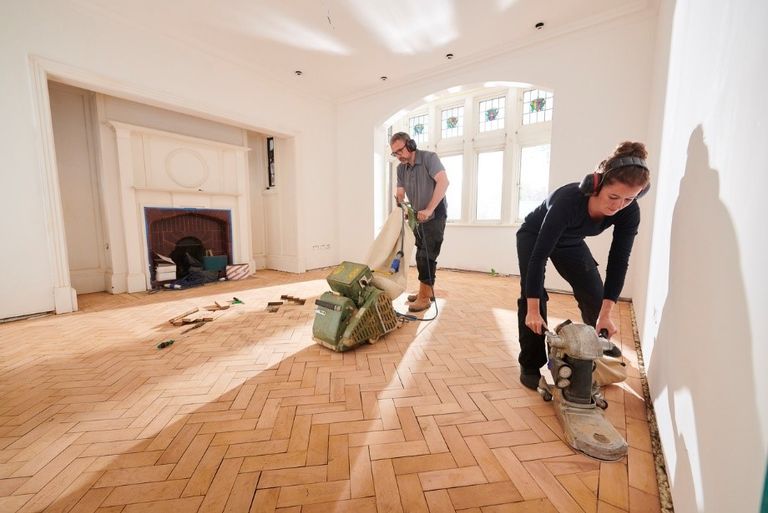
- Should do: improvements, such as extra storage or sanding tired floorboards.
- Would like: the feature wall, the new patio, the garden glow-up.
HSS DIY tip: Be honest about the "would like" list. Three projects done well beats seven half-finished ones.
How to create a budget for a DIY project
Split every job into five costs and price each one separately. Once each line has a real number, your total stops being a guess.
- Materials: e.g paint, tiles, timber, adhesive, fixings.
- Tools: what you will hire or buy.
- PPE (personal protective equipment): masks, gloves, goggles, ear defenders.
- Waste: a skip, rubble bags or tip runs.
- Contingency: your safety net for surprises.
Creating a budget this way gives you a realistic figure to work to. If you only budget for paint, it’s easy to forget the dust sheets, a spare roller and a trip to the tip.
HSS DIY tip: Price items from the place you will actually buy them instead of guessing the cost.
How much contingency should you add to a DIY budget?
We recommend setting aside 10 to 20% of the total project cost. Head towards 20% for older homes or any job that involves opening up walls or floors.
A contingency fund covers what you can't see coming: rotten boards under the carpet, blown plaster behind the wallpaper, or the classic "we need more grout".
HSS DIY tip: Keep contingency in a separate pot so you’re not tempted to use it elsewhere.
Figure out the best time of year for each DIY project
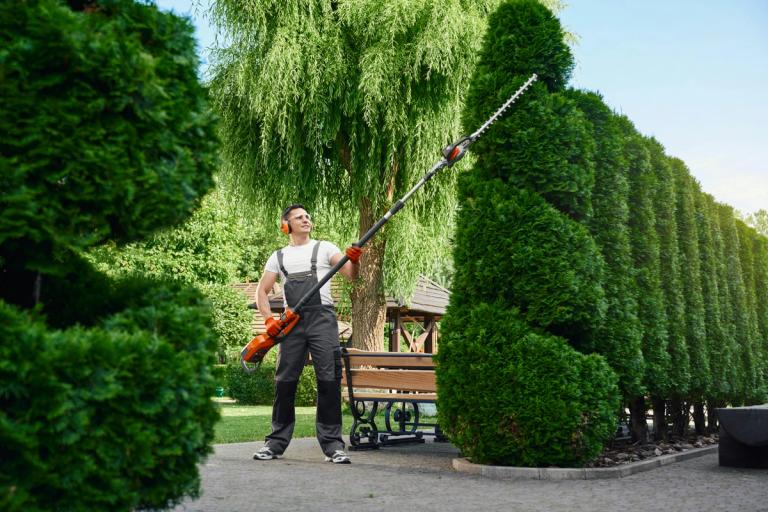
It’s no secret that British weather can be, shall we say, temperamental. Working with the weather and not against it, saves time and money.
Do all your indoor jobs in winter, outdoor work in spring and summer, and maintenance in autumn.
The table below spreads typical 2027 DIY projects across the year and shows when to get your tools and materials sorted.
HSS DIY tip: Bank holidays are busy for hire, so book early if you fancy a long weekend of sanding.
Should you hire or buy DIY tools?
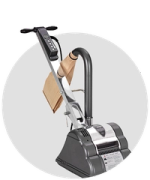
Hire what you'll use once or twice a year and buy what you'll use monthly. Big, specialist kit like a floor sander nearly always makes more sense to hire.
The hire period is how long you keep the tool and that’s what drives the price. The table below compares popular tools on hss.com (prices inc VAT, correct November 2026).

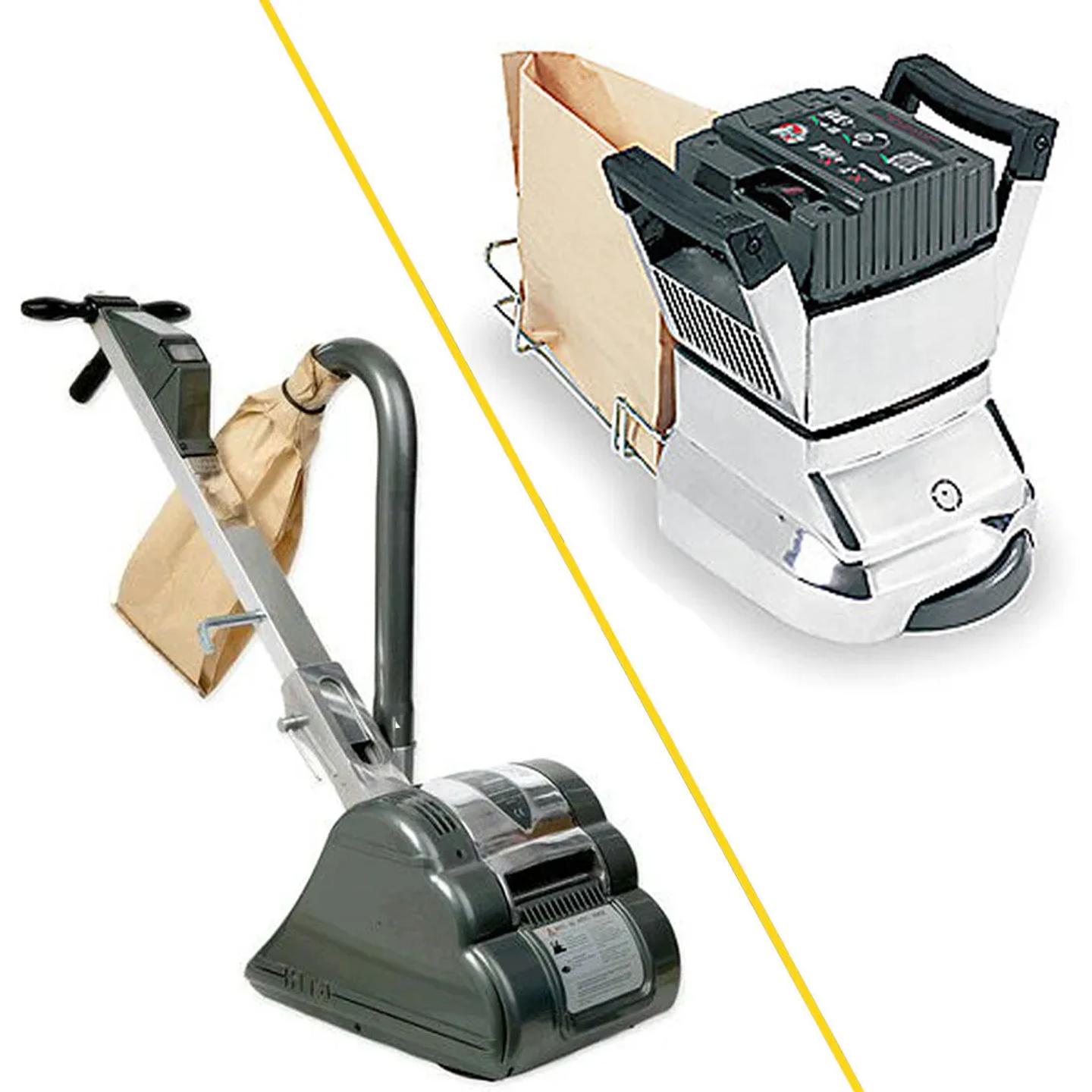
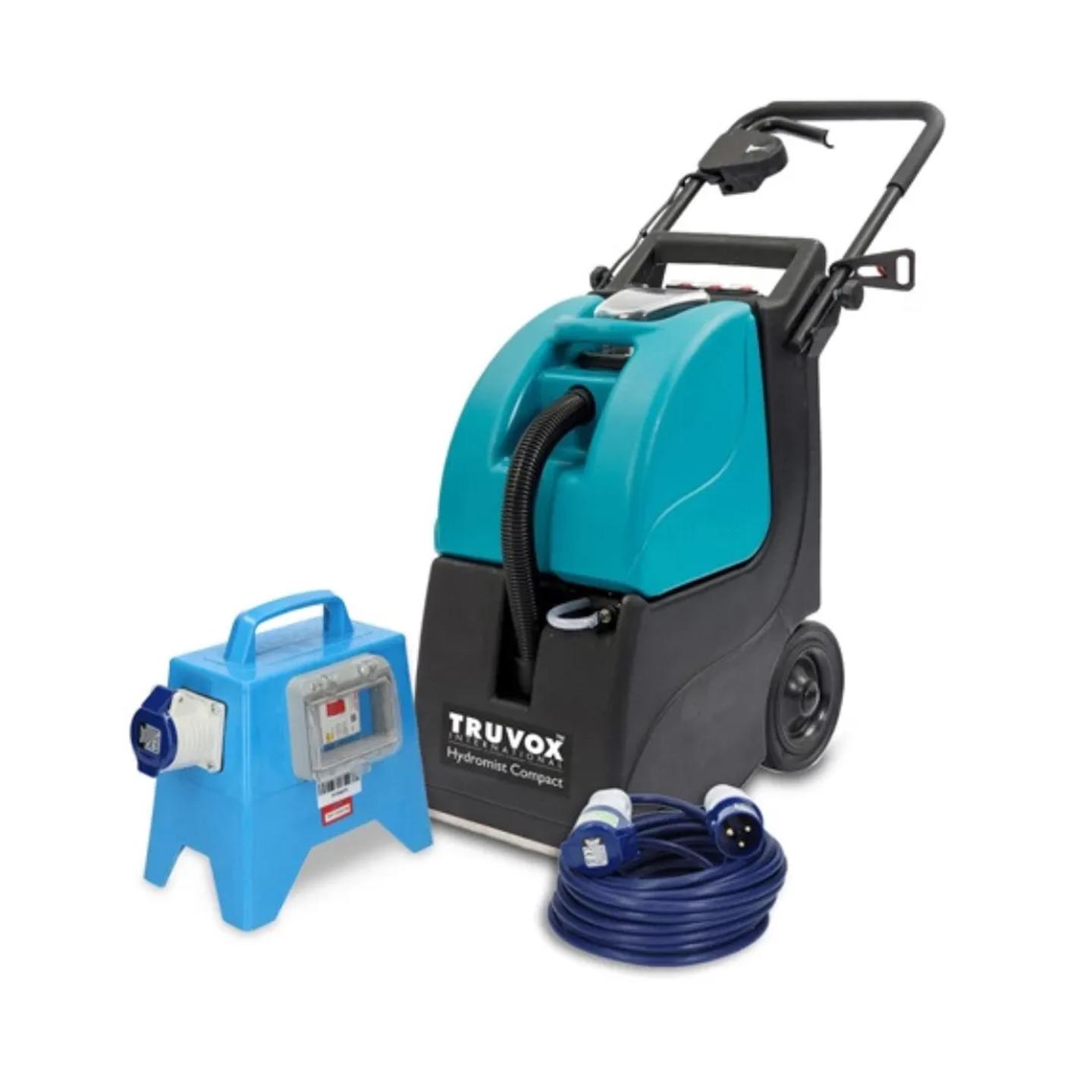
New to the kit? Watch How to use a wallpaper stripper and How to sand wooden floors on our YouTube channel.
HSS DIY tip: Hire and there's nothing to store. Your shed will thank you.
How do you work out how much material you need?
- Multiply length by height (or width) in metres to get square metres.
- Divide that by the coverage printed on the tin, box or bag.
- Add a wastage allowance, the extra that covers offcuts and breakages. Around 10% is a common rule of thumb for tiling, more for diagonal layouts.
- Buy paint, tiles and wallpaper from one batch, as shades can vary between batches.
HSS DIY tip: Write measurements on your plan, not an envelope destined for the recycling.
What permissions and safety checks do you need before you start?
Most interior makeovers don't need planning permission, but extensions, some exterior changes and listed buildings might need it. Any gas work must always be done by a Gas Safe registered engineer.
Check the Planning Portal before anything structural or external. Some jobs are notifiable work, meaning building control must be told. In England, adding a new electrical circuit is one, so read Electrical Safety First's advice for DIYers. Need to find a gas engineer? You’ll find a suitable one on the Gas Safe Register.
Then, you’ll need to budget for safety kit like:
- Dust masks for sanding and wall prep.
- Safety glasses and goggles for cutting, drilling and steaming.
- Gloves for rough timber, chemicals and hot steam.
- Ear defenders for noisy kit like floor sanders.
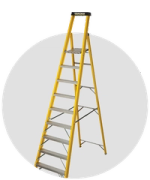
- Ladders and steps, used in line with HSE ladder guidance.
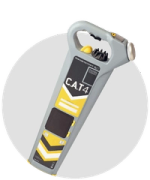
HSS DIY tip: Check for hidden cables and pipes before drilling. Finding one with a drill bit is an expensive way to do it.
How long will your DIY project take, and how many people do you need?
To figure out how long projects will take, estimate hours needed per task, then convert to days using 8 hours as one working day. Make sure to add on any keen (or not so keen!) helpers for anything heavy or high up.
Split the job into prep, main work, drying time (if painting) and clean-up. Be mindful when planning, that wet paint can make plans come unstuck, so check the drying times on the paint tin. As a rough guide:
- Putting up a single wall shelf: 1 to 2 hours, 1 person.
- Fitting alcove shelving: half a day (4 hrs), 1 to 2 people.
- Painting a room: around 1 day (8 hrs), 1 person, including drying time between coats.
- Stripping wallpaper: allow 15 minutes for the steamer to heat up, then leave the walls to dry overnight before painting. 1 person.
- Sanding a wooden floor: a weekend (2 days), 2 people, plus drying time for the finish.
- Laying a patio or big landscaping jobs: 3 people plus.
Book your hire for the days you’ll actually use the tool.
HSS DIY tip: Booking time off? Add a day. Nobody finishes a DIY project early.
How can you keep your DIY spending on track?
Write down everything you spend and compare it with your budget as you go.
A spreadsheet works wonders for tracking budgets. List each item, what you planned to spend and what you actually spent. For your wider household budget, try the free MoneyHelper budget planner. Buying your materials and hiring your tools from HSS DIY in one order also keeps your costs in one place.
HSS DIY tip: Check your spending halfway through. If you’re over, swap to cheaper materials before you buy them.
What does a DIY budget look like in practice?
Sometimes it’s easier to see something rather than reading about it. So we’ve put together an example of a winter bedroom refresh budget for you.
This example budgets for materials and tools to strip wallpaper, paint walls to sand the floorboards.
- Materials (paint, filler, sanding sheets, lacquer): £180*
- Tools: wallpaper steamer £24.70* plus floor and edge sander pack £75.60* = £100.30*
- PPE: £30*
- Waste: £0 (recycling centre)
- Subtotal: £310.30*
- Contingency at 15%: £46.55
- Total budget: £356.85*
*All material and PPE figures are examples, not live prices.
⏰ About 3 days (24 hrs) including drying time | 👷 2 people (the sander is heavy on stairs)
Your 2027 DIY planning timeline
Start planning now and you’ll be ready to begin your first project in January. Here’s what to do and when.
- Week 1: project wish list written and ranked.
- Week 2: measurements taken, budget priced, contingency added.
- Week 3: projects mapped to seasons, rough dates set.
- Week 4: permissions checked, professionals booked, hire dates pencilled in.
- 2 to 4 weeks before each project: tools and materials ordered.
- After each project: check actual spend compared with budget.
Need planning permission? Allow around 8 weeks for a decision before that project can start.
Your 2027 DIY project planning checklist
This checklist breaks your planning down job by job to help make sure you don’t forget anything for future projects. Screenshot or print it off and tick as you go.
☐ Wish list ranked
☐ Areas measured in square metres
☐ Materials priced plus wastage
☐ Tools marked hire or buy
☐ PPE listed per task
☐ Waste disposal sorted
☐ Contingency of 10 to 20% added
☐ Planning and building control checked
☐ Gas or electrical pros booked
☐ Projects matched to seasons
☐ Hours converted to days (8 hours = 1 day)
☐ Helpers lined up
☐ Hire booked and materials ordered
☐ Spending tracked
FAQs
How much should I budget for DIY projects in 2027?
There is no single figure. Price each job line by line and add 10 to 20% contingency, rather than picking a round number and hoping.
How far in advance should I plan a DIY project?
Allow 2 to 4 weeks to order tools and materials for most jobs. Anything needing planning permission or a tradesperson can take months, so start early.
What is the best DIY project for a beginner?
Painting a room or cleaning carpets. Both need few tools, carry little risk of costly mistakes and give quick results.
Can I extend my hire if a job overruns?
Absolutely. Log in to your HSS DIY account to extend your hire and track your deliveries. Get in touch with our live chat team if you need any support.
Can I hire tools and buy materials in the same order?
Yes, on hss.com you can hire and buy in one order, online 24/7.
Ready to make 2027 your year of great projects?
And just like that, you’ve planned your 2027 DIY projects!
A good plan won't lay your patio for you, but it will stop it costing double. Now you know how to budget and plan for your 2027 DIY projects, this could be the year the to-do list finally gets done.
At HSS DIY, you can hire tools or buy materials online 24/7, with next day delivery on lots of products and project bundles that take out the guesswork.
Good luck! and don’t forget to share any projects with us on our insta page.
Buy the materials. Hire the tools. One order. All in one place.
Get DIY Happy with HSS DIY: The Home of Great Projects.
Meet the people behind our Tips & Advice
From quick fixes to bigger DIY projects, get to know the people behind the guides helping you get the job done with confidence.