


⏱ Read time: 7 min | 🌿 Difficulty: Beginner | ⏰ Time: Half a day (4 hrs) | 👷 1 person
Quick answer - To secure garden furniture in a storm, bring light pieces and cushions indoors, cover or strap whatever has to stay out, and weigh down or anchor anything tall or bulky, such as parasols, gazebos and trampolines. The whole job takes about four hours. Check the Met Office warnings first so you know how much time you have.
Key takeaways
- Check the Met Office warnings early. Amber or red means start now.
- Light furniture and cushions go indoors, ideally in a garden storage box or shed.
- Heavy pieces that stay out need waterproof covers, straps and a fixed point.
- Parasols, gazebos and trampolines need their own plan.
- After the storm, check for damage before you tidy, then wash everything down.
In this guide
- How do I know when to prepare my garden for a storm?
- What should I do with garden furniture before a storm?
- Is it better to store, cover or anchor garden furniture?
- What should I do after the storm?
- Should I hire or buy a pressure washer?
- What health and safety points should I keep in mind?
- How long does it take to prepare for a storm?
- Storm prep checklist
- Frequently asked questions
- Ready to batten down the hatches?
How do I know when to prepare my garden for a storm?
Start as soon as the Met Office issues a wind warning for your area. Yellow means keep an eye on things, amber means a higher chance of damage to property, and red means act now. The Met Office UK Storm Centre shows what is heading your way, and its advice is to secure loose items outside, if it is safe to do so.
Do the prep while it is still dry and breezy, not once the wheelie bin has started doing laps of the street.

What should I do with garden furniture before a storm?
Work through these five tips in order, starting with the pieces most likely to take off. Each one has the kit needed to secure it as well as the time it’ll take, so you can plan your afternoon.
Tip 1: Bring light furniture indoors
Anything you can lift with one hand is a flying object waiting for a gust, so it comes inside. That means plastic chairs, bistro sets, planters and ornaments. Yes, even the gnome.
Pop them in the garage, porch or even the spare room will do. Lift with your legs, make two trips rather than one heroic one, and have a look at the HSE manual handling guide if your back is already complaining.
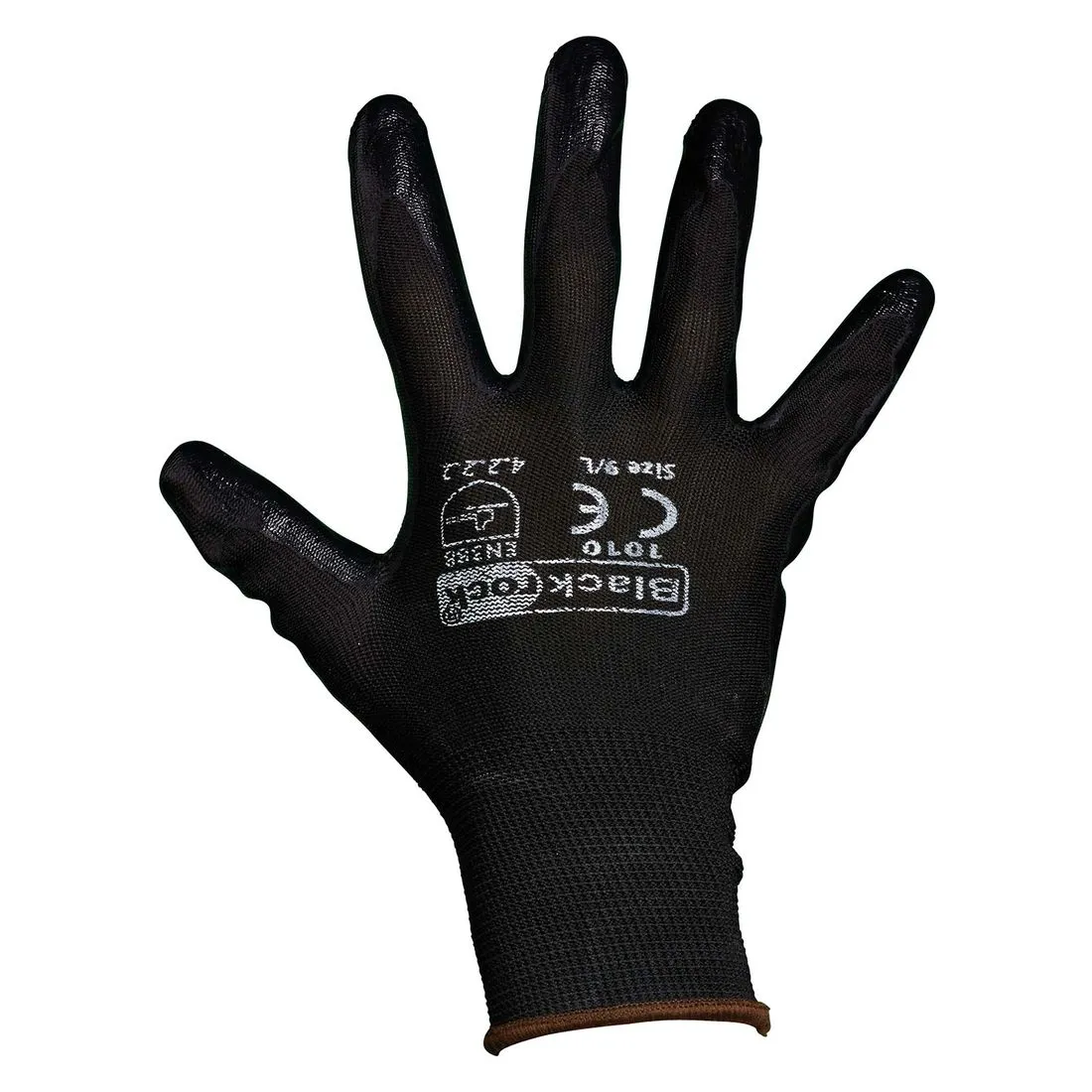
Kit: work gloves. Time: 30 minutes.
Tip 2: Store cushions and glass tops in a garden storage box or shed
Cushions soak up water like a sponge, and glass table tops can lift and shatter in gale force winds, so both need putting away. A garden storage box or shed is the safest home for them.
No shed? Our garden and garage storage range has options, including the Dellonda galvanised steel pent roof shed. Sizes start at £209.98*, with the 151 x 151 x 200cm at £275.98*.
Kit: a garden storage box or shed. Time: 45 minutes.
Tip 3: Cover and strap whatever has to stay outside
Heavy pieces, such as a solid table or a big rattan set, can often stay out if they are covered and tied down. A loose cover is basically a sail, so the fastenings matter.
Choose waterproof garden furniture covers with ties or elasticated hems. Push chairs together, stack them if they stack, and tie the bundle to a solid fixed point. Give each knot a proper tug.
Kit: covers with fastenings, rope or straps. Time: 45 minutes.
Tip 4: Weigh down or anchor parasols, gazebos and trampolines
Anything tall a wide things catch the most wind, so they need more than a stern look. This is the trampoline and gazebo storm safety bit, and it is worth getting right.
- Parasols: close them, remove the canopy if it comes off and store the base.
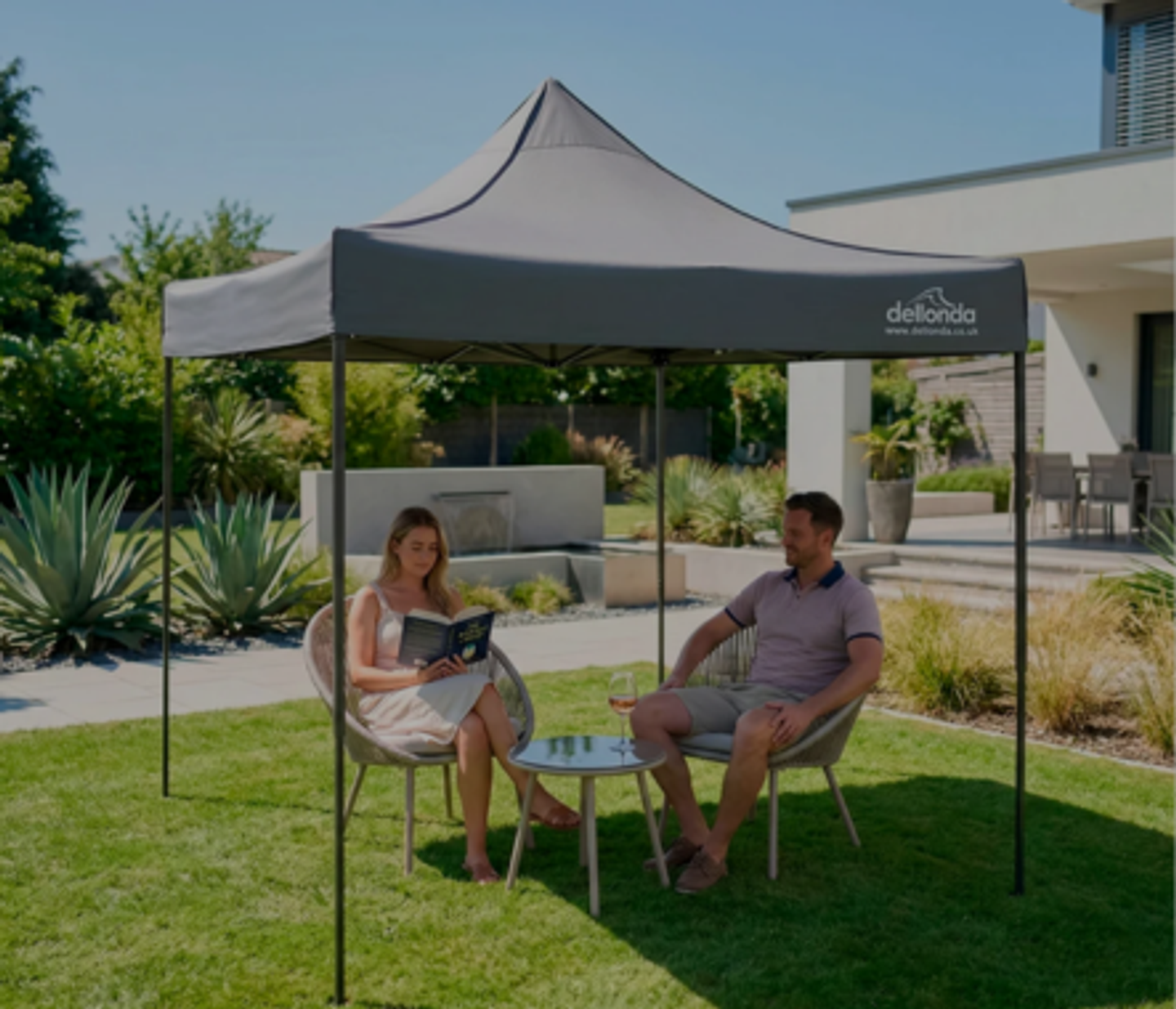
- Gazebos: weights help in a breeze, but a storm is another matter, so take a pop-up gazebo down and pack it away. Our Dellonda Premium 3x6m pop-up gazebo comes with a carry bag and weights at £199.48*, which makes packing away easier.
- Trampolines: follow the manufacturer's anchoring advice. A big one is a two-person job, so ask a neighbour.
Kit: weights, plus an anchor kit if your manual calls for one. Time: 1 hour.
Tip 5: Tidy the rest of the garden
Furniture is not the only thing that goes walkabout. Bins, pots, barbecues, tools and toys all get tossed around in strong winds.
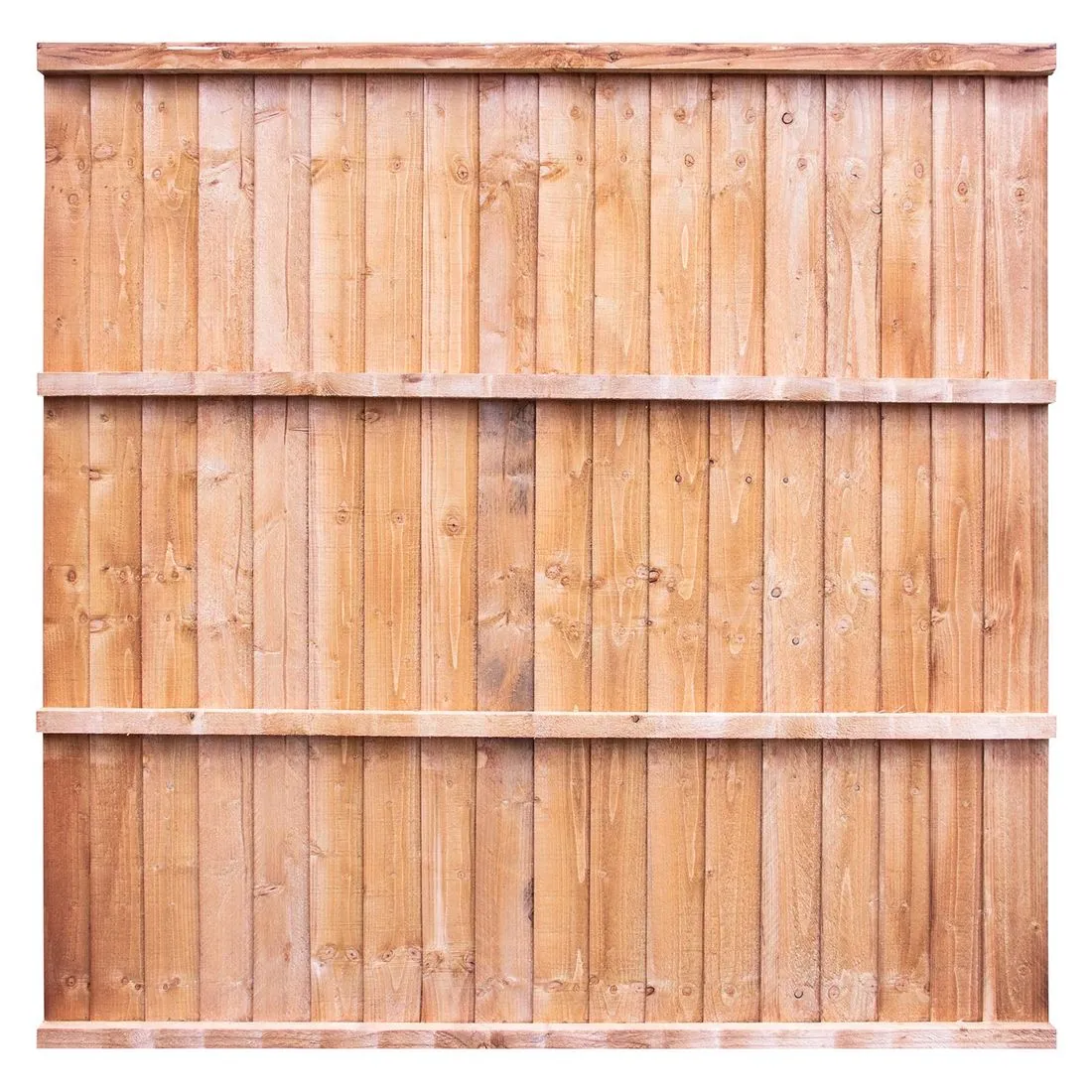
Move them into the shed or garage where you can, and only tuck heavy items against a wall. Then check the shed door latches and the fence panels are firm. Minor wobbles can be sorted with our fencing and fixings ranges. Leave hedge trimming and ladder work for calmer weather.
Kit: a quick walk round the garden. Time: 45 minutes.
*Prices are correct as of November 2026 and are subject to change. Check live product pages for current pricing.
Is it better to store, cover or anchor garden furniture?
This table shows which method suits which job, so you can pick the right one for each piece.
What should I do after the storm?
Check the garden is safe to walk around in, photograph any damage, then clear up any mess and wash down anything mucky.
- Safety check: look from a distance before you step out. Keep well away from fallen power lines and report them to your network operator. Watch for broken glass, loose fence panels and hanging branches.
- Spot the damage: look for cracked frames, bent legs, torn covers and missing fixings. Photograph anything you might need to show your insurer before you move it.
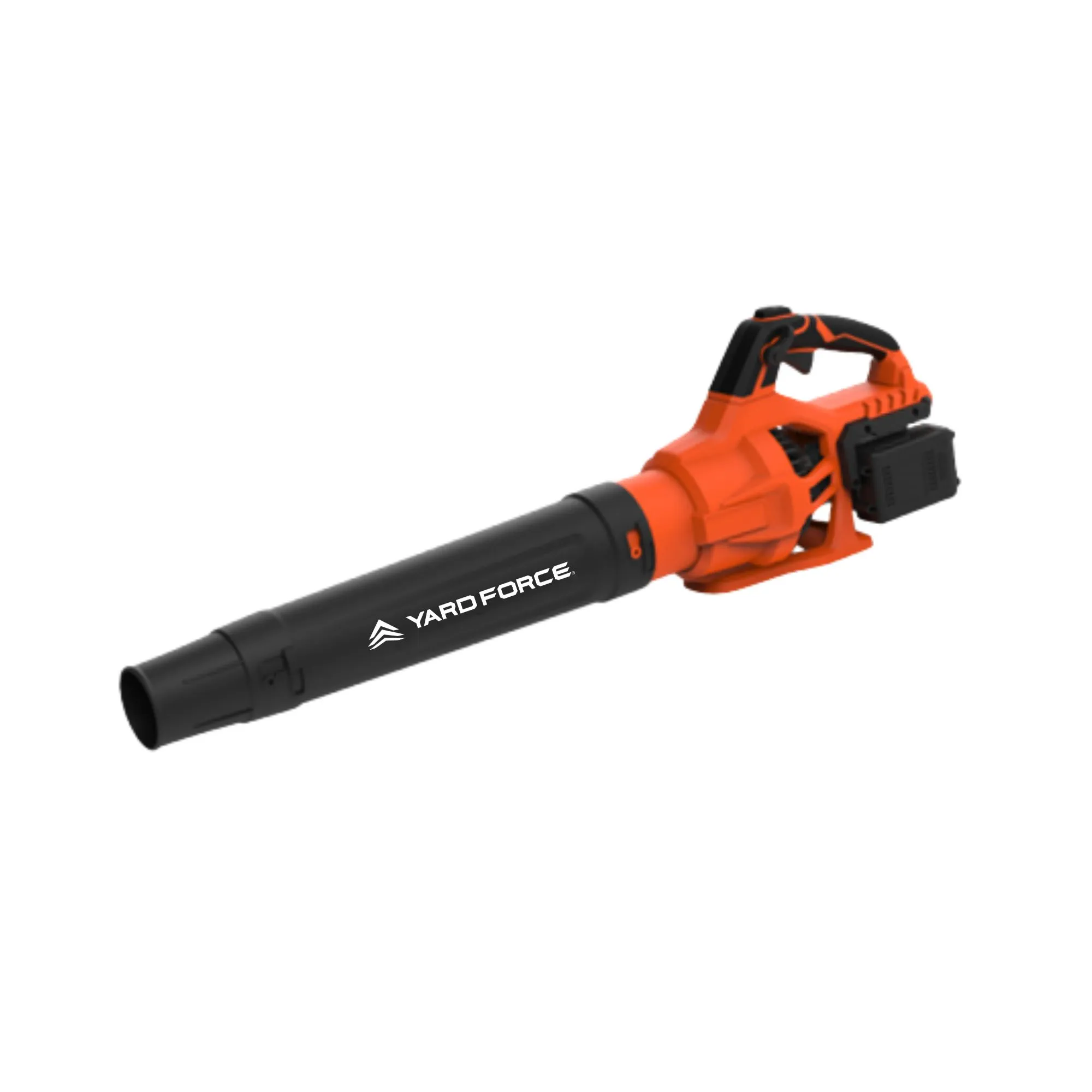
- Clear the debris: leaves, twigs and a surprising amount of next door’s trellis. A cordless blower to hire starts at £46.20 and clears paving quickly.
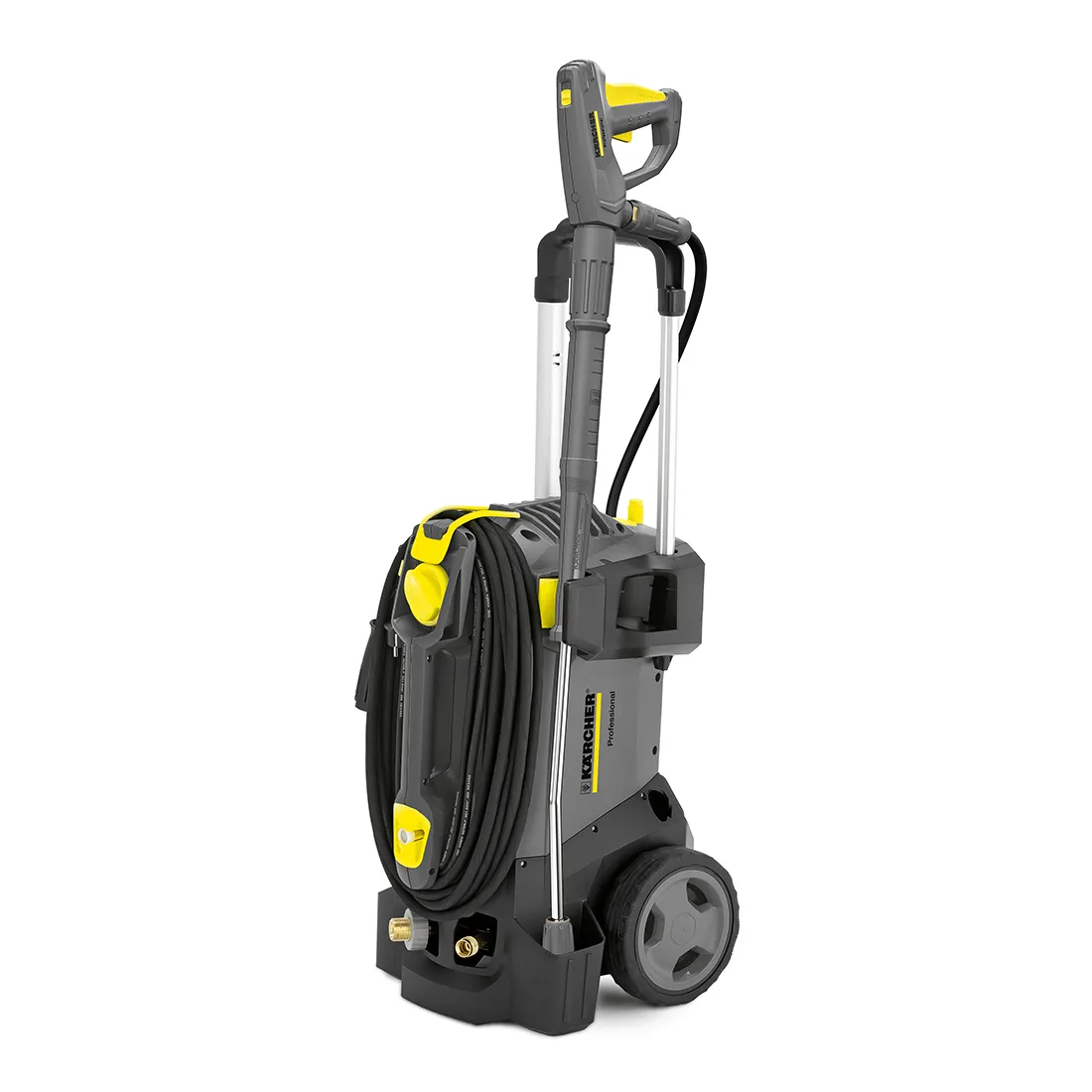
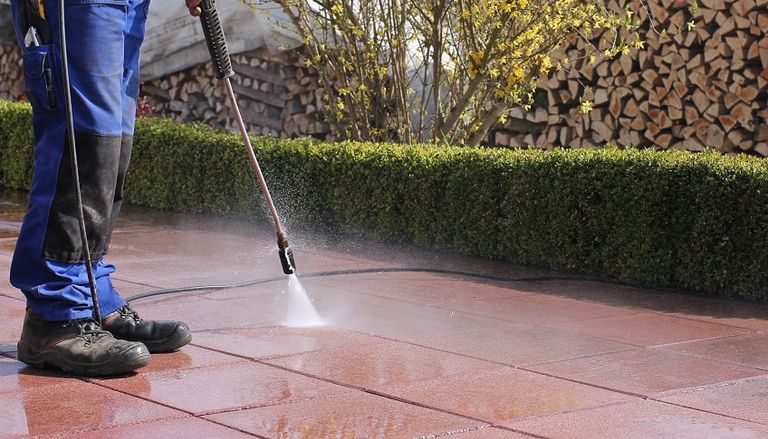
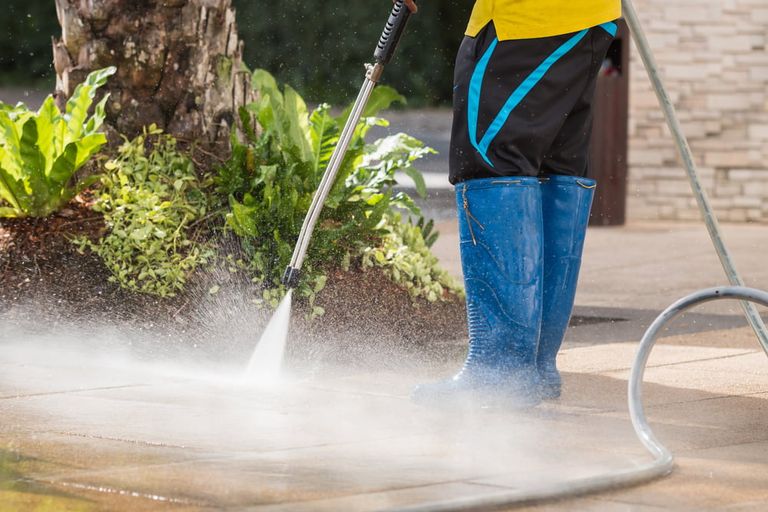
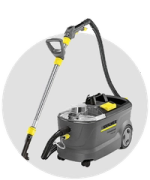
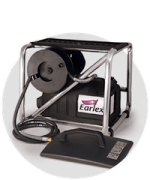
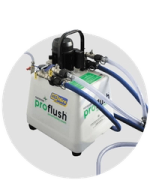
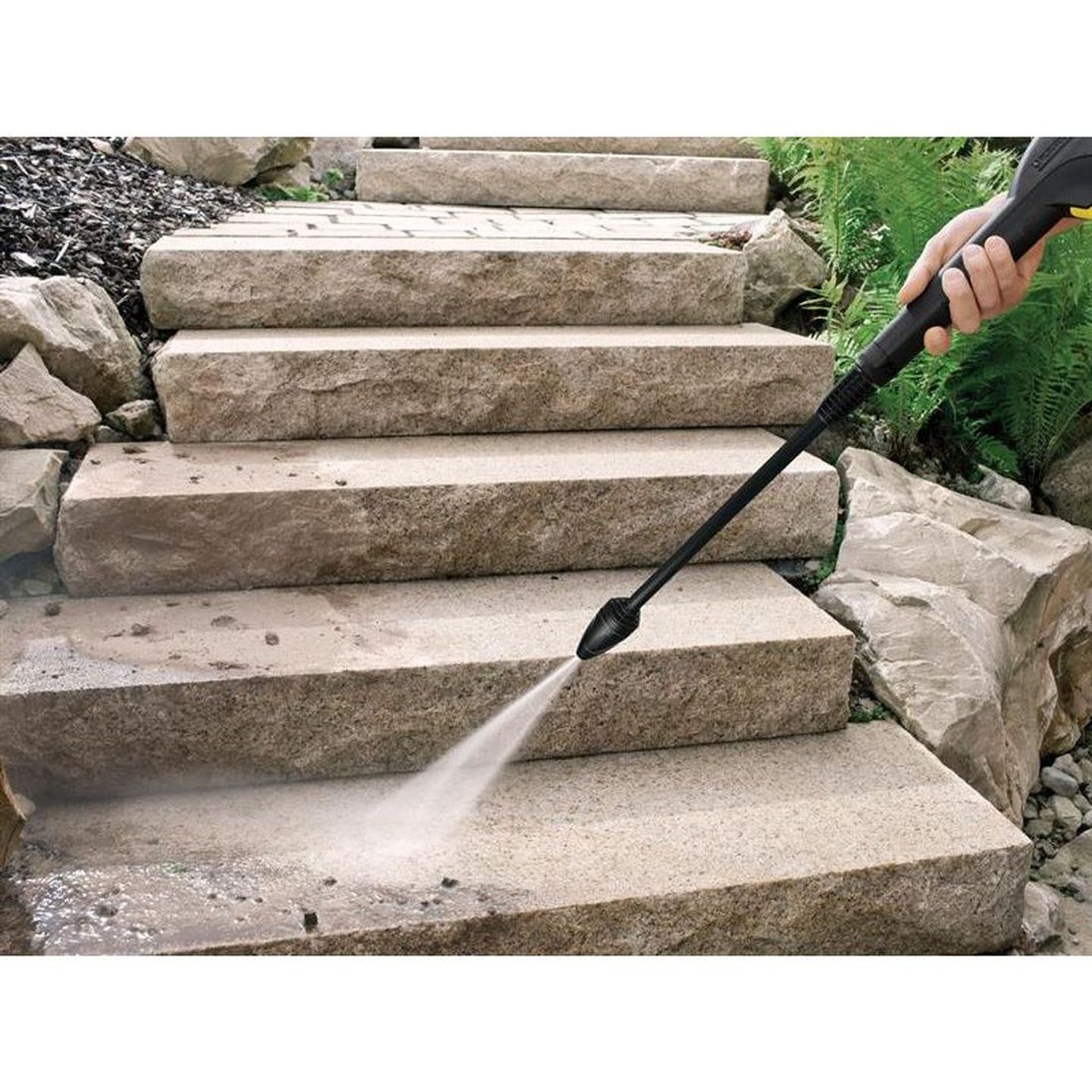
- Wash it down: storm rain splashes mud and grit about. A 130 bar pressure washer to hire suits patios and other hard surfaces. Keep it off cushions, and test furniture such as rattan in a small spot first.
Never used a pressure washer? Watch our Karcher pressure washer how-to video on our YouTube channel.
Should I hire or buy a pressure washer?
This table compares hiring and buying the kit used in this guide for securing garden furniture and clearing up after the storm, so you can see what suits how often you will use it.
What health and safety points should I keep in mind?
Storm weather brings slippery ground, loose debris and awkward loads, which makes a rushed job an easy way to get hurt. A few minutes of care now keeps the whole project, and you, in one piece.
- Finish before the weather turns, and never go up a ladder in the wind.
- Lift properly and share heavy loads, as the HSE guidance explains.
- Wear gloves, safety glasses and safety footwear when moving furniture and clearing debris. Our PPE range has the lot.
- For a pressure washer, the hire page lists earplugs, goggles, gloves and safety footwear. Never point the jet at people or pets.
- Find more advice on our health and safety page.
How long does it take to prepare for a storm?
Most gardens take about four hours, so one morning or afternoon does it. Bigger gardens and large trampolines take longer, so start as soon as a warning appears.
- Check the warning and gather your kit: 15 minutes.
- Bring light furniture indoors: 30 minutes.
- Store cushions and glass tops: 45 minutes.
- Cover and strap what stays out: 45 minutes.
- Weigh down or anchor parasols, gazebos and trampolines: 1 hour.
- Tidy the rest of the garden: 45 minutes.
Storm prep checklist
You can never be too prepared for a storm. Get one step ahead of it with this storm prep checklist.
☐ Checked the Met Office warning
☐ Gathered gloves, rope or straps and covers
☐ Light chairs, tables and planters indoors
☐ Cushions and glass tops stored
☐ Heavy furniture covered and tied to a fixed point
☐ Parasol closed and stored
☐ Gazebo taken down or weighted
☐ Trampoline anchored to the manual
☐ Bins, tools and toys put away
☐ Shed door and fence panels checked
☐ After the storm: safety check done
☐ Debris cleared
☐ Furniture washed
☐ Damage photographed
Storm related frequently asked questions
Can you leave garden furniture outside in a storm?
You can, if it is heavy, covered and fixed in place. Light chairs, loungers and cushions should come in, because even a modest gust can send them across the lawn and into the fence, or the neighbours.
Is it safe to secure garden furniture once the storm has started?
Not if the weather has already turned. The Met Office advises securing loose items only if it is safe to do so, and no table or trampoline is worth an injury. If it is too late, stay inside and sort it once the wind drops.
How much wind can garden furniture withstand?
There is no single figure, because it depends on weight, shape and how exposed your garden is. Treat any amber or red warning as your signal to secure everything, rather than finding out the hard way.
Should I cover or store garden furniture in winter?
Store it if you have the space, as a dry shed or garden storage box protects best. If it has to stay out, use covers with fastenings and put them on only once the furniture is dry as trapped damp invites mould.
Can I use a pressure washer on garden furniture?
On sturdy frames and hard surfaces, yes. Use a wide spray, start in a small spot and check the furniture’s care instructions first. Keep the jet well away from cushions.
What is the best trampoline and gazebo storm safety advice?
Follow the manufacturer's instructions, anchor a trampoline properly and take a pop-up gazebo down before the worst arrives. Never use them as shelter!
Secure your garden furniture before a storm with HSS DIY
And relax! You’ve managed to secure the garden furniture before the storm arrives.
By following these five tips and using half a day, you won’t waste any time chasing patio chairs down the road. Bring in what you can, cover and strap what you cannot, anchor the tall stuff and tidy the rest, then check for damage once the wind drops.
If the storm leaves a mess, we have the pressure washers and blowers to hire and the sheds, gazebos and fixings to buy. You can order online with HSS DIY 24/7 with next day delivery or you can choose to click & collect from a local HSS DIY partner branch. Do keep an eye out for each parcel, as an order with several items can arrive separately.
Buy the materials. Hire the tools. One order. All in one place.
Get DIY Happy with HSS DIY: The Home of Great Projects.
Meet the people behind our Tips & Advice
From quick fixes to bigger DIY projects, get to know the people behind the guides helping you get the job done with confidence.