















⏱ Read time: 8 min | 🌿 Difficulty: Beginner | ⏰ Time: 1 hour to set up, then drying time | 👷 1 person
Quick answer - The main downsides of a dehumidifier are running costs, noise, poor performance in cold rooms, emptying and cleaning, and drying the air too much. It also can't fix the cause of damp. At HSS DIY, we find most of these are easy to manage with the right unit and setup.
Key takeaways
- A 395W unit costs about £2.50 over 24 hours of non-stop running.
- Compressor models struggle below about 15°C, so cold rooms need a unit built for low temperatures.
- A pump or drain hose stops a full tank switching the unit off.
- Clean the tank and filter regularly to avoid musty smells and poor performance.
- A dehumidifier treats moisture, not the cause, and won't kill existing mould.
In this guide
- What are the main downsides of a dehumidifier?
- Do dehumidifiers use a lot of electricity?
- Are dehumidifiers noisy?
- Do dehumidifiers work in cold rooms?
- How do you stop the tank filling up?
- How do you keep a dehumidifier clean?
- Can a dehumidifier make you feel unwell?
- Will a dehumidifier fix damp and mould?
- When should you not use a dehumidifier?
- Is it cheaper to hire or buy a dehumidifier?
- What safety points should you consider?
- How long does it take to dry a room?
- Dehumidifier checklist
- Is a dehumidifier worth it?
- FAQs
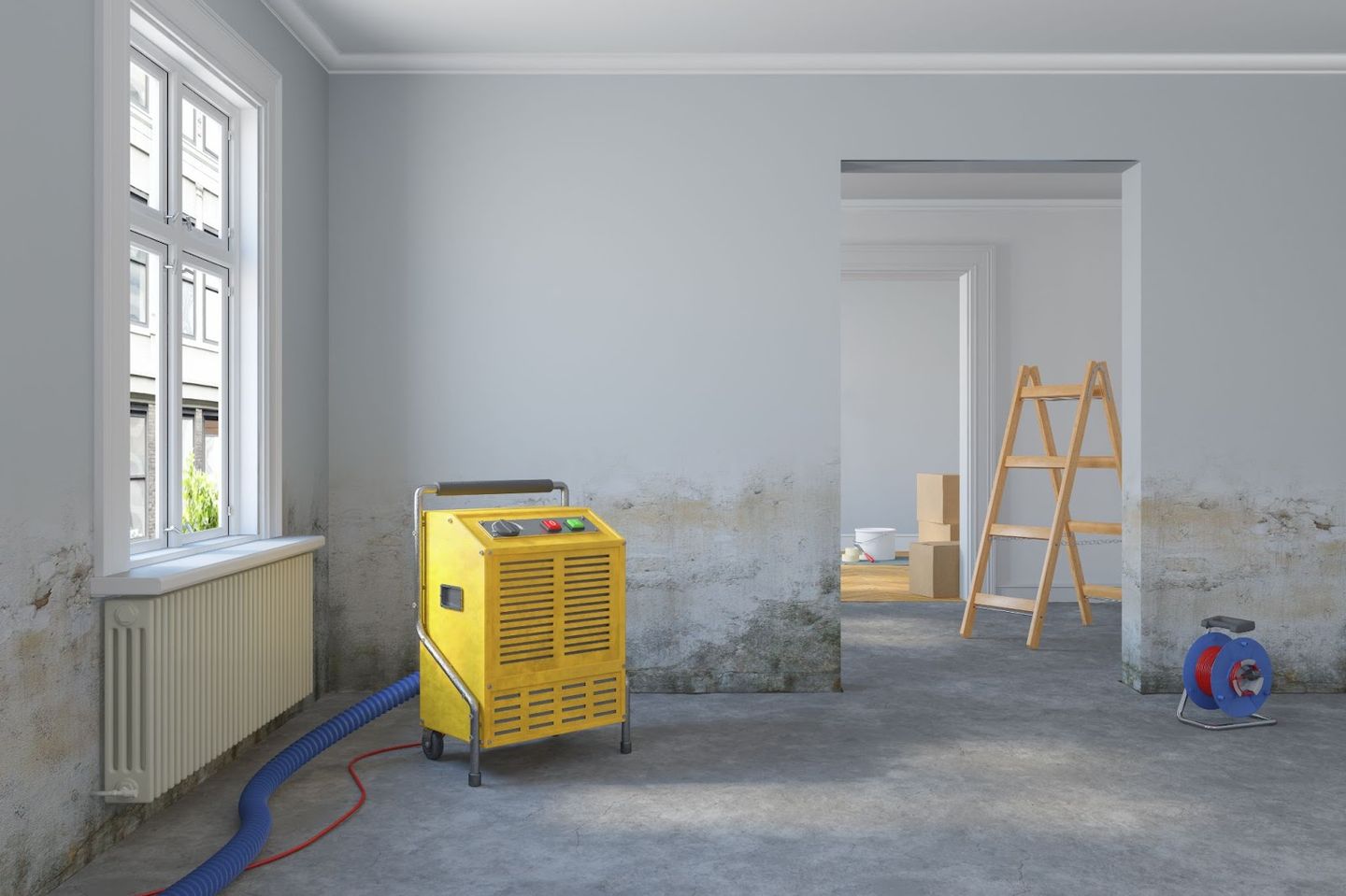
What are the main downsides of a dehumidifier?
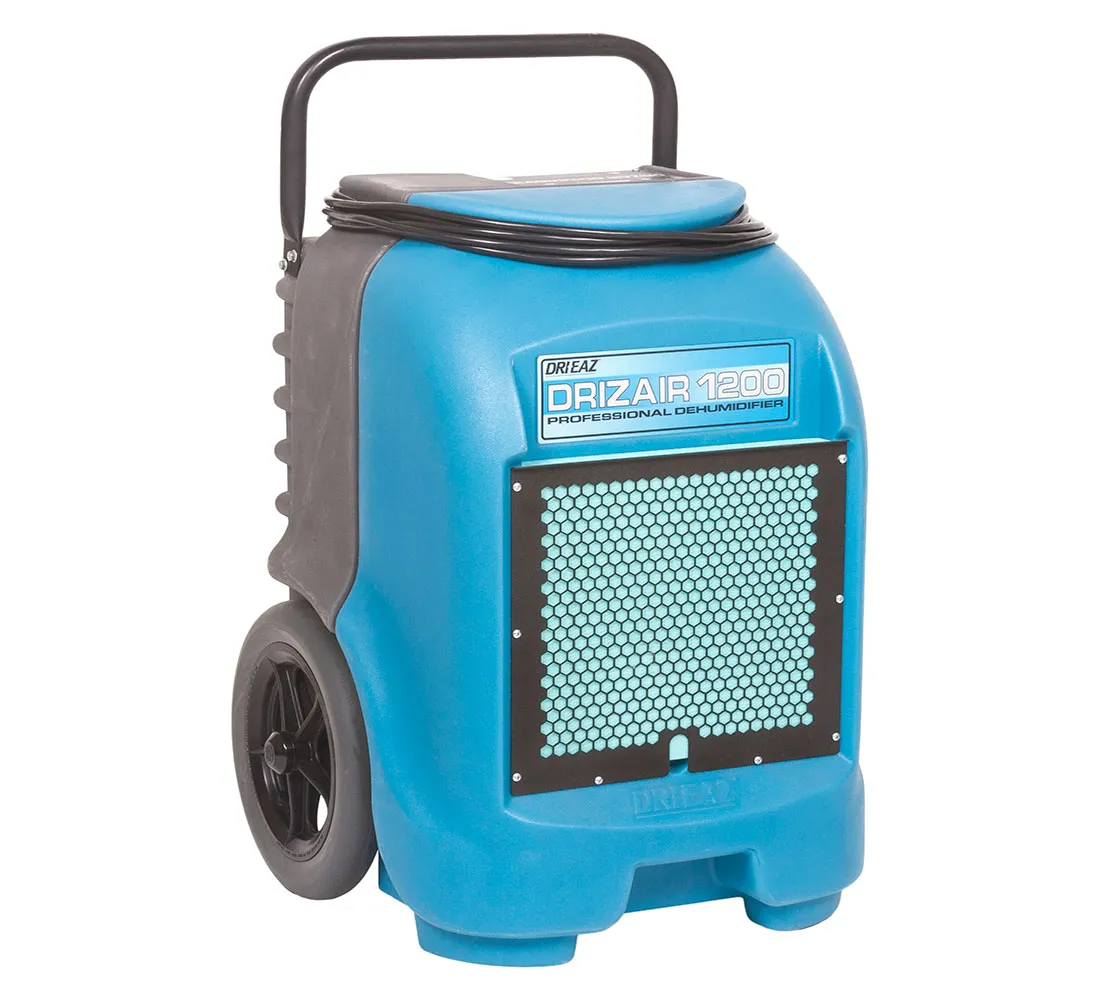
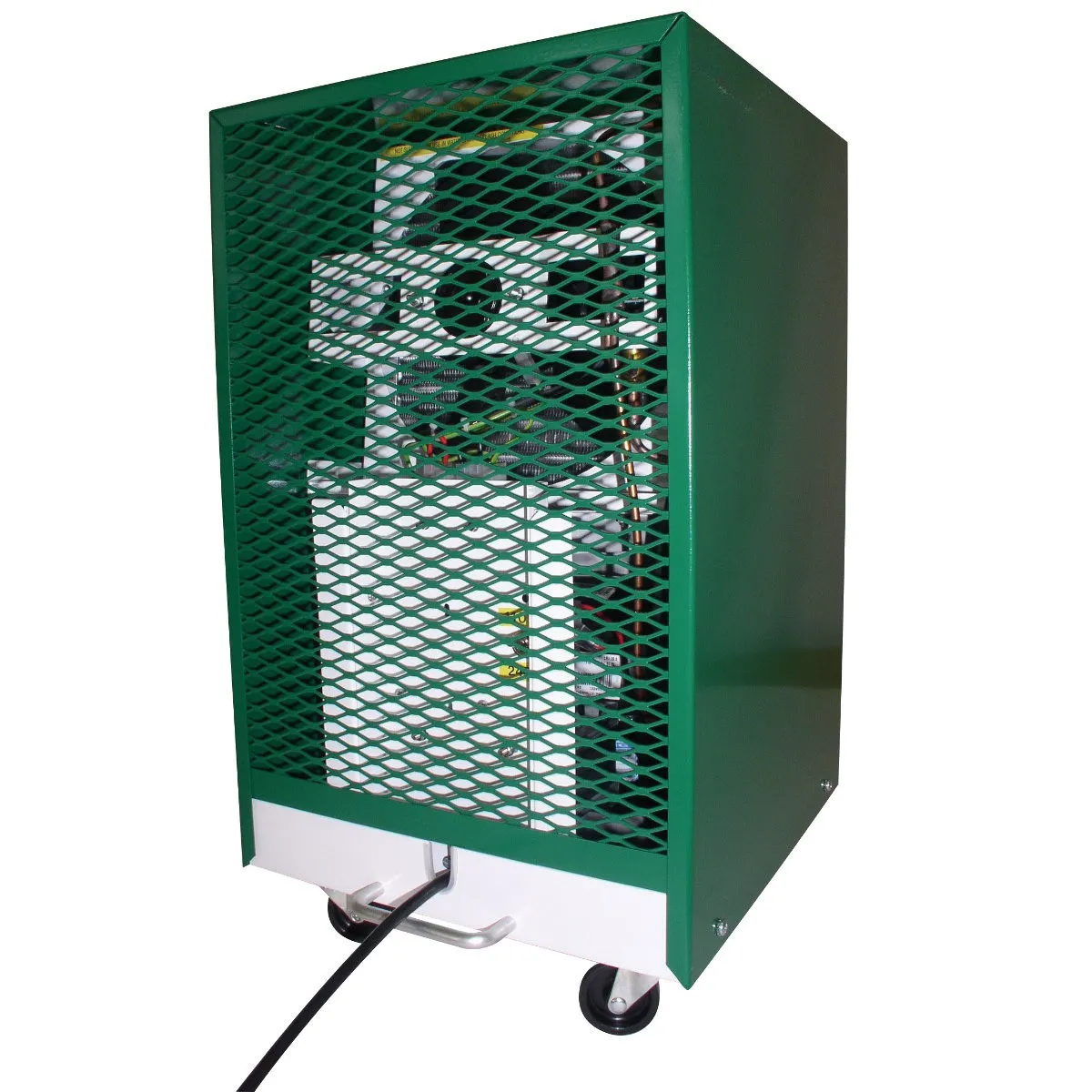
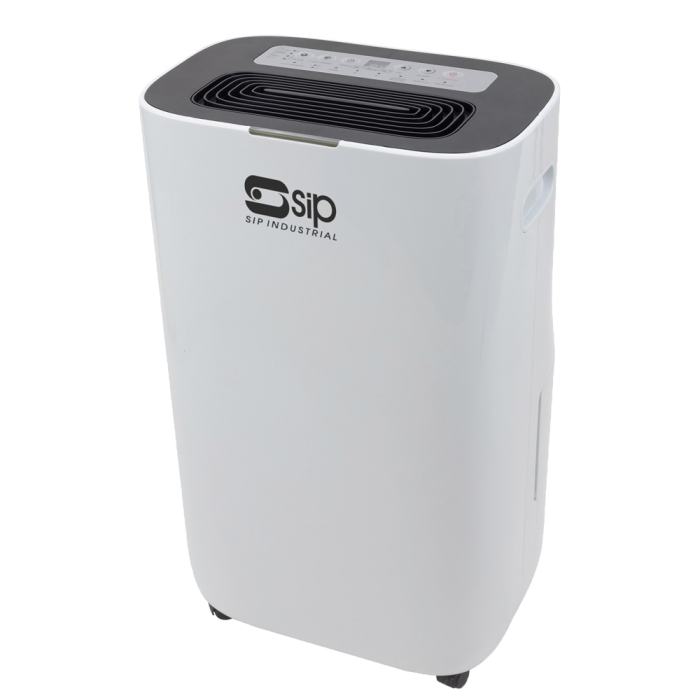
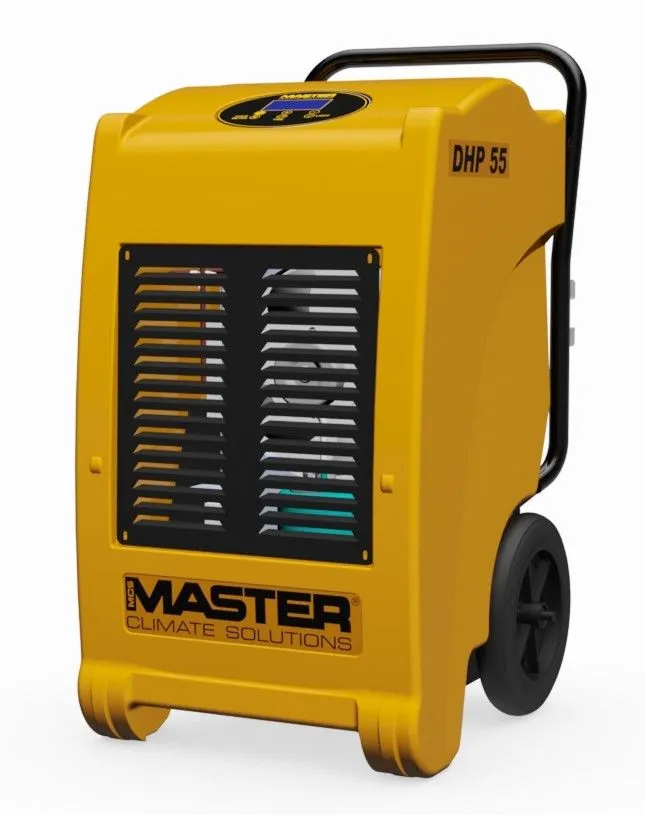
There a few main downsides of a dehumidifier and this table shows why each happens and how to reduce it.
Do dehumidifiers use a lot of electricity?
Dehumidifiers don’t really use a lot of electricity, though costs add up if one runs all day. Here's the sum.
- Divide the wattage by 1,000 to get kilowatts.
- Multiply by the hours it runs.
- Multiply by your unit rate. We've used the Ofgem price cap average of 26.32p per kWh for 1 October to 31 December 2026.
Here's how that looks:
- A 200W home unit costs about 5.3p an hour, or £1.26 over 24 hours.
- The Compact Dehumidifier With Pump (395W) costs about 10.4p an hour, or £2.50 over 24 hours.
Those figures assume that the dehum is non-stop running. The humidistat switches the unit off once the room reaches your target, so real bills tend to be lower. Desiccant dehumidifiers, which use a drying wheel rather than a cold coil, usually draw more power than compressor models at normal room temperatures. Check the latest rate on the Ofgem unit rates page.
Are dehumidifiers noisy?
Most units hum a bit and give off a little warmth. That's fine in a utility room, but less welcome in a bedroom at 3am.
The noise comes from the fan and the compressor, the part that circulates refrigerant to cool the coil. Industrial units are louder than home ones, so we'd keep them in empty rooms. Check the noise rating, use night mode if there is one, or run it while you're out.
Do dehumidifiers work in cold rooms?
They do, but compressor models lose ground below about 15°C. At that point the coil can freeze and extraction drops.
A compressor dehumidifier pulls air over a cold coil called the evaporator. Moisture condenses on it and drips into the tank or drain, which is how the unit extracts water from the air. In a cold room the coil can drop below freezing and ice over, so the unit spends its time defrosting instead of drying.
Dew point is the temperature at which moisture in the air turns into water. It's why your windows run with condensation on winter mornings.
Does heating help? It lowers relative humidity, but the moisture condenses again on cold surfaces. Heating, ventilation and a dehumidifier together work best, and our electric heaters supply the warmth. For cold spaces, choose a unit built for it:
- The 20L Dehumidifier/Building Dryer (Ebac BD70) works from 1°C to 35°C, with hot gas defrost.
- The 52 Ltr Pump Dehumidifier works from 1°C to 38°C.
- The 52L Dehumidifier/Building Dryer 110V is designed for low temperature drying.
- The Compact Dehumidifier With Pump works from 5°C to 32°C.
A desiccant model is another option. Our guide to preventing condensation and damp in a winter renovation has more.

How do you stop the tank filling up?
- Gravity drainage: run a hose to a floor drain or sink. The drain must sit lower than the unit's outlet.
- Pump drainage: a built-in pump pushes water up and along a hose. The Compact Dehumidifier With Pump discharges up to 7m away.
- Route the hose so it doesn't kink or become a trip hazard, and check the pump for blockages now and then.
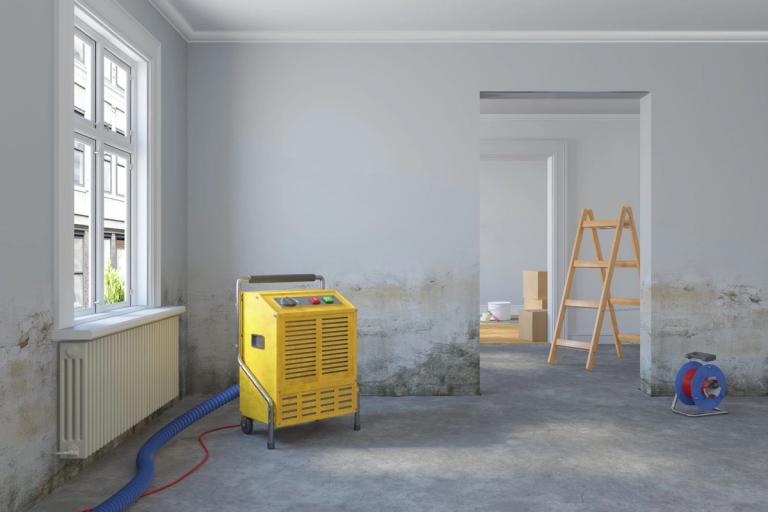
Our drying hire packs pair a dehumidifier with air movers for bigger jobs. Prefer to watch? Our video shows how to use one of our hire dehumidifiers.
How do you keep a dehumidifier clean?
Empty the tank daily and check the filter every two to four weeks. Clean more often on dusty sites and follow the manufacturer's guidance.
This weekly dehumidifier cleaning routine is easy and doesn’t take much time to do.
- Unplug the unit before you touch anything.
- Empty and wash the tank with warm soapy water, then rinse it and let it dry before refitting.
- Check the filter. Clean it as your manual says, which is often a rinse or a vacuum, and make sure it's fully dry before it goes back in.
- Wipe the outside and vents with a damp cloth so dust doesn't block the airflow.
- Empty and dry the tank before you store the unit, so it doesn't turn musty.
A dehumidifier doesn't create harmful bacteria, but standing water and a dirty filter can grow bacteria and mould.
A blocked filter also cuts airflow, so the machine removes less water and costs more to run. Hired units from HSS DIY are cleaned and checked between hires.
Can a dehumidifier make you feel unwell?
If a dehumidifier is used properly, it shouldn’t make you feel unwell. Drying the air too far, below about 40% humidity, can irritate skin, eyes and throat, and may make eczema or asthma feel worse.
Aim for 40% to 60% relative humidity. When it stays above 60% to 70% for long spells, mould and dust mites thrive, so 70% in a bedroom is too high if it stays there. A hygrometer, which measures humidity, shows where you stand, so turn the unit down once you reach your target.
Browse our Inspection & Measuring range for measuring kit. For official advice, read the government's guidance on the health risks of damp and mould in the home.
Will a dehumidifier fix damp and mould?
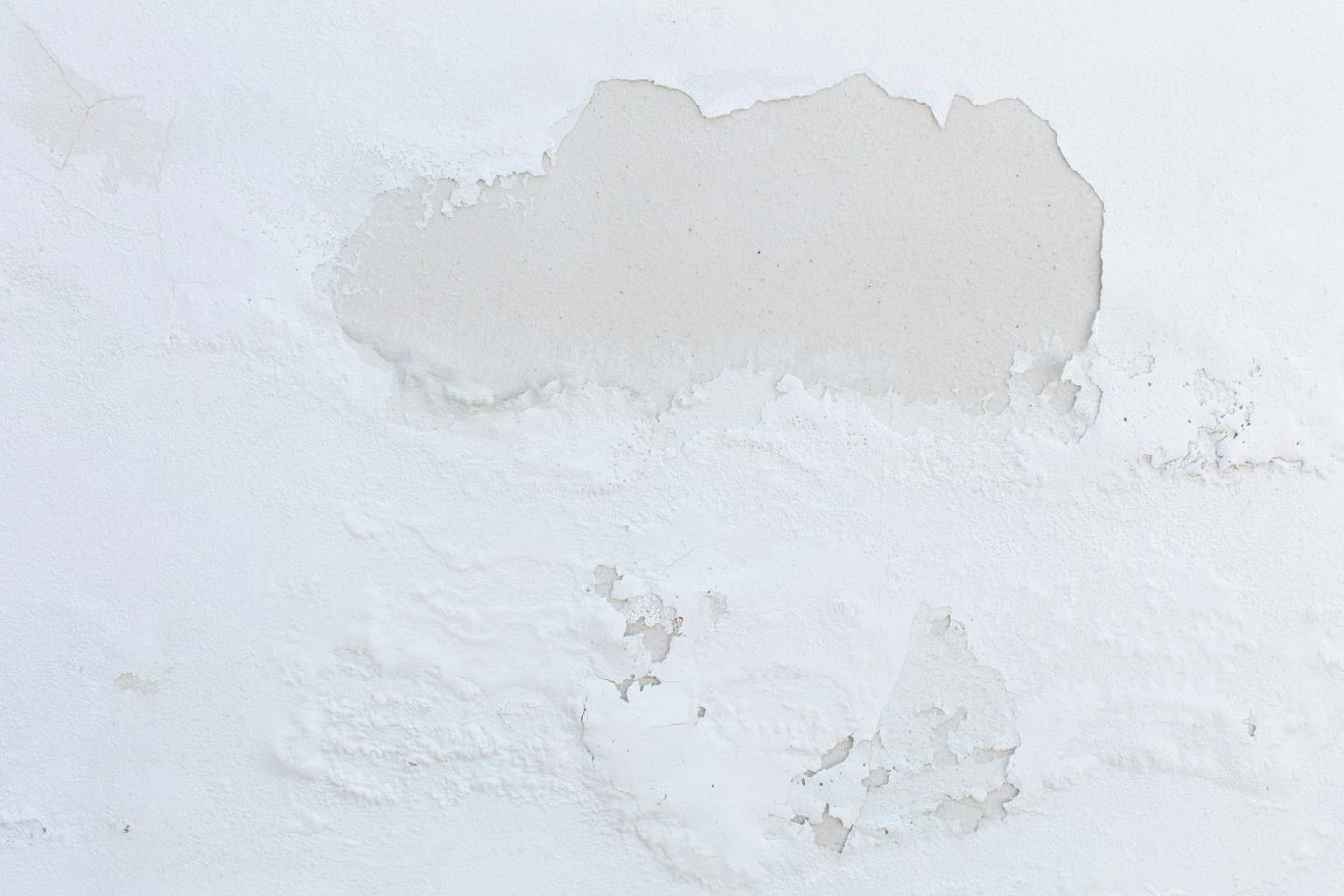
No, a dehumidifier won’t fix damp and mould. It controls moisture in the air, but it won't fix a leak, rising damp, a blocked gutter or poor ventilation. It also won't kill mould that's already there.
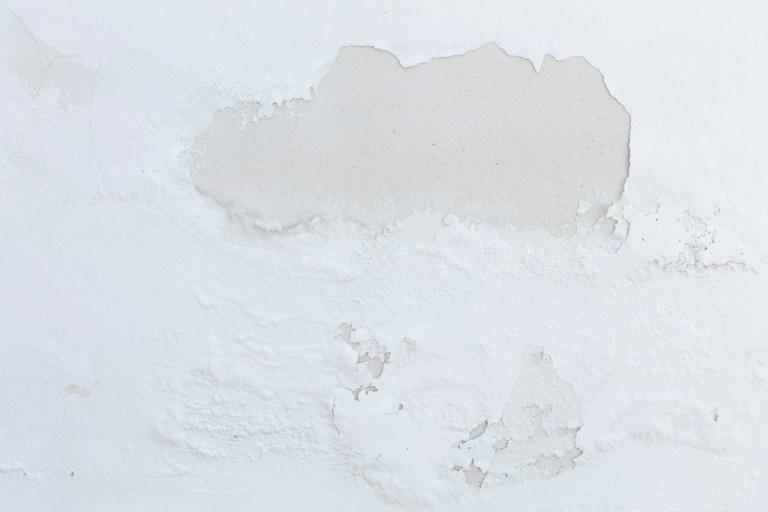
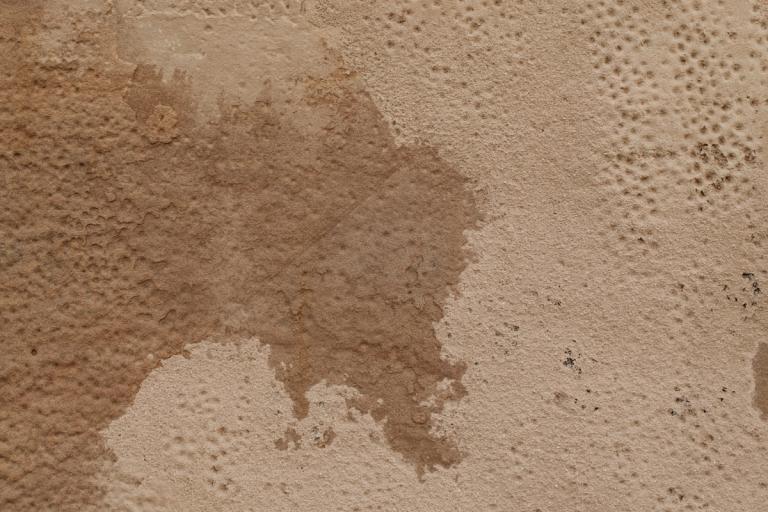
It does however stop new mould growing by keeping the air dry. Existing mould needs cleaning off, and a large patch needs a professional’s help. A growing damp patch, tide marks, wet plaster near the floor or damp after rain all point beyond condensation.
Our guides on spotting the early signs of damp and drying out a damp patch are good next reads.
When should you not use a dehumidifier?
Avoid using one when it can't dry the air properly or could be unsafe, as in these situations:
- When windows and doors are open, because it just dries the outside air.
- When the room is colder than the unit's operating temperature.
- When it's pushed against walls, curtains or furniture, which block airflow.
- Where water could splash it, or outdoors.
- When humidity is already below 40%.
- When floodwater is still standing. Pump it out first, then see our flood recovery guide.
Is it cheaper to hire or buy a dehumidifier?
For a one-off job, hiring usually wins. Buying suits regular use.
This table compares some of our options.
*Prices are correct as of November 2026 and are subject to change. Check live product pages for current pricing.
How can I stay safe when using a dehumidifier?
Keep the water and the electrics well apart, and protect yourself when you deal with damp.
- Use RCD protection. Plug into an RCD-protected socket or adaptor, and check the cable for damage first. Our electrical accessories can help.
- Mind the cable. Keep it clear of water and walkways, and unwind any cable reel fully.
- Leave flooded electrics alone. Don't use electrical equipment in a flooded property until a qualified electrician has checked it, and get professional help if floodwater may be contaminated.
- Protect yourself. Wear gloves and a dust mask when cleaning off mould.
- Keep it uncovered. Never cover the unit or drape washing over it.
How long does it take to dry a room?
It depends on the room and the damp, but hire units across our range average 8 to 11 days, so track your readings rather than the clock.
- Day 1 (about an hour): position the unit, close windows and doors, fit the hose, set the humidistat and put a hygrometer in the room.
- Each day: check the reading at the same time and empty the tank if you're not draining.
- Finish: stop once humidity holds within your target. After a flood or new plaster, confirm with a damp meter, as walls can feel dry and still be wet inside.
What our customers say
⭐⭐⭐⭐⭐ "Dehumidifier rental, all went smoothly. Great customer care who extended my rental over the phone..” - Michela’s review on our hired dehumidifier.
⭐⭐⭐⭐⭐ "Rented a dehumidifier. Needed to extend… They were very good to deal with and didn’t charge me extra…Very happy with the service." - S Cunliffe’s review on our hired generator and service.
Dehumidifier FAQs
Is it okay to run a dehumidifier 24 hours a day?
Yes. Most modern units can run continuously, especially with a humidistat that switches them off at your target. Fit a drain hose or empty the tank, and keep the filter clean.
How long should you leave a dehumidifier on in a room?
Until humidity settles between 40% and 60%. Everyday condensation may need several hours a day, while new plaster can take days. Trust a hygrometer rather than the clock.
What month should you stop using a dehumidifier?
There's no set month to stop using a dehumidifier. Many UK homes need one less from late spring to early autumn. Stop when humidity stays under 60%, and switch it back on if damp weather returns.
What are the signs of high humidity in a house?
Condensation on windows, a musty smell, mould, peeling paint and washing that won't dry. A hygrometer can confirm if your home has humidity..
So, is a dehumidifier really worth it?
A dehumidifier is definitely worth it once you match the right unit to the job.
Choose a unit rated for your room's temperature, add a pump so the tank never calls time, and use a hygrometer to avoid over drying. Fix any leaks first, then let the dehumidifier leave your home drier and less musty. If damp keeps returning, call a professional.
At HSS DIY, you can buy or hire generators online 24/7, with next day delivery or you can opt for click & collect instead. Just make sure to check the product page to check what size vehicle is needed for collection.
Buy the materials. Hire the tools. One order. All in one place.
Get DIY Happy with HSS DIY: The Home of Great Projects.
Meet the people behind our Tips & Advice
From quick fixes to bigger DIY projects, get to know the people behind the guides helping you get the job done with confidence.