




































⏱ Read time: 7 min | 🌿 Difficulty: Beginner to intermediate | ⏰ Time: Half a day (4 hrs) | 👷👷 2 people recommended
Storm season used to mean November. These days, UK storm warnings can land as early as September, and most of us only think about prepping our homes once the wind's already howling.
At HSS DIY, we've put together a step by step guide to prepping your home for autumn storms in the UK, so you're sorted before the next warning lands, not scrambling after it.
Why UK storms catch homeowners off guard every autumn
Autumn weather happens when warm air left over from summer meets the first cold fronts rolling in off the Atlantic. That clash is what fuels the low pressure systems behind the UK's named storms, and it tends to arrive with less notice than winter weather does. One week it's t-shirt weather, the next there's a storm UK warning covering half the country.
Most storm damage isn't dramatic. It's a few loose tiles, a blocked gutter, a fence panel that finally gives up. All small, all avoidable, and all a lot cheaper to sort in September than in the middle of a downpour.
Reading UK storm alerts and weather warnings properly
The Met Office issues UK storm warnings on a three colour scale, and it's worth knowing what each one actually means before you start prepping:
- Yellow: be aware, some disruption is possible but most people carry on as normal
- Amber: be prepared, there's an increased chance of travel delays, power cuts and damage to property
- Red: take action, dangerous weather is expected and there's a real risk to life
A common mistake is treating every UK storm alert the same. A yellow warning is your cue to run through the checklist below at your own pace. Amber or red means downing tools, getting indoors, and leaving anything outstanding until it's safe to finish.
Step-by-Step: How to Prepare Your Home for an Autumn Storm
Clear and check your guttering
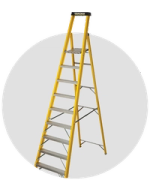
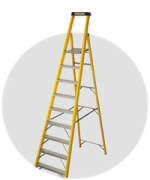
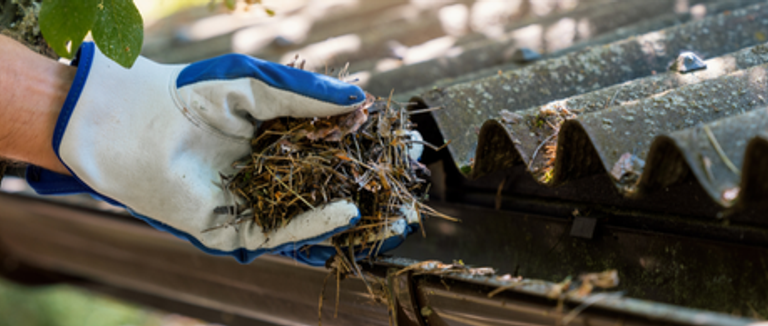
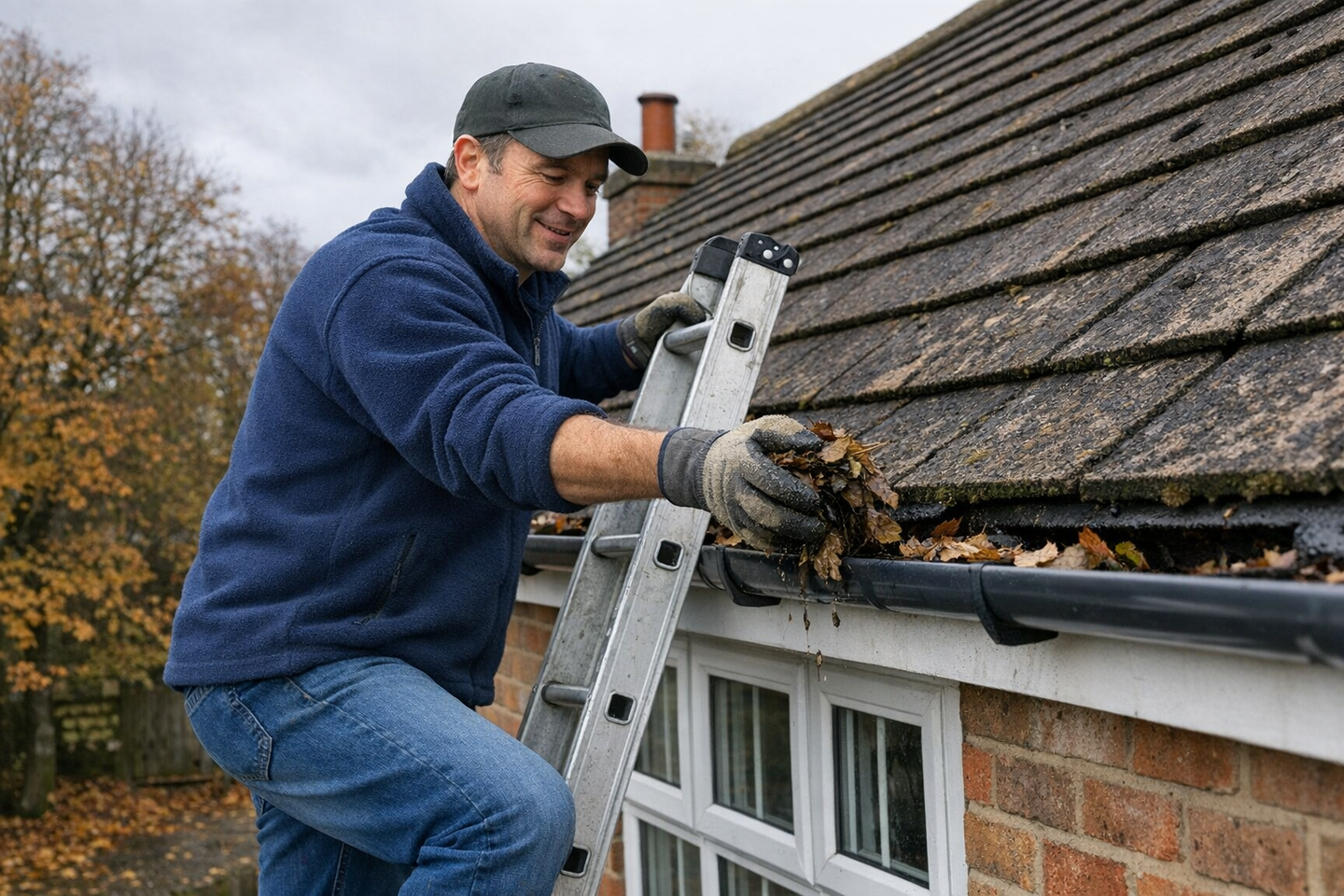
Blocked gutters have nowhere to send rainwater except down your walls, which leads to damp, mould and fascia damage over time. Use sturdy, reliable ladders to clean out your gutters, and consider a gutter brush debris guard as a cheap way to stop build-up recurring. While you're up there, check the gutter system's condition for damage.
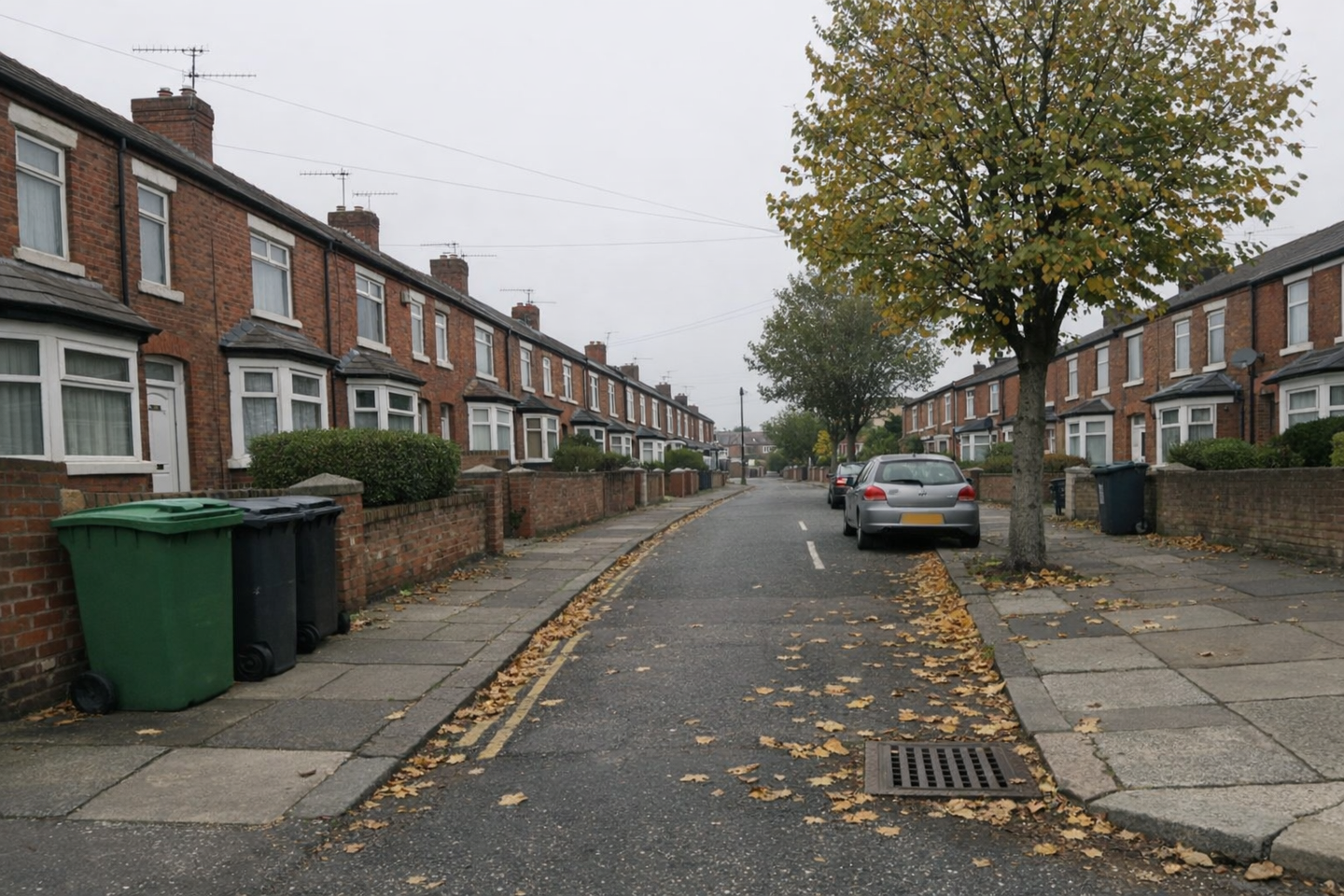
Blocked drains around your property are a common cause of localised flooding during heavy rain. It’ll also be worth checking any drains, gullies, or soakaways near your house too and clearing them of leaves and debris.
Give your roof a once-over
Loose tiles and worn flashing are the single biggest cause of storm-related claims, and they're usually spotted from a ladder, not the ground. If you're not confident working at height, use an access tower or bring in a roofer instead.
Check windows and doors
Look for cracked panes, worn seals, or loose frames — these let water in and heat out even without a storm. Consider storm shutters or boarding for older or exposed windows ahead of a severe warning, and check door thresholds for draughts and water ingress.
Sort your fencing and secure the garden
Fence panels act like sails in high wind, and loose posts are far more likely to blow out. Tighten what you can, and fix any panel that's already on its way out before it gets flattened. Bring in anything that can move — bins, plant pots, trampolines, and garden furniture — since all become genuine hazards once the wind picks up.
Cover what you can't move
Woodpiles, half-finished projects, and anything left out in the garden can be protected with a tarpaulin, weighed down or tied off properly so it doesn't become a hazard itself.
Check trees near your property
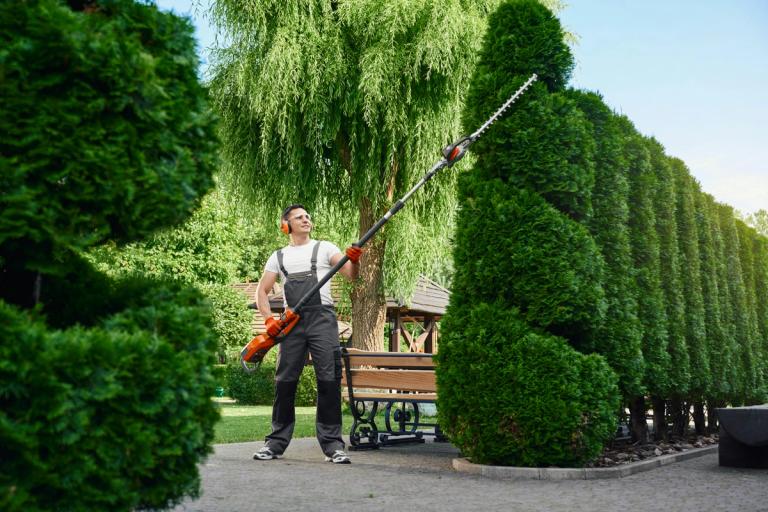
Look for dead or overhanging branches, especially near your roof, driveway, or power lines. Small branches you can safely reach from the ground can be trimmed yourself; anything larger, or near power lines, needs a qualified tree surgeon.
Secure outbuildings and structures
Sheds, greenhouses, and satellite dishes/aerials are easy to overlook but can be seriously damaged or become hazards in high winds. Check shed doors latch properly and secure or remove loose greenhouse panels where possible.
Check your flood risk and prepare accordingly
If you're in a flood-prone area, sign up for Environment Agency flood warnings for your postcode, and keep sandbags or flood barriers ready. Move valuables, electricals, and important documents to higher floors if flooding is forecast.
Sort a backup power plan
Storms and power cuts go hand in hand, so it's worth having a plan before the lights go out rather than during. A portable petrol generator is enough to keep essentials like lighting and a fridge running. Generators must always be kept dry and run outdoors, never inside the house or garage.
Test smoke and carbon monoxide alarms
Power cuts often lead to candle use, and generators bring their own carbon monoxide risk — working alarms are an essential backup safety measure.
Pack a proper storm kit
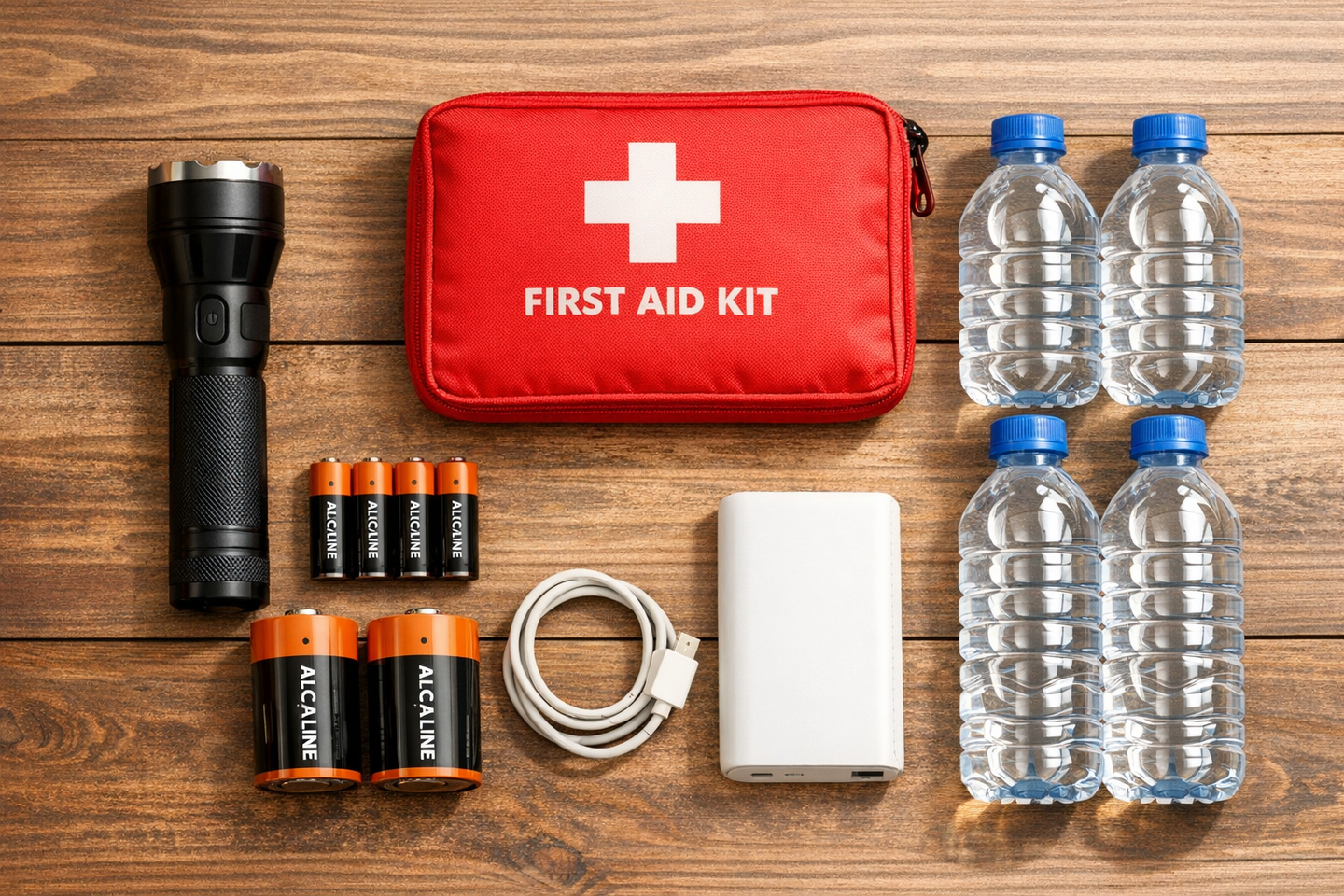
Non-perishable food, bottled water, a first aid kit, and a decent torch should all be somewhere you can find them without needing a torch to find the torch. Fully charge phones and any power banks as soon as a warning is issued, not once the power's already gone.
Photograph your property
Take dated photos of your roof, fences, and garden before the storm. If you end up making an insurance claim afterwards, "before" photos make the process much smoother.
Move or secure vehicles
Park away from large trees or anything that could fall, such as fences, chimneys, or loose branches. If you're in a flood-risk area, consider moving vehicles to higher ground.
Check on vulnerable neighbours
Elderly or vulnerable neighbours may need help securing their property or may not have supplies in. A quick check before the storm hits is worth it, especially if a red or amber warning is issued.
Know your emergency contacts
Keep numbers for your energy network operator (for power cuts or downed lines), local council, and insurer somewhere accessible — ideally written down, not just on a phone that might lose charge.
From theory to practise
One HSS DIY customer got in touch after a few roof tiles came loose overnight during an amber storm warning. Water tracked into the loft insulation before it was spotted, and the repair, including drying out and replacing damp damaged plasterboard, cost several times more than a routine check with a roof ladder would have. It's the sort of job that takes an afternoon to prevent and a fortnight to fix.
Hiring vs buying: what actually makes sense
For a job you'll only do once or twice a year, hiring almost always works out cheaper once you factor in storage, maintenance and the fact that a ladder gathering dust in the garage isn't earning its keep:
How long does it take?
We can’t give accurate timings, each project is different for many reasons but we can give you a rough estimate.
- Guttering and roof check: 1 to 2 hours
- Fencing and garden tidy: 1 hour
- Covering and securing loose items: 30 minutes
- Sorting power and storm kit: 30 minutes
All in, that's about half a day for one person, or a couple of hours with a second pair of hands, which is genuinely worth having for the roof check alone.
Storm prep checklist
Print this out, stick it on the fridge, and tick things off as you go to keep on track of your storm prep jobs:
☐ Guttering cleared and checked
☐ Roof tiles and flashing inspected
☐ Fence panels and posts secured
☐ Garden furniture, bins and toys brought in or tied down
☐ Loose materials covered with a tarpaulin
☐ Generator tested and fuel sorted (never stored indoors)
☐ Torches, batteries and first aid kit located
☐ Phones and power banks fully charged
☐ Photos taken of your home's condition, useful for insurance if needed
☐ Home insurance checked for storm cover and excess
⚠️Health and safety tips
Working at height is where most storm prep injuries actually happen, not the storm itself, so make sure you’re safe at all times.
- When working on ladders - always have someone foot for extra safety, never overstretch and never work alone on a roof. Stop the moment winds start picking up. Full guidance is available from the HSE on working at height.
- Gloves, eye protection and PPE will be needed to make sure your face and body is protected from anything that may spray, leak or splash in your face or on your body.
- Do these jobs BEFORE a storm arrives. Don’t wait until the gales are blowing and the rain is torrential. If you forget to check and prep your home, wait to see if there’s any damage done after the storm.
- Don’t lift heavy branches, fence panels or other items alone and be sure to use the right lifting techniques.
- If you’re using a generator, make sure you never run it inside. Make sure it’s set up outdoors or near a window/door/vents as the generator.
- Don’t get the generator wet and don’t touch it with wet hands.
- Read any manufacturing guides before using any equipment.
- If any job seems too much for you, seek out a professional who can do the work for you instead.
FAQs
How much notice do UK storm warnings usually give?
Often just one to three days, which is exactly why prepping early in autumn, rather than waiting for a specific alert, makes the biggest difference.
What's the difference between a storm watch and a storm warning?
The Met Office uses warnings rather than watches in the UK. The colour tells you how severe the weather is expected to be and how urgently you need to act.
Do I need a professional to check my roof before autumn?
Not always. A visual check from a roof ladder catches most issues, but if you're not confident working at height, or you spot damage you're unsure about, it's worth calling in a roofer.
Can I run a generator indoors during a power cut?
No. Petrol and diesel generators produce carbon monoxide and must always be run outdoors, well away from doors and windows.
Does home insurance cover storm damage in the UK?
Most standard buildings insurance does, though it's worth checking your policy for wind speed thresholds and any exclusions for pre-existing wear.
What's the single most useful thing I can hire before a storm?
A roof ladder, if you've never had your roof checked. It's the cheapest way to catch the one issue most likely to cause expensive damage.
Get storm ready with HSS DIY
And that’s that!
Most storm damage comes down to a handful of small, preventable things: a blocked gutter, a loose tile, a fence panel nobody got round to fixing. None of it takes long to sort, and all of it is cheaper dealt with now than after the next storm UK warning rolls in. Whatever your project needs, from roof ladders to generators, HSS DIY is the home of great projects.
If your order includes several items, they may arrive as separate deliveries, but it's all handled under the one order from start to finish.
Buy the materials. Hire the tools. One order. All in one place.
What HSS DIY customers say
⭐⭐⭐⭐⭐ “HSS have been more than accommodating when we tried to hire a generator, cables and all the additional stuff that goes with a generator. They provided advice and assisted with I forgot an item, and they added it to the order afterwards. I found them very user friendly and approachable.” - Kerry’s review on generator hire.
⭐⭐⭐⭐⭐ “Hired ladders for a small roofing project. Brilliant service.” - Lucien’s review on ladder hire.