













⏱ Read time: 8 min | 🛠 Difficulty: Intermediate | ⏰ Time: 1 day (8 hrs) | 👷👷 2 man
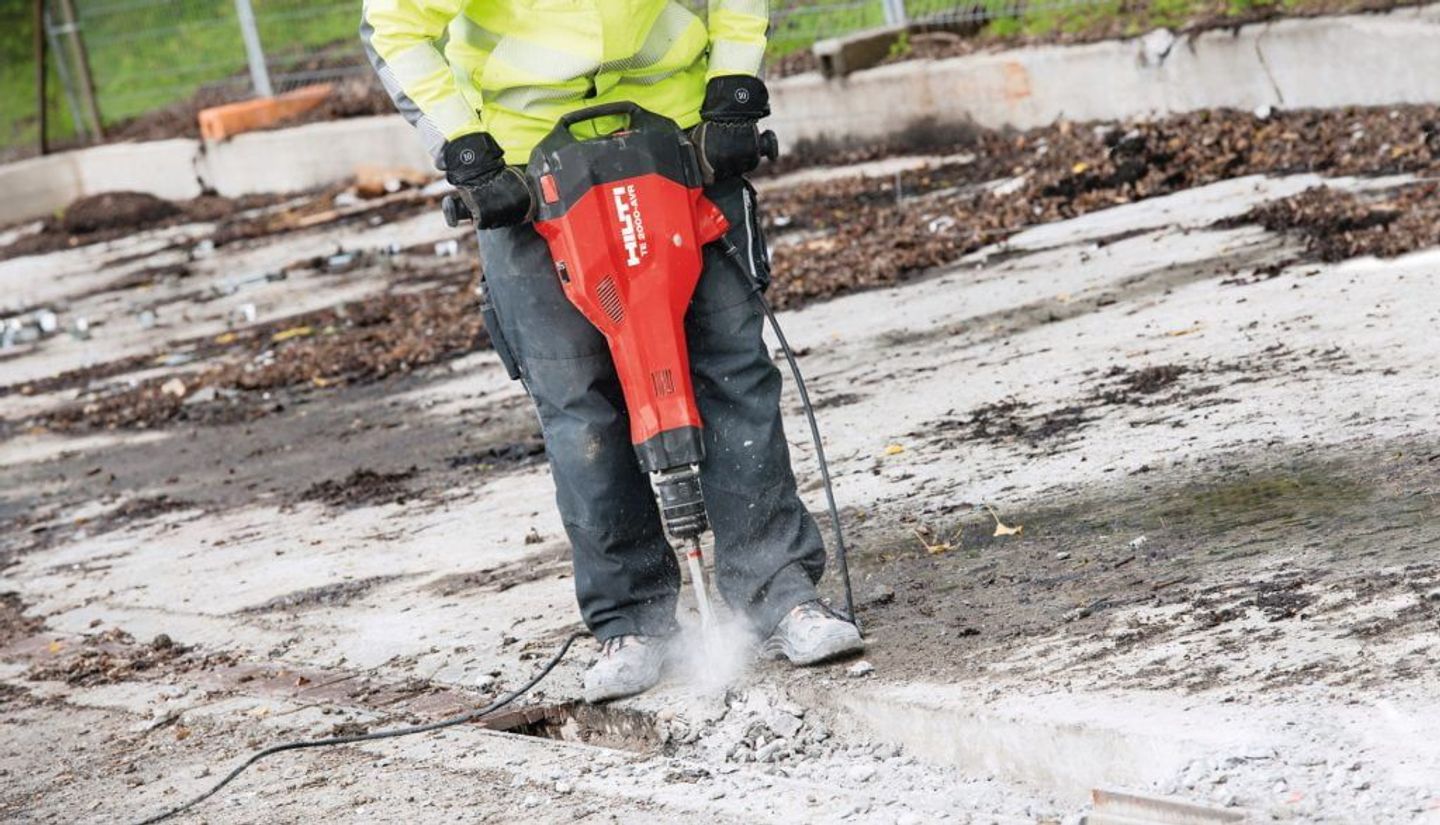
Simple rule: if you’re breaking concrete, use a kango breaker. If you’re making holes in it, use a hammer drill. The breaker clears patios, paths and old post footings fast, while the hammer drill handles anchor holes and light chiselling. Many garden groundworks call for both, one after the other.
Key takeaways
- A kango breaker only hammers, which is exactly why it chews through concrete so quickly.
- A hammer drill spins and hammers, so it drills clean holes in concrete and masonry. Some models chisel lightly too.
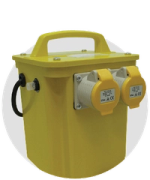
- Many of our corded breakers and hammer drills run on 110V, so you'll need a transformer on a household supply.
- Check for buried cables and pipes before you break ground, and always control the dust.
Table of contents
- What's the difference between a kango breaker and a hammer drill?
- Kango breaker vs hammer drill: how do they compare?
- Which groundworks jobs need a kango breaker?
- Which groundworks jobs suit a hammer drill?
- When not to use a kango breaker
- When not to use a hammer drill
- Is it cheaper to hire or buy?
- How do I stay safe when breaking concrete?
- How long does a typical groundworks job take?
- What do HSS DIY customers say?
- Watch: how-to videos
- Download your groundworks checklist
- FAQs
- Conclusion: so, which one should you hire?
What's the difference between a kango breaker and a hammer drill?
A kango breaker hammers straight down to shatter concrete. A hammer drill spins a bit while it hammers, so it bores holes instead.
Kango was a British tool brand, and the name stuck, much like we all say "hoover" for a vacuum. Here are the terms you'll see:
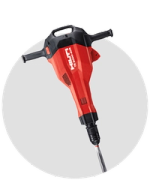
- Kango breaker: the common UK name for an electric breaker. Also sold as a demolition hammer or concrete breaker. No rotation, just heavy blows through a chisel or point.
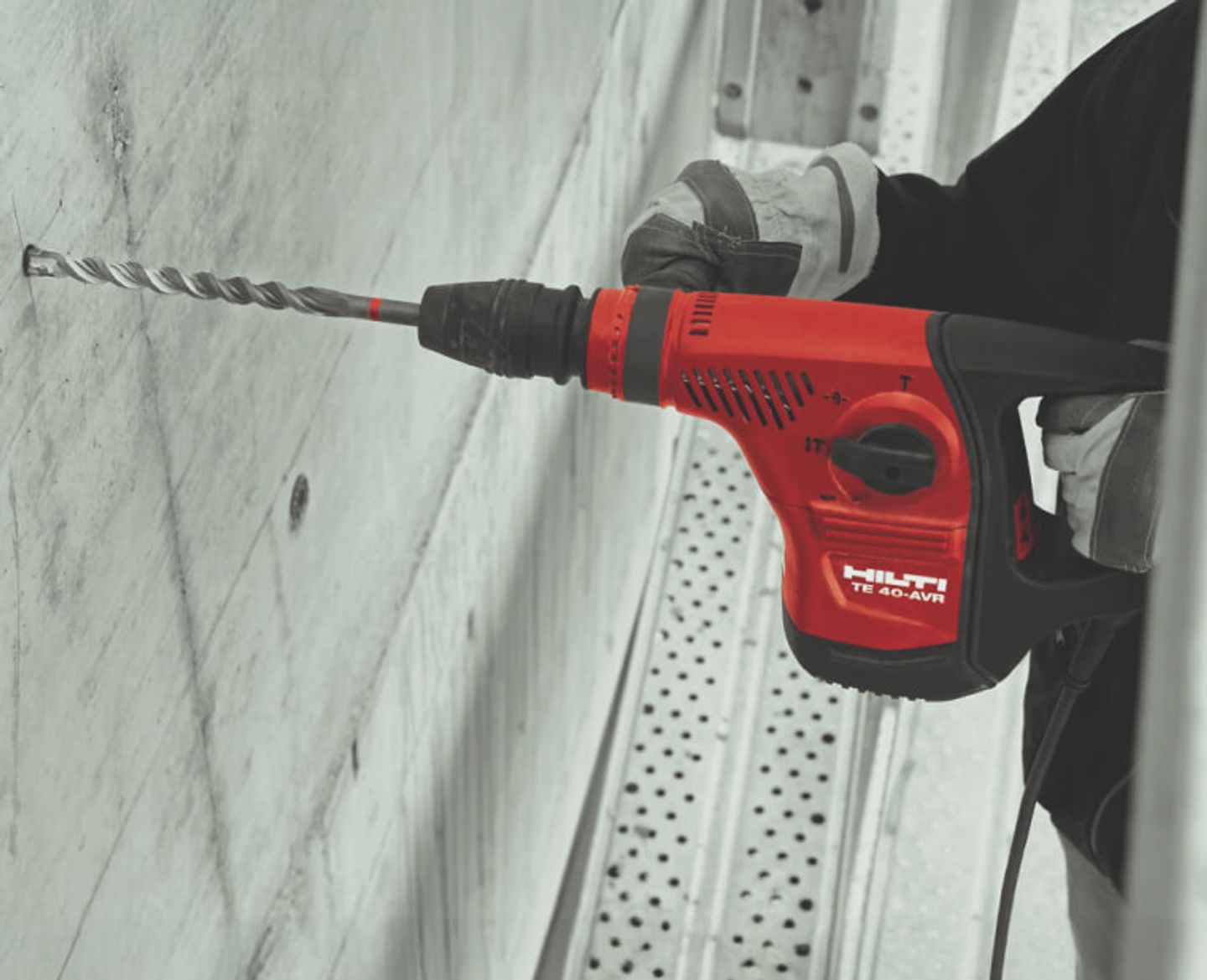
- Hammer drill: for masonry work this means an SDS hammer drill (also called a rotary hammer). It rotates and hammers at the same time, and many have a hammer-only setting for light chiselling.
- SDS: the bit-fixing system used on these tools. SDS Plus suits lighter drills, while SDS Max takes the bigger bits and chisels used on heavier kit.
Kango breaker vs hammer drill: how do they compare?
The table below puts two of our most popular hire tools side by side, using the specs listed on hss.com.
In short, one's a sledgehammer with a motor, the other is a precision tool.
Which groundworks jobs need a kango breaker?
If the job means turning concrete into rubble, you need a breaker. Autumn is ideal for clearing ground ready for spring.
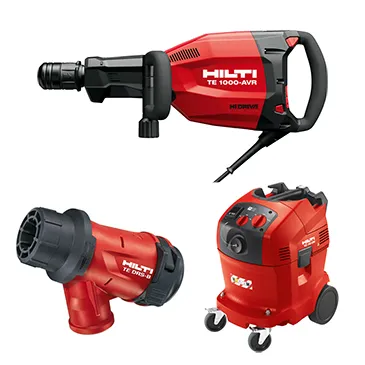
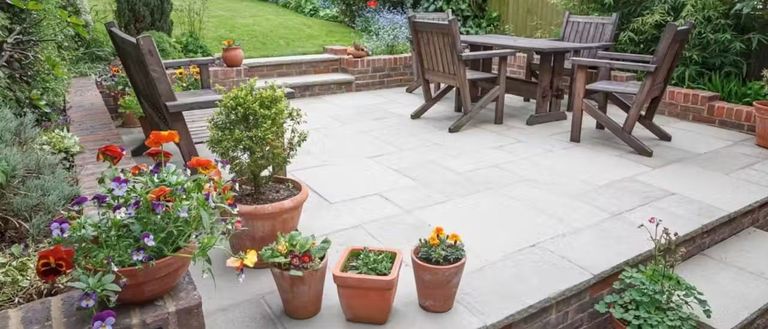
- Breaking out an old patio or path. It breaks up to 125mm deep, fast. Our pick: the Hilti TE1000 AVR breaker.
- Removing concrete fence post footings. Autumn gales love flattening fences, and the old concrete has to go. Our pick: the lighter 7.9kg Hilti TE 700-AVR breaker.
- Lifting an old shed or greenhouse base. A hammer drill would take all weekend. Our pick: the TE1000, or the Hilti TE2000 for thicker slabs.
Need something bigger? See our guide to finding the right breaker for the job, up to the Hilti TE3000.
Which groundworks jobs suit a hammer drill?
Once the ground's clear, the hammer drill takes over for anything that needs a hole.
- Drilling anchor holes in a concrete shed base. Accurate holes to depth. Our pick: the Hilti TE 30-C, which has a depth gauge.
- Fixing bolt-down post supports to a patio. Neat holes mean solid fixings. Our pick: the Hilti TE 6-A36-AVR cordless, so there's no cable trailing across the garden.
- Light chiselling on small areas. Knocking off old mortar doesn't need a full breaker. Our pick: the TE 30-C in chisel mode.
When not to use a kango breaker
A breaker is brilliant at destruction and hopeless at finesse. Leave it off when:
- You need a neat hole. A breaker can't drill, full stop.
- You'd have to lift it above waist height. Floor breakers like the TE1000 are designed for floor level or below the waist. Never use one overhead.
- You haven't checked for buried services. One strike on a gas pipe or power cable makes for a very bad day.
- The slab is thin enough for a sledgehammer. Our step-by-step guide to breaking concrete slabs explains how to check.
- You're right next to something you want to keep. Stray blows can crack drain covers and neighbouring slabs, so finish edges by hand.
When not to use a hammer drill
You can’t always us a hammer drill for every groundworks job. Pick something else when:
- You're breaking out more than a small patch. It's like emptying a pond with a teaspoon.
- You're drilling glazed tiles or porcelain. Switch hammer action off and use rotary only, or you risk cracking the tile.
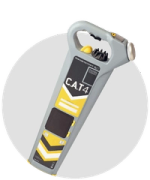
- You haven't scanned for cables and pipes. Use a detector from our locators range first.
- The hole is bigger than the drill's range. For large holes, hire a diamond core drill instead.
Is it cheaper to hire or buy a kango breaker or hammer drill?
For a one-off garden project, hiring wins. Buying makes sense for traders using this kit every week. For everyone else, hiring keeps a 12kg breaker out of your garage. See our hiring vs buying guide.
Prices below include VAT and were correct in October 2026, so check the product page for today's rate.
How do I stay safe when breaking concrete?
There are a few things you can do to stay safe when breaking concrete:
Check for buried services first
Run a free search on LinesearchbeforeUdig to see which utility companies have assets near you, then scan the area with a cable locator. HSE guidance HSG47 explains why both matter.
Control the silica dust
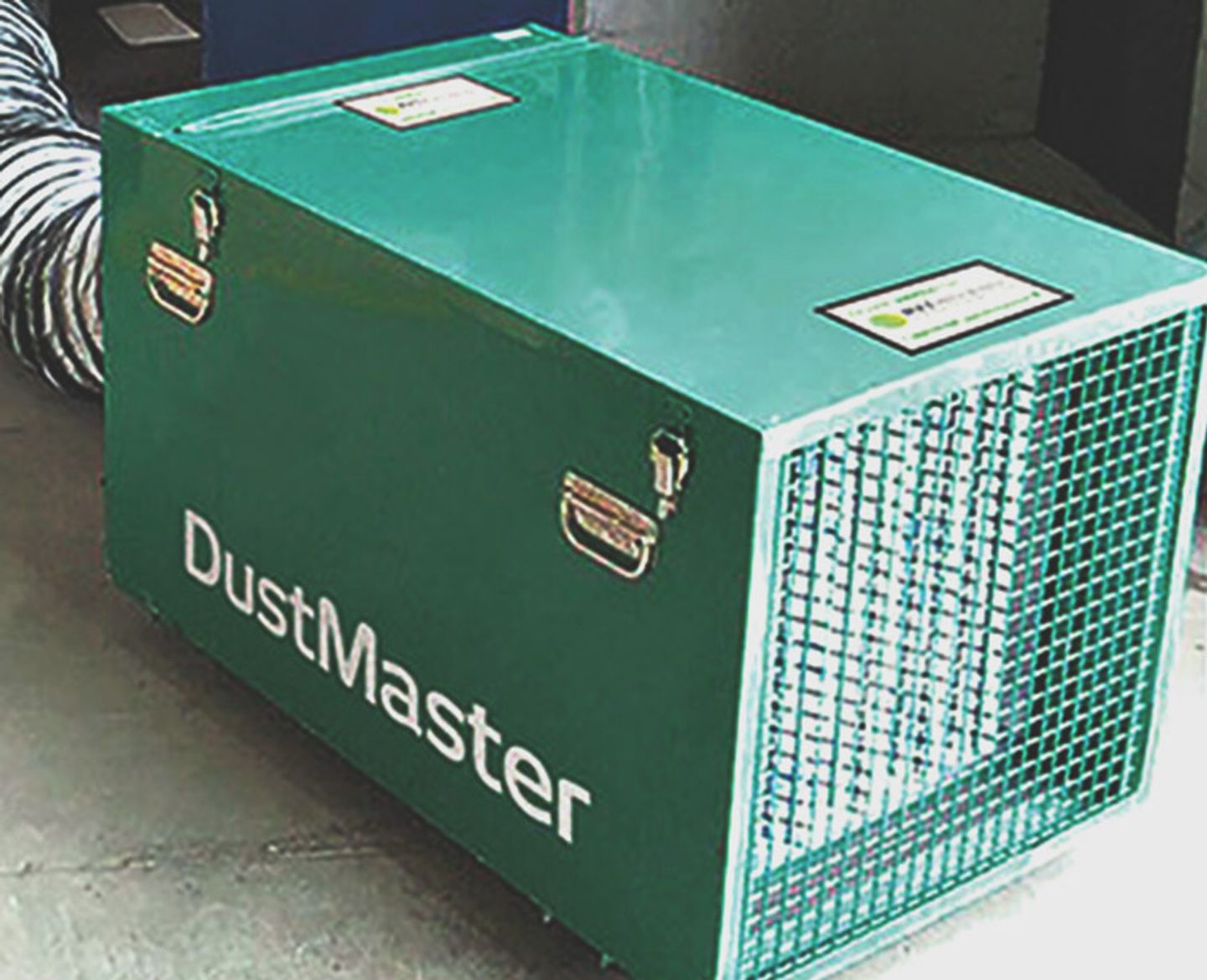
Breaking concrete releases silica dust that can seriously harm your lungs. For dusty concrete work, HSE advises on-tool extraction with an H or M class extractor, plus a mask with a protection factor of 20, such as an FFP3. Try our TE1000 Breaker Dust Hire Pack or dust control range.
Manage vibration and noise
Breakers shake your hands and arms hard, and too much of it can cause lasting damage. Even with the low-vibration Hilti TE1000, the HSE guidelines say to cut back after about an hour of actual breaking. That’s why this is a two-person job. Take turns, have a cuppa in between and keep your ear defenders on.
Wear your PPE
You’ll need to make sure you’re wearing the right PPE when breaking concrete.
- Safety goggles: grade 1, all-round protection to EN 166.B
- Ear defenders: earplugs only suit short spells
- Dust masks: FFP3 for concrete dust
- Gloves: gauntlets or rigger gloves
- Safety footwear: steel toe protection
Do I need a transformer for 110V tools?
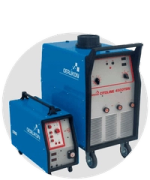
Yes. Household sockets supply 230V, and our 110V breakers and drills won't run without a transformer. It's the thing people forget most. Outdoors or in damp conditions, also plug in through an RCD.
What do HSS DIY customers say?
⭐⭐⭐⭐⭐ - “Great service, hired a breaker which worked perfectly, delivery and collection worked well.” Richard’s review on our service and breaker.
⭐⭐⭐⭐⭐ - “Booking, collection and return was all sorted quickly and efficiently. Good service, good tool.” Martins review on our hammer drill.
Customer case study: breaking up a driveway
FAQs
Is a kango the same as a jackhammer?
Near enough. "Jackhammer" usually means a compressor-powered breaker, while "kango" means an electric one. We hire both, including air breakers.
Can I use a hammer drill to break concrete?
Only small areas, and only if the drill has a chisel setting.
What size breaker do I need for a patio?
The TE1000 suits most DIY patios. For thicker or reinforced concrete, go for the TE2000 or TE3000.
Do breakers come with chisels?
No, but you can add bolsters, chisels and points when you add the breaker to your basket.
Can I plug a 110V breaker into a normal socket?
No. You'll need a 110V transformer between the tool and your 230V household socket.
Kango breaker or hammer drill? Hire the right one from HSS DIY
And there we have it, kango breakers and hammer drills are needed for different jobs and it’s important to know which one you’ll need.
For breaking concrete, the kango breaker wins hands down. For drilling and fixing, the hammer drill takes the crown. Most garden groundworks use both, so hire them together and get it done in a day, not a fortnight of sore shoulders.
Clear the ground now and you'll be ready for a new patio come spring. At HSS DIY, you can hire and buy online 24/7, with next day delivery and handy project bundles. Just note that orders with several items may arrive separately.

Buy the materials. Hire the tools. One order. All in one place.
Get DIY Happy with The Home of Great Projects.
Meet the people behind our Tips & Advice
From quick fixes to bigger DIY projects, get to know the people behind the guides helping you get the job done with confidence.