



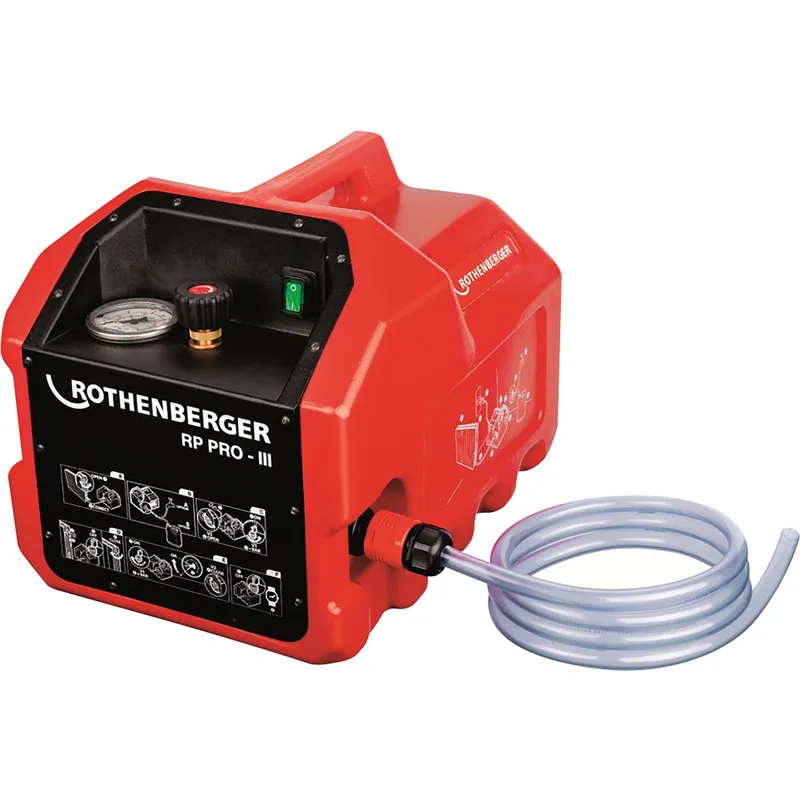
Please note: Images are for illustration purposes only. Actual product supplied may differ.
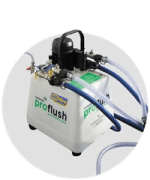
Product name: Electric Pipe Pressure Tester
Product code: 68832
Suitable for testing water and oil systems, this electric pressure testing pump can be mains water connected, self-drawing, or clean water from a water storage container can be used. The glycerin cushioned pressure gauge absorbs vibration and pressure surges for simpler and more accurate pressure reading. Whilst the reinforced steel mesh testing hose halts the hose from expanding under high pressure and prevents reading mistakes. Completing this product is a compact and robust plastic casing for comfortable handling and ease of use.
- Rapidly and accurately test pipework and systems up to 40 bar (560 psi)
- Suitable for water & oil systems
- Suitable for mains water systems
- 2m steel mesh high pressure hose
- Can be mains water connected or self-drawing
- Automatic thermal switch-off prevents the pump from being overloaded
- Brand: Rothenberger
- Maximum Pressure: 78 bar
- Voltage: 110V
- Watts: 1650W
- Weight: 16kg
We recommend you wear steel toe protection when using this product.
You will need a vehicle at least the size of an estate car to collect this item.
Residual Current Devices protect form electric shock. Strongly recommended for electrical equipment used outdoors or in damp conditions.
Pressure Testers
Compact and portable, the Rothenberger Pro III 110v Pressure Testing Pump is designed for rapidly and accurately testing pipework and systems up to 40 bar (560 psi) in one operation.
Hire from
£129.78 £108.15 ex.VAT
Average hire period: 6 days
You have selected a 7 day hire
Product name: Electric Pipe Pressure Tester
Product code: 68832
Suitable for testing water and oil systems, this electric pressure testing pump can be mains water connected, self-drawing, or clean water from a water storage container can be used. The glycerin cushioned pressure gauge absorbs vibration and pressure surges for simpler and more accurate pressure reading. Whilst the reinforced steel mesh testing hose halts the hose from expanding under high pressure and prevents reading mistakes. Completing this product is a compact and robust plastic casing for comfortable handling and ease of use.
- Rapidly and accurately test pipework and systems up to 40 bar (560 psi)
- Suitable for water & oil systems
- Suitable for mains water systems
- 2m steel mesh high pressure hose
- Can be mains water connected or self-drawing
- Automatic thermal switch-off prevents the pump from being overloaded
- Brand: Rothenberger
- Maximum Pressure: 78 bar
- Voltage: 110V
- Watts: 1650W
- Weight: 16kg
We recommend you wear steel toe protection when using this product.
You will need a vehicle at least the size of an estate car to collect this item.
Residual Current Devices protect form electric shock. Strongly recommended for electrical equipment used outdoors or in damp conditions.
Questions
A Manual Pipe Pressure Tester is used to check pipework, central heating circuits, and water supply systems for leaks by manually pressurising the system with a hand pump and monitoring the gauge for any pressure drop. If pressure falls after a set period with all valves closed, a leak is present. It is commonly used by plumbers, heating engineers, and maintenance teams to verify the integrity of newly installed or repaired pipework before commissioning.
Yes. A Manual Pipe Pressure Tester is suitable for beginners because the hand pump gives direct control over the rate of pressurisation — allowing pressure to be built slowly and the gauge monitored at each stage without risk of overshooting the test pressure. Before starting, confirm the maximum test pressure for the system being checked and never exceed it. Increase pressure in gradual steps and monitor the gauge for at least 15 minutes before drawing any conclusions.
A Manual Pipe Pressure Tester is the better choice for smaller systems, single-circuit checks, and locations where a mains power supply is unavailable or impractical. The hand-pump mechanism gives precise incremental control over test pressure, making it particularly useful on older or unknown pipework where overpressurisation needs to be carefully managed. It is also lighter and more compact than an electric unit, making it easier to move across multiple jobs in a single day.
Yes. The Manual Pipe Pressure Tester uses a rust- and weather-resistant water container and components that are compatible with potable water systems. When testing drinking water pipework, fill the tester with clean, fresh water and ensure all internal components are clean and free from contamination before connecting to the system. Always flush the system thoroughly after testing before returning it to service.
Yes. The Manual Pipe Pressure Tester is built with a twin-valve system and a steel mesh-reinforced hose that prevents hose expansion under pressure — a common cause of false readings on lower-specification testers. The pressure gauge provides a stable, accurate readout throughout the test, allowing small pressure drops to be identified clearly and reliably without ambiguity.
Yes. The Manual Pipe Pressure Tester is compact and lightweight enough to be carried by hand or stored in a standard tool bag. No power supply is needed, so it can be used in any location without additional equipment — making it practical for plumbers and maintenance engineers who need a reliable leak-detection tool that can move between jobs quickly and without preparation time.
When using a Manual Pipe Pressure Tester, wear waterproof gloves to protect against water jetting from a pressurised joint if a fitting fails during the test, and steel toe boots in case of dropped equipment. Never exceed the system's maximum rated test pressure — stand clear of exposed joints and fittings while pressure is held, and release pressure fully before disconnecting the tester from the system.
Yes. Beginners can operate a Manual Pipe Pressure Tester more safely by following a few key principles: confirm the test pressure limit for the system being tested, increase pressure in small increments using the hand pump rather than pumping quickly to full pressure, and stand clear of exposed fittings while monitoring the gauge. If pressure drops, do not increase it further — locate and repair the leak before re-testing.
Yes. A Manual Pipe Pressure Tester can be used on a variety of closed-circuit systems including water, oil, and glycol-based circuits such as underfloor heating and solar thermal systems. When switching between fluid types, flush and clean the tester thoroughly to avoid cross-contamination — particularly when moving from an oil-based system to a potable water circuit.
An Electric Pipe Pressure Tester is used to pressurise and test pipework, heating circuits, and plumbing installations for leaks using a motorised pump that builds and holds pressure automatically. Unlike a manual tester, the electric unit reaches the required test pressure quickly and with minimal physical effort — making it well suited to larger systems, commercial installations, and applications where multiple circuits need to be tested in a single session.
Yes. An Electric Pipe Pressure Tester is suitable for beginners because the motorised pump builds pressure automatically, removing the need to manually judge pump stroke. The glycerin-filled gauge provides a stable, easy-to-read pressure display throughout the test. Before starting, confirm the maximum rated test pressure for the system being tested — never leave a pressurised system unattended during the monitoring period.
An Electric Pipe Pressure Tester is the better choice when speed, precision, or large system volume are priorities. The motorised pump pressurises the system significantly faster than a hand pump, reducing test preparation time on larger commercial or industrial circuits. It also eliminates operator fatigue on high-volume testing days, and the automated pressure build is more consistent — making gauge readings easier to interpret across a full day of testing.
Yes. The Electric Pipe Pressure Tester can be supplied with water from a mains connection, drawn from a portable container, or operated using clean stored water — making it versatile for sites where mains water access is restricted. Ensure the water source is clean and free from debris before connecting, and flush the tester between jobs if different fluid types or system conditions are involved.
Yes. The Electric Pipe Pressure Tester uses a glycerin-filled gauge that dampens needle oscillation — a common cause of misreads on dry-dial gauges, particularly when a motorised pump is running. This produces a stable, clear pressure reading throughout the test, making it easier to detect small pressure drops that indicate minor leaks which would be missed on a less precise instrument.
When using an Electric Pipe Pressure Tester, wear waterproof gloves to protect against water jetting from a joint under pressure, and steel toe boots in case of dropped equipment. When operating outdoors or in damp conditions, always connect via a residual current device (RCD) to protect against electrical fault risk. Stand clear of pressurised joints and fittings during the test and release pressure fully before disconnecting the unit.
Related products
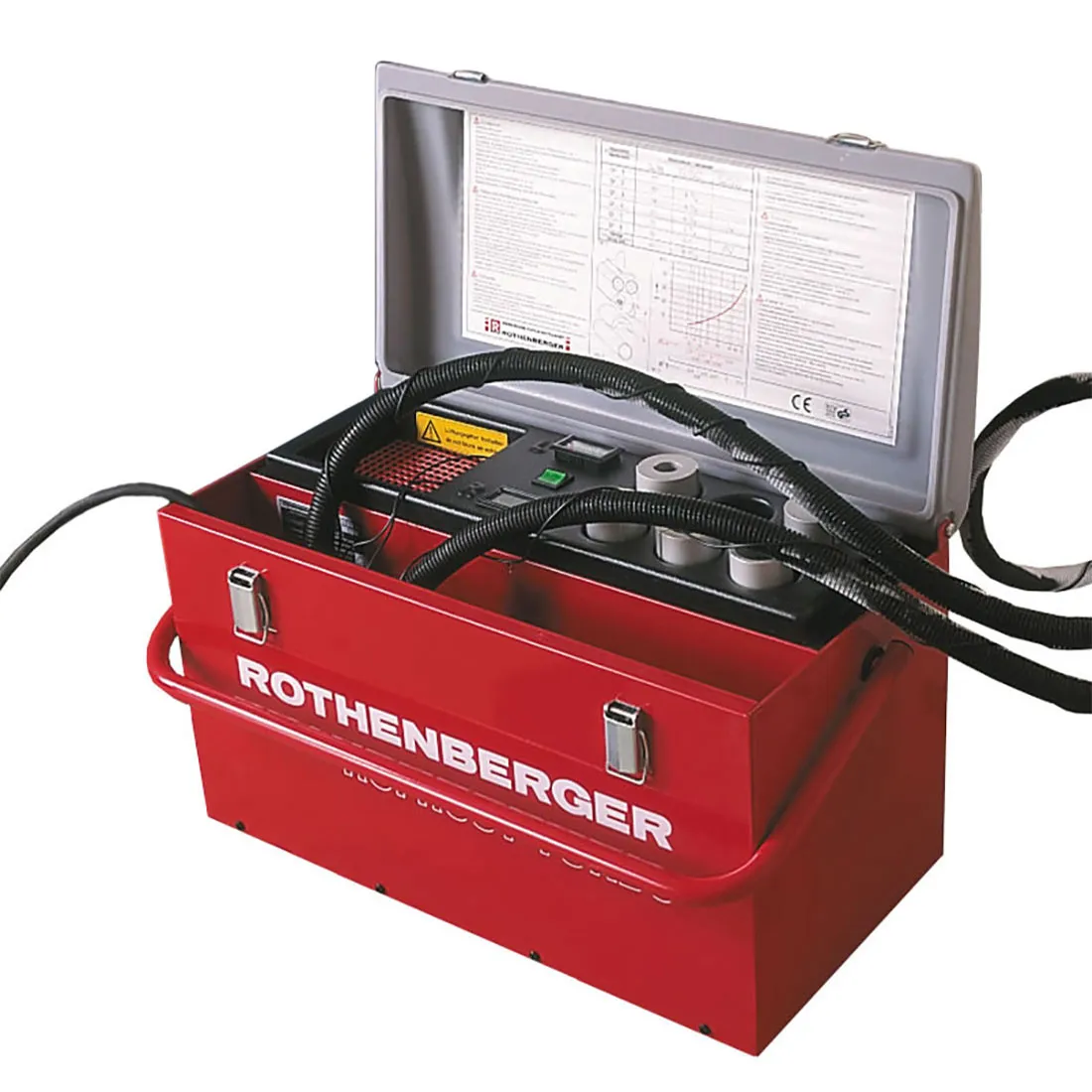
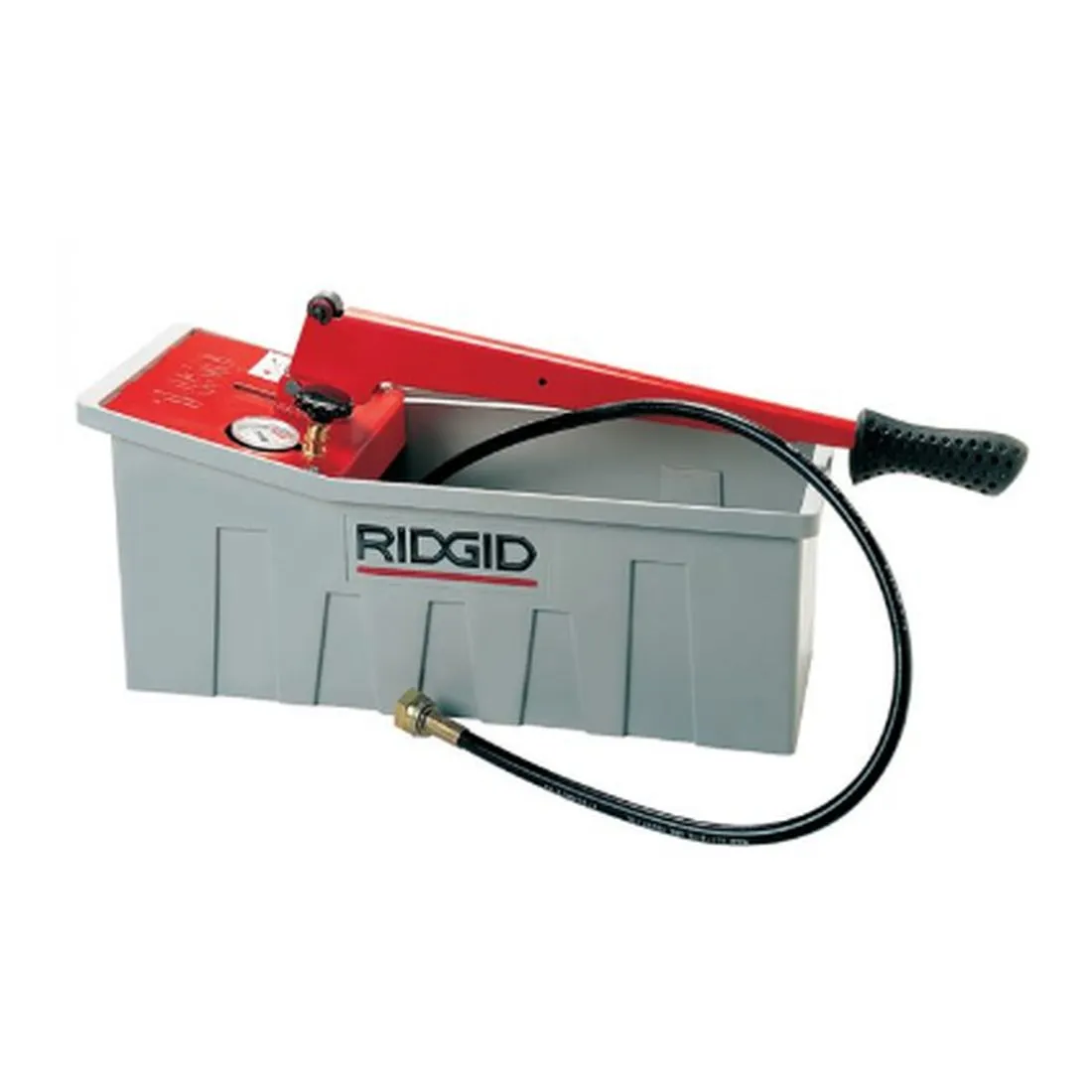
Hire from
£129.78


