









⏱ Read time: 8 min | 🌿 Difficulty: Beginner | ⏰ Time: 2 hrs (a quarter of a day) | 👷 1 person
A fuse box or consumer unit is the control centre for your home's electrics. It splits incoming power into separate circuits and cuts the supply when something goes wrong. Older fuse boxes use fuses that melt; modern consumer units use resettable switches called MCBs and RCDs. Knowing how yours works lets you restore power safely in minutes.
Key takeaways
- Most trips are caused by one faulty appliance or an overloaded circuit, and you can usually trace the culprit in under 10 minutes.
- If a switch won't stay on after you've unplugged everything, stop and call a registered electrician.
- Test your RCD every six months and label your circuits now, before the dark evenings make it a torchlit treasure hunt.
In this guide
- What is a fuse box?
- What is a consumer unit?
- What is the difference between a fuse box and consumer unit?
- Where is my fuse box located?
- How does a fuse box work?
- What to do if your fuse box trips
- Why does my fuse box keep tripping?
- What should you never do at the consumer unit?
- How to give your consumer unit a health check
- Should you hire or buy electrical safety kit?
- Frequently asked questions
- Ready to take charge of your consumer unit?
Understanding your fuse box and consumer unit is one of those jobs nobody thinks about until the telly goes dark and someone shouts “Was that you?” from upstairs.
Here at HSS DIY we've put together a no-faff guide to what's behind that little grey door and what to do if a switch trips.
What is a fuse box?
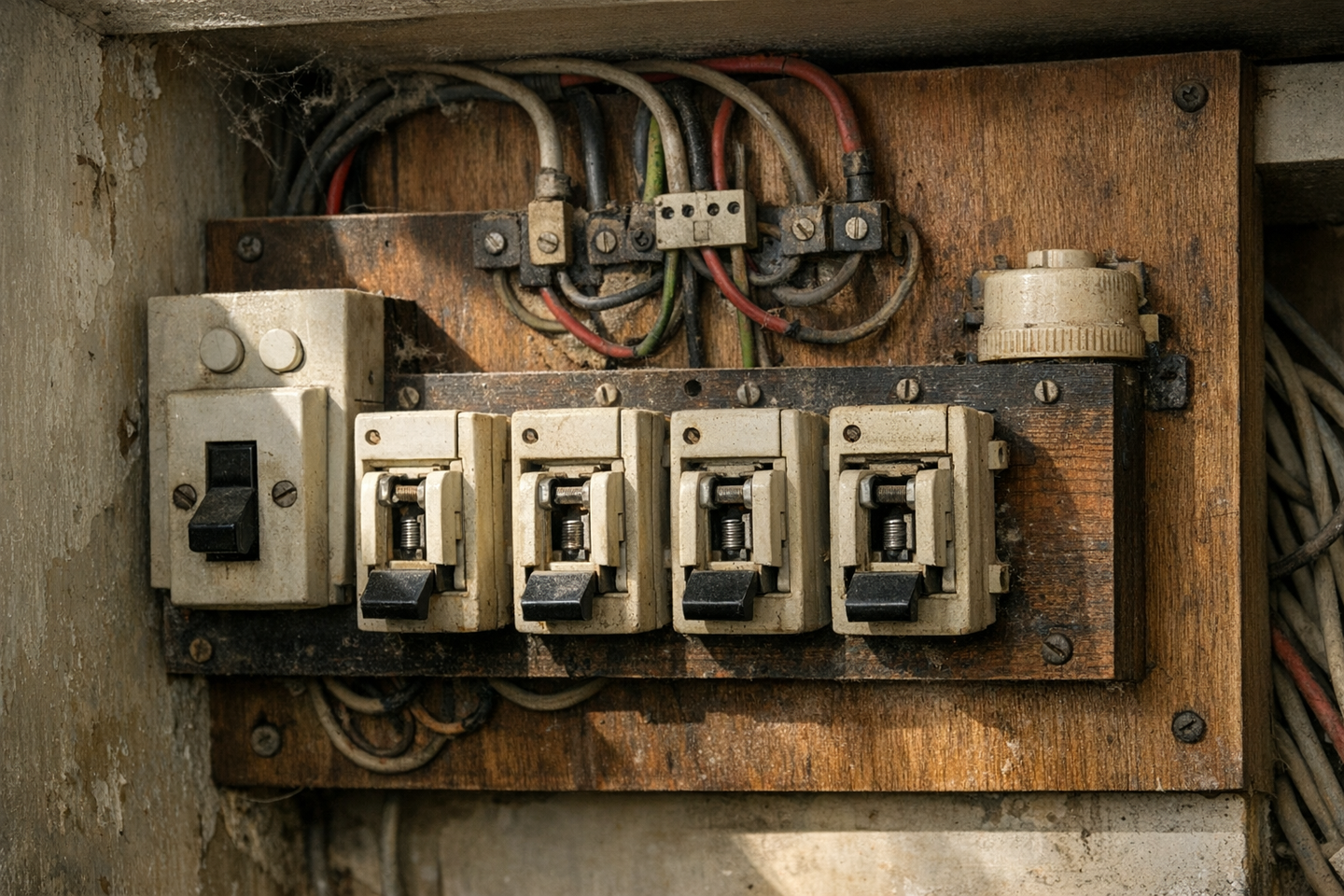
A fuse box is an older type of distribution board that protects each circuit with a fuse: a thin piece of wire that melts when too much current flows. Once blown, it must be rewired or replaced.
You'll spot one by its pull-out fuse carriers, sometimes on a wooden backboard. Many offer no protection against electric shock, which is why NICEIC recommends replacing an old fuse box with a modern consumer unit.
What is a consumer unit?
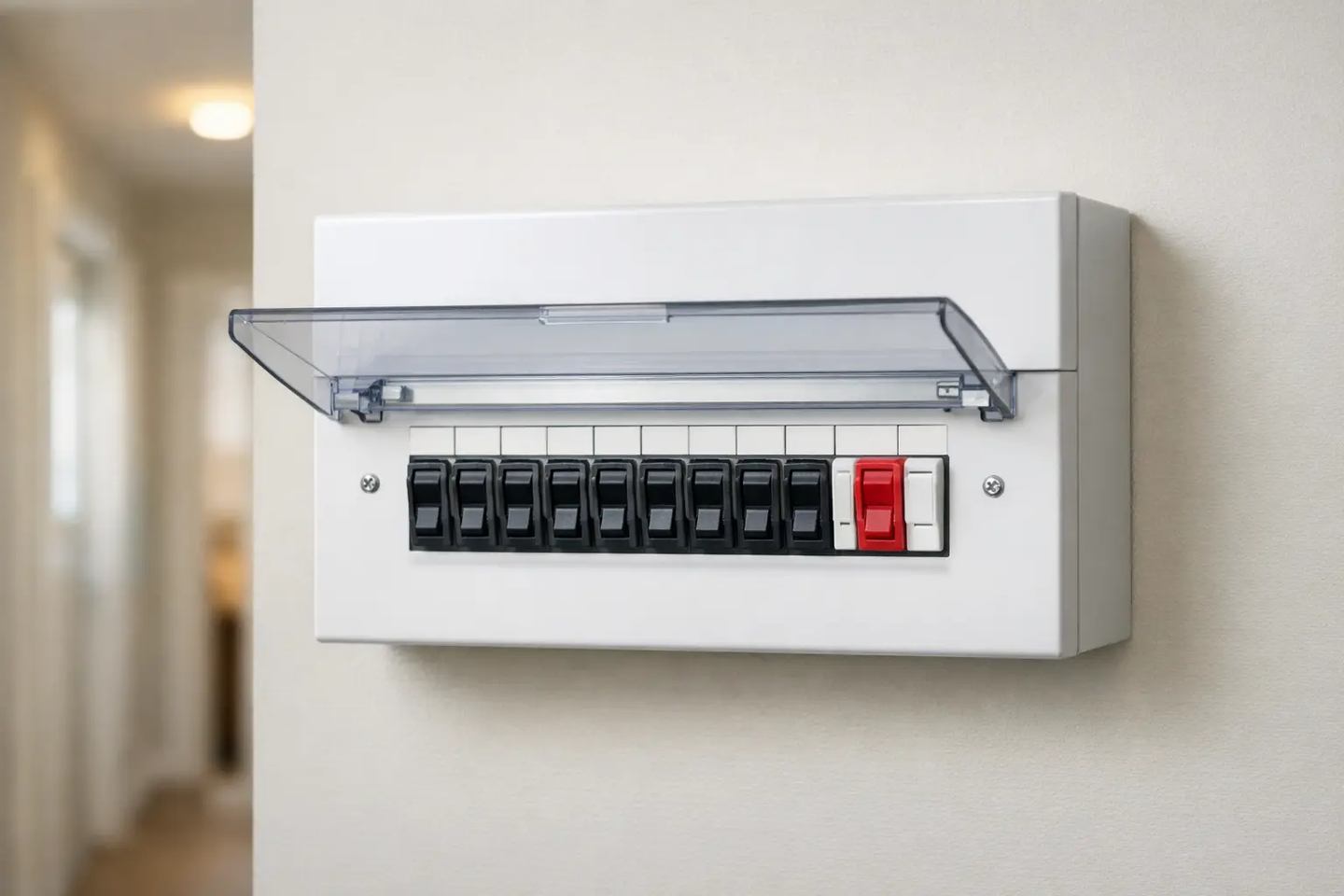
A consumer unit is the modern replacement for the fuse box. It uses switches that flip off when there's a fault and back on once it's fixed.
Since January 2016, consumer units fitted in UK homes must have a non-combustible enclosure, which is why newer ones are usually metal rather than plastic.
Most people still call it a fuse box, which is fine. They both do the same thing except one is an older style unit and the other is more up-to-date.
What is the difference between a fuse box and consumer unit?
In an old fuse box, each circuit is protected by a fuse containing a thin wire that melts if too much current flows, cutting the power. A consumer unit does the same job with switches you simply flip back on, and usually adds protection against electric shock.
This table compares the two.
Where is my fuse box located?
Your fuse box or consumer unit is usually close to where the electricity supply enters your home, near the meter. Common spots include:
- Under the stairs: the classic hiding place, usually behind the Hoover and a decade of carrier bags.
- Hallway or porch cupboard: common in newer builds and flats.
- Garage: popular where the meter is on an outside wall.
- Utility room or kitchen cupboard: check high-level cupboards too.
If you live in a rented property and can’t find find your fuse box or consumer unit, ask your landlord. Once you know where it is, keep a torch nearby and the area clear for easy access.
How does a fuse box work?
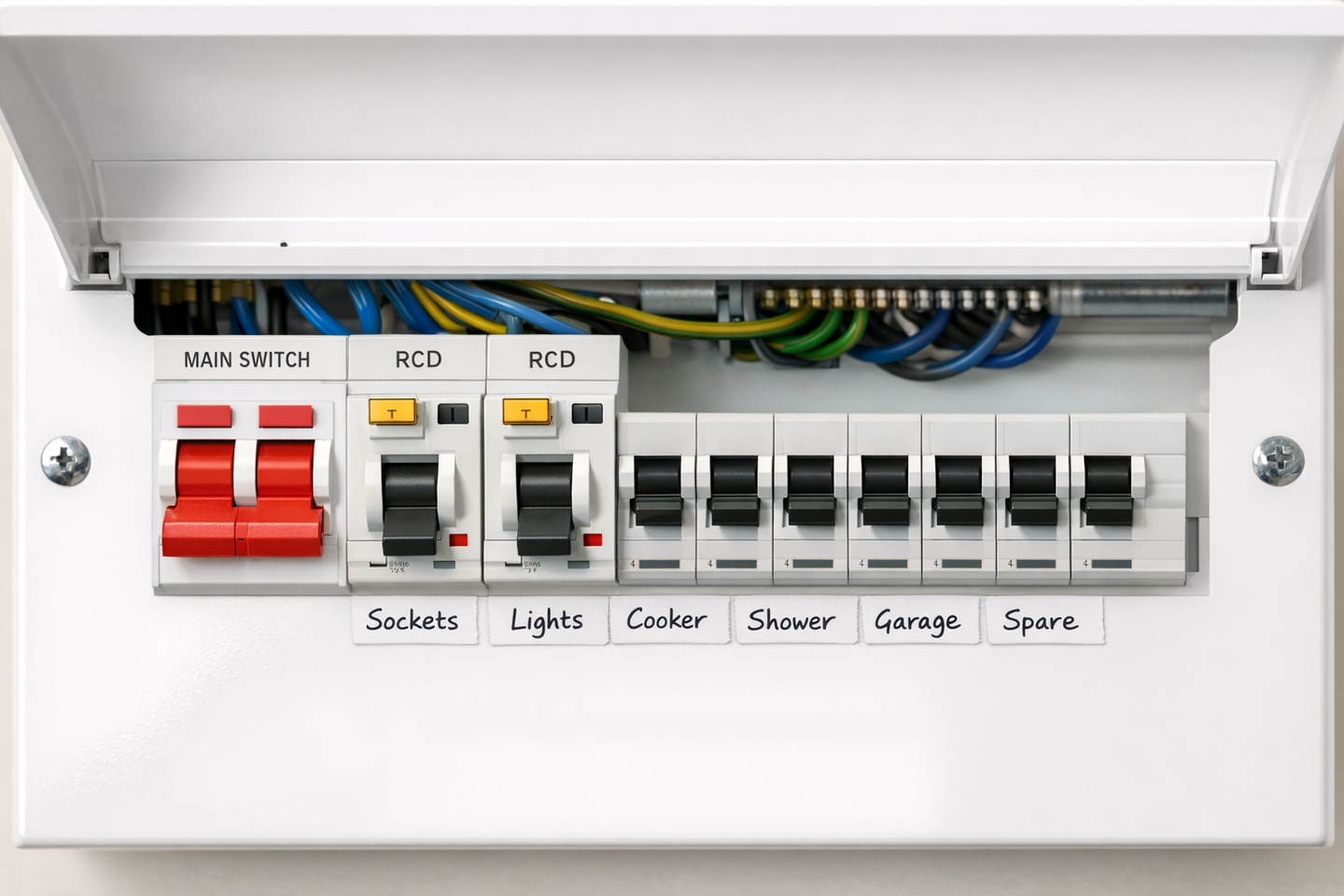
Power passes through the meter into the fuse box, which shares it out across your circuits. Each protective device watches its circuit and cuts the power when it detects a problem. Here's what's on a typical consumer unit:
- Main switch: turns off the power to every circuit in the house. The cables coming in from the meter stay live, so never touch them.
- Residual current device (RCD): compares the current going out and coming back. If around 30mA is leaking (for example through a person), it trips almost instantly. One RCD often covers several circuits.
- Miniature circuit breaker (MCB): protects a single circuit from overload or a short circuit. Lighting circuits are commonly 6A and socket ring circuits 32A.
- RCBO: an MCB and RCD combined on one circuit, so a fault only cuts that circuit rather than half the house.
What to do if your fuse box trips
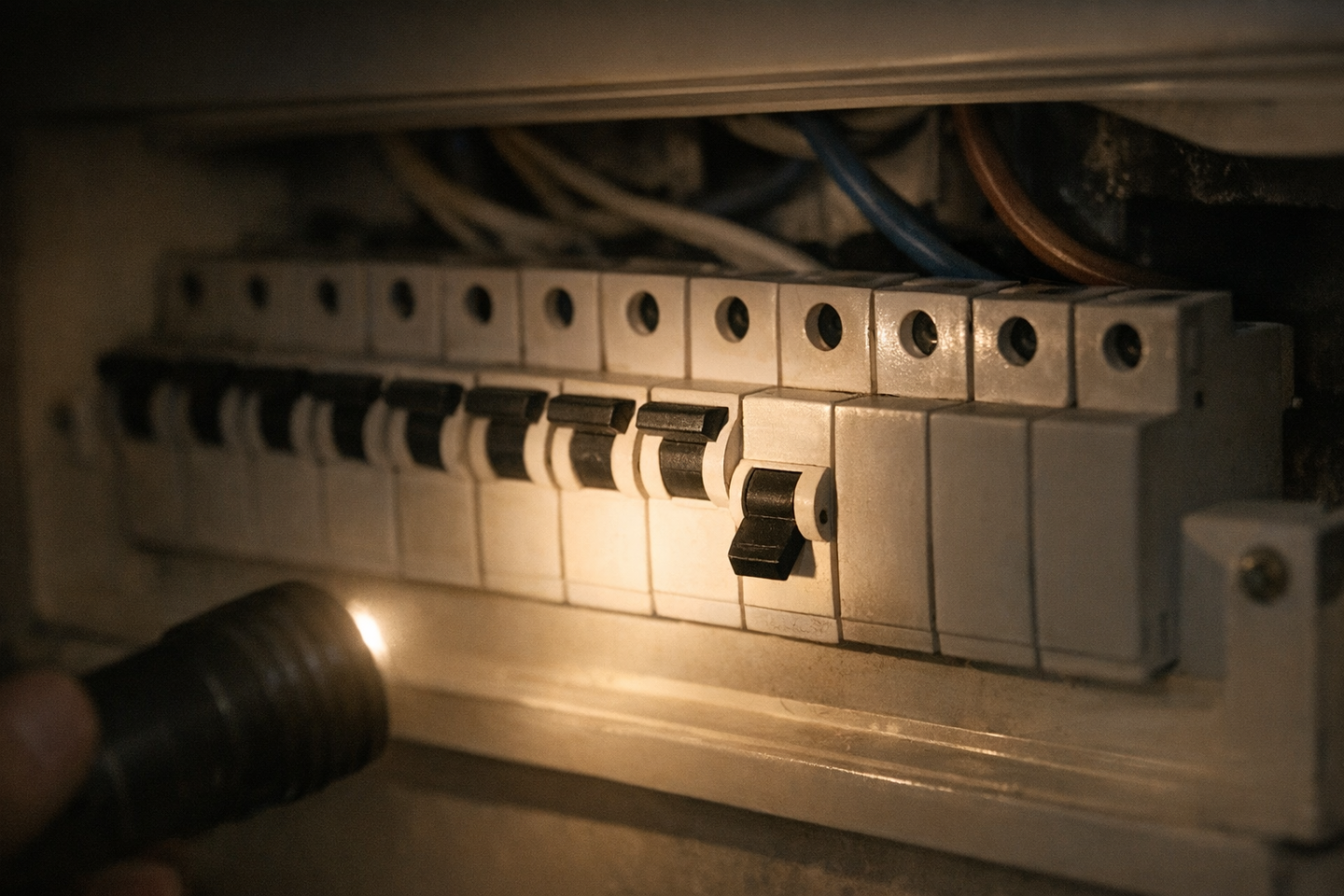
If your fuse box trips, find the switch that's pointing down, unplug anything on that circuit and flip it back up. Here's what to do if your consumer unit trips, step by step:
- Stay safe first. Dry hands, a torch and the cover stays on. Burning smell, scorch marks or water nearby? Stop and call an electrician.
- Find the tripped switch. It will be in the down or middle position.
- Unplug and switch off. Turn off and unplug everything on the affected circuits.
- Reset the switch. Push it firmly back up to ON. If it holds, the fault is likely to be an appliance.
- Find the culprit. Plug appliances back in one at a time. When the switch trips again, you've found your troublemaker.
- Know when to stop. Won't stay on with everything unplugged? It's likely a wiring fault, so leave it off and book a registered electrician.
What if you have an old fuse box with rewirable fuses?
Switch the fuse box off at the main switch before pulling out a fuse carrier, and only replace fuse wire or cartridges with exactly the same rating. If fuses blow regularly, it's a strong sign the board is due an inspection.
Why does my fuse box keep tripping?
A fuse box that keeps tripping is doing its job by spotting a fault. The trick is working out which one. These are the usual suspects:
- Faulty appliance: kettles, toasters and washing machines are frequent offenders. Usually trips the RCD.
- Overloaded circuit: a fan heater and tumble dryer on one circuit can be too much. Usually trips an MCB.
- Moisture: rain getting into outdoor sockets or garden lights. Usually trips the RCD.
- Damaged cable: a stray screw through a cable during a DIY job. Needs an electrician.
- Worn-out switch: breakers can weaken with age. Needs an electrician.
Why do trips spike in autumn and winter?
Your electrics work harder in the colder months. Heaters, tumble dryers and extra lights are on for longer, which can overload a circuit and trip an MCB.
Rain and damp can also get into outdoor sockets and garden lights, which often trips the RCD.
Planning to put up outdoor Christmas lights? Use lights made for outdoor use and plug them into a socket protected by an RCD.
If your home floods, stay away from the consumer unit if it or the floor around it is wet. Our flood preparation guide explains what to do.
What should you never do with your consumer unit?
Your job is to reset switches and test the RCD. Anything beyond that is for a registered electrician. Never do any of these:
- Take the cover off: there are live parts behind it, even with the main switch off.
- Hold a switch up while it trips: it’s cutting the power to protect you, so let it.
- Tape or wedge a switch on: this stops it working, which leaves you exposed to shocks and fires.
- Touch it with wet hands or when it’s wet: water and electricity are a dangerous mix.
Health and safety: when to call in the professionals
- Replacing a consumer unit: this is notifiable work under Part P of the Building Regulations in England and Wales. Use a registered electrician, who can certify the work for you. Find one on the Electrical Safety First register.
- Homeowners: have an Electrical Installation Condition Report (EICR) at least every 10 years. It checks your wiring and consumer unit are still safe.
- Landlords: in England, you must have an EICR carried out at least every five years under government rules.
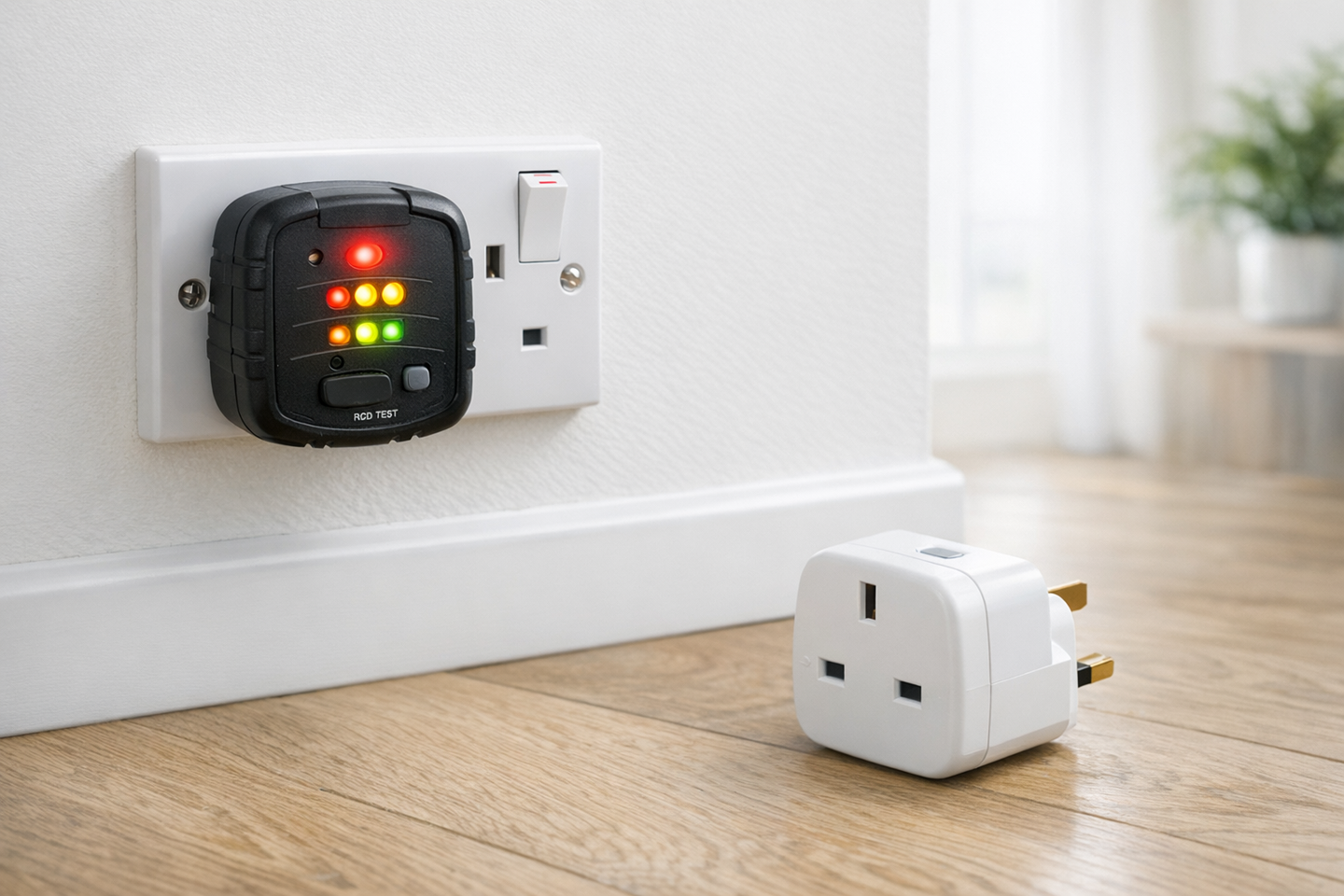
- No RCD in your consumer unit? Use a plug-in RCD adaptor for power tools and garden kit, and ask an electrician about an upgrade.
How to give your consumer unit a health check
This beginner-friendly job takes about two hours but it’s needed to make sure everything is ok with your consumer unit.
- Clear access (10 minutes): move anything blocking it and check the cover isn't cracked or warm.
- Photograph the labels (15 minutes): keep a record on your phone.
- Test the RCD (15 minutes): press the “T” or “Test” button. It should trip straight away. Reset it (and the oven clock).
- Map your circuits (60 minutes): switch off one MCB at a time, note what goes off and label it.
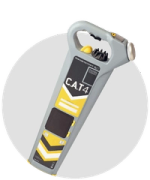
- Check your sockets (20 minutes): use a socket tester with RCD test function at each socket.
Your printable consumer unit checklist
Need help staying on track with your consumer unit health check? Print or screenshot this checklist and tick off as you go.
- ☐ Consumer unit located and access kept clear
- ☐ Cover intact, no scorch marks, buzzing or burning smell
- ☐ RCD tested using the test button (repeat every six months)
- ☐ Every MCB labelled with the rooms or appliances it controls
- ☐ Sockets checked with a plug-in tester
- ☐ Plug-in RCD adaptor ready for power tools and garden kit
- ☐ Date of last EICR noted (book one if it's over 10 years)
- ☐ Registered electrician's details saved for emergencies
Should you hire or buy electrical safety kit?
For small testers you'll use for years, buying usually wins. Hiring suits heavy-duty kit for a short job. The table below compares our prices at the time of writing (October 2026, inc. VAT).
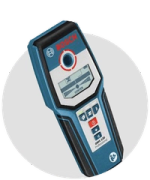
Browse our detectors and testers or electrical accessories hire range.
Frequently asked questions
Is it safe to reset a tripped switch myself?
Yes, resetting an MCB or RCD is a normal householder job, provided there's no damage, burning smell or water nearby.
What does fuse box tripped mean?
It means a protective switch has cut the power to one or more circuits because it detected a fault, overload or leak.
Why has half my house lost power but not all of it?
One RCD often protects a group of circuits, so a single faulty appliance can take out several rooms at once. Units with RCBOs avoid this.
What should I do if my consumer unit trips during a storm?
First, check whether a switch has actually tripped. If none has and your neighbours are dark too, it’s more likely a power cut so you’ll need to contact your local electricity network operator.
If a switch has tripped, unplug outdoor lights and equipment, then reset it. If it trips again, leave the outdoor circuit off until the weather dries up.
Take charge of your fuse box and consumer unit with HSS DIY
And that’s all there is to it. Once you understand your fuse box and consumer unit, you’ll be able to figure out how to get your electricity back on after it has been tripped.
A tripped switch is your home's way of saying “not today, thank you” to a fault. Now you know where it lives and what each switch does, you can sort most trips before the tea goes cold. Spend two hours this weekend on the health check, and the next power cut becomes a 30-second fix rather than a family drama.
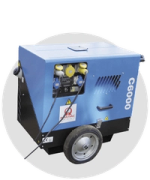
If you ever find yourself without power, you can hire our generators online 24/7 with next day delivery.
Buy the materials. Hire the tools. One order. All in one place.
Get DIY Happy with HSS DIY: The Home of Great Projects
Meet the people behind our Tips & Advice
From quick fixes to bigger DIY projects, get to know the people behind the guides helping you get the job done with confidence.