






⏱ Read time: 9 min | 🌿 Difficulty: Beginner | ⏰ Time: 1 day (8 hrs) | 👷 1 person
The best time to plant hedges and trees in the UK is from mid-autumn to late winter, while plants are dormant and the soil is moist but not frozen. Evergreens go in best in early autumn, bare-root deciduous plants from leaf fall to March. Dig wide, plant at the root flare, firm in, water and mulch.
Top tips at a glance
- Planting in autumn needs far less watering than summer planting.
- Evergreens prefer early autumn. Beech, hawthorn and hornbeam go in from leaf fall.
- Set boundary hedges about 90cm back from the line.
- Never plant into frozen or waterlogged soil.
- Hire the powered kit and buy the hand tools in one order.
Table of contents
- Why is autumn the best time to plant hedges and trees?
- Best time to plant by plant type
- What tools do you need to plant a hedge or tree?
- Should you hire or buy your planting tools?
- How to plant a hedge in autumn, step by step
- How to plant a tree in autumn, step by step
- What if the weather turns or your plants arrive early?
- How long does it take to plant a hedge and a tree?
- Health and safety when planting
- How do you look after new hedges and trees?
- Your downloadable planting checklist
- FAQs
Why is autumn the best time to plant hedges and trees?
Autumn is a the perfect time to plant hedges and trees because it gives roots a head start. Plants that go in now settle into soil that's still workable, so they're ready to grow away when spring arrives.
The RHS recommends planting trees and shrubs between October and April, and notes that autumn and winter planting needs less watering. The rain does the work, so you can leave the hose coiled up.
It's also bare-root season, and bare-root plants are usually cheaper than pot-grown.
Here are some terms worth knowing when planting your hedges and trees:
- Bare-root: lifted while dormant and sold with no soil on the roots.
- Root-balled: lifted with a ball of soil wrapped in hessian or netting.
- Container-grown: grown and sold in a pot.
- Whip: a young, single-stemmed sapling, usually around 60cm tall.
- Root flare: where the roots widen out from the stem.
Best time to plant by plant type
Timing depends on how your plant is sold and whether it keeps its leaves. Evergreens like an early start, while bare-root and deciduous plants are happiest going in once they're dormant.
This table shows the best time to plant in autumn and winter for common hedge and tree types.
Source: RHS hedge planting guide.
What tools do you need to plant a hedge or tree?
A spade, gloves and a wheelbarrow cover a short hedge. For long runs, powered kit saves your back.
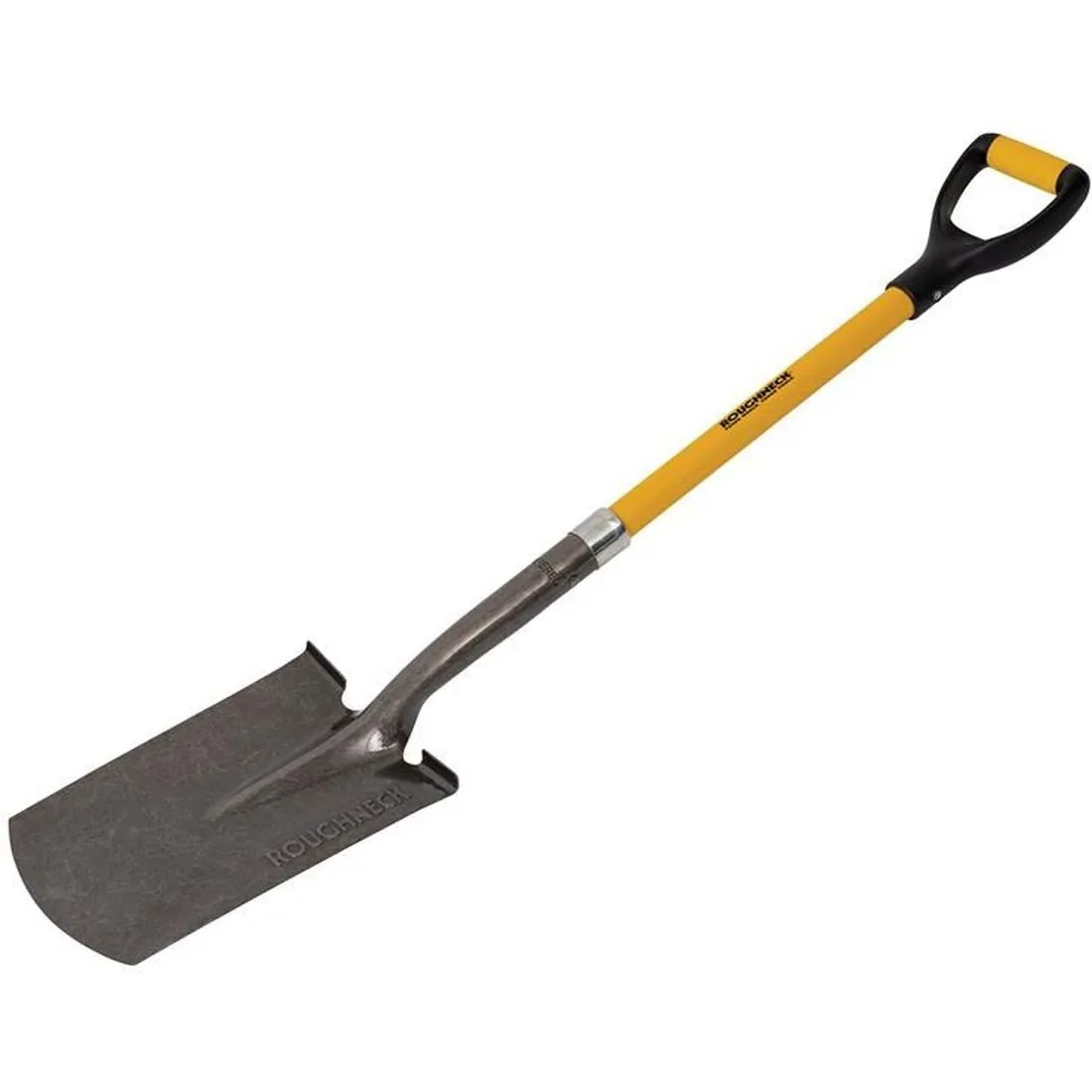
- Roughneck Digging Spade: carbon steel blade for trenches and pits. £11.44 to buy.
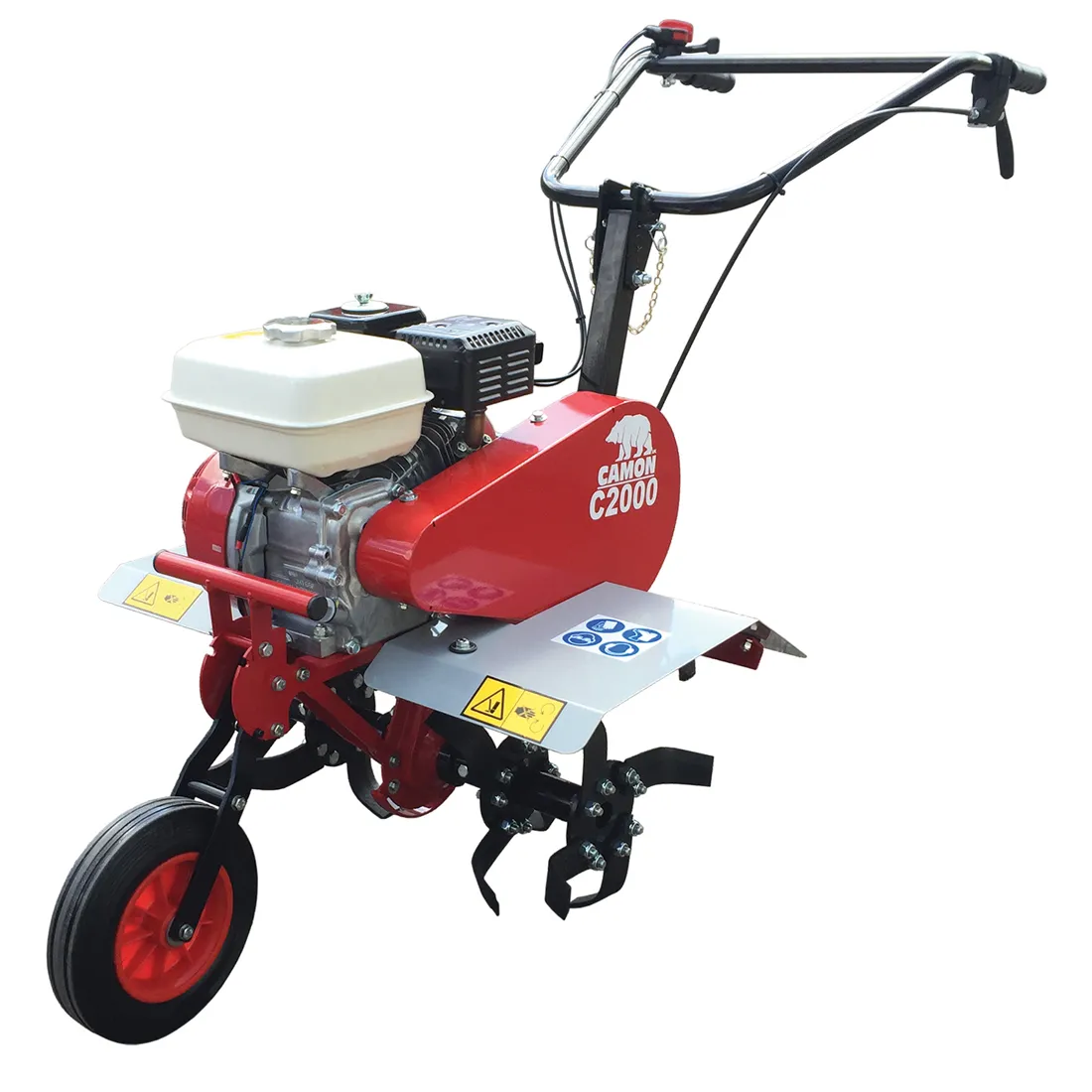
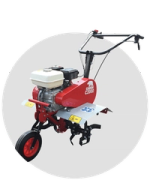
- Power Digger Rotavator: breaks up a hedge strip to around 20cm deep. From £71.40 for a 2-day hire.
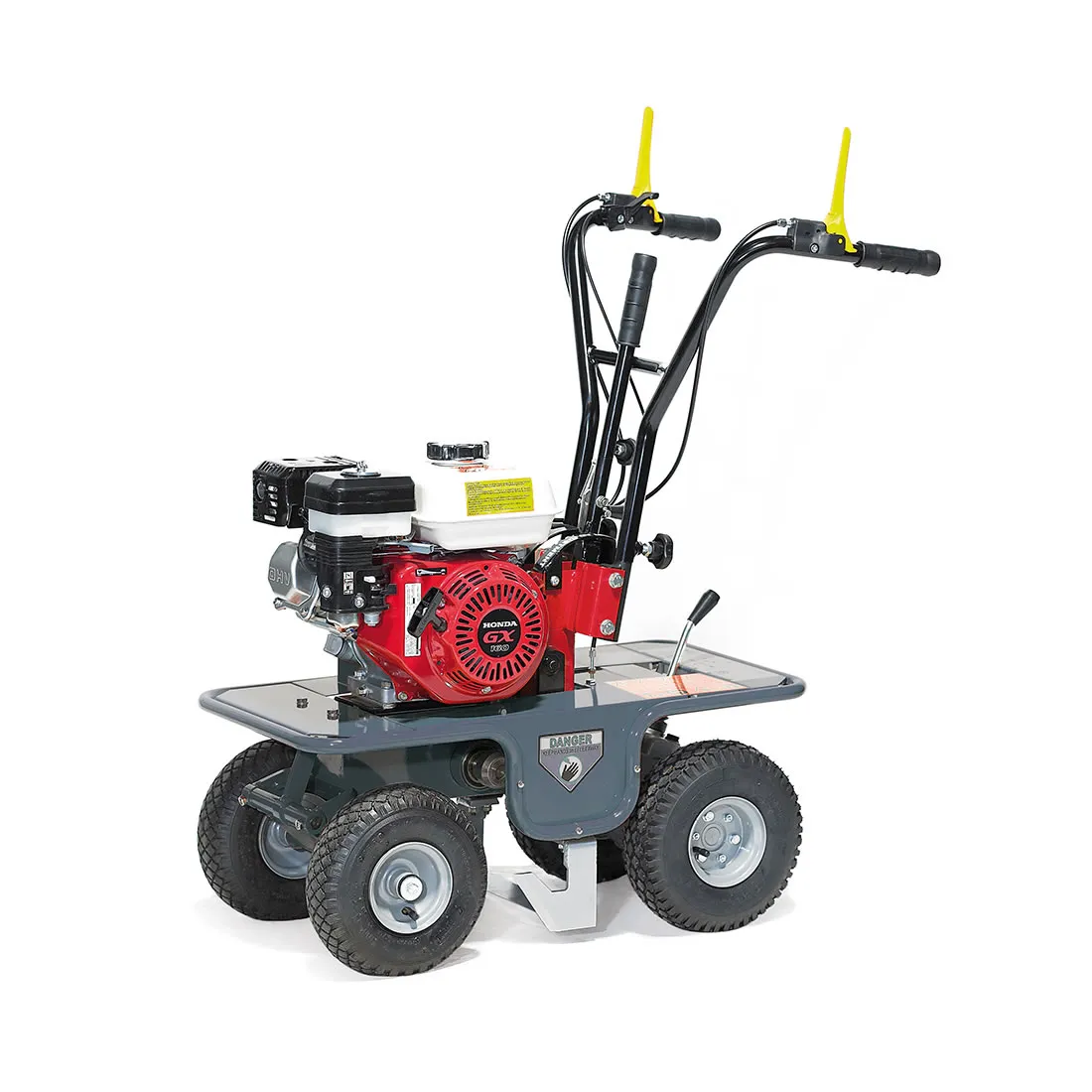
- Turf Cutter: lifts a 30cm-wide strip of lawn. From £174.00 for a 2-day hire.
- 1-Person Petrol Post Hole Borer: holes up to 75cm deep for whips and stakes. £92.40 for a 7-day hire.
- 90L Galvanised Wheelbarrow: shifts soil, mulch and plants. £79.20 to buy.
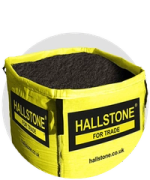
- Hallstone Bark Mulch Bulk Bag: around 0.5m³ to hold moisture and smother weeds. £114.00 to buy.
Prices include VAT and were correct in October 2026.

Should you hire or buy your planting tools?
Are you taking on a task you'll only do once or are you in the trade and will be planting hedges & trees often? We’d recommend buying the hand tools you'll use every year and hiring the powered kit you'll only need for a day or two.
This table compares hiring and buying on HSS DIY for the three biggest jobs.
How to plant a hedge in autumn, step by step
Planting hedges in autumn comes down to ground prep, spacing and depth. Here's our method.
- Check for buried services. Use LSBUD for free to check before you dig.
- Mark out the line. Use pegs and string, about 90cm back from the boundary, as the RHS advises.
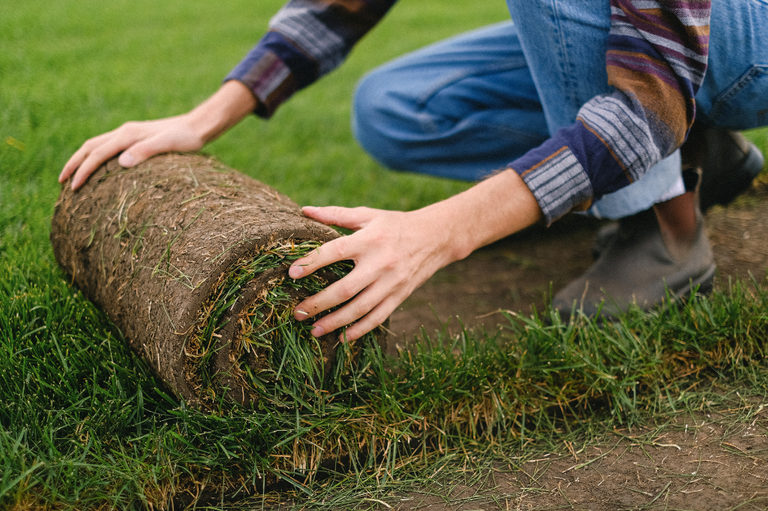
- Clear and dig the strip. Lift turf and weeds, then dig a strip 60 to 90cm wide and one spit (a spade blade) deep. Don't put compost in the trench bottom, as plants can sink. On sandy or clay soil, fork it into the top 25cm instead.
- Prepare the plants. Trim damaged roots and keep bare roots covered.
- Space them out. Plant 30 to 60cm apart in a single row. For a thicker hedge, the Woodland Trust suggests a staggered double row: rows 50cm apart, plants 40 to 45cm apart.
- Plant at the right depth. Spread the roots, set the root flare level with the soil and firm in with your heel.
- Water and mulch. Water if dry, add 7.5cm of mulch and keep 45cm either side weed-free.
Soggy soil? The RHS suggests planting hedges on a ridge 15 to 20cm high and 50 to 70cm across.

How to plant a tree in autumn, step by step
Planting trees in autumn follows the same rules as planting hedges, plus staking and a bit more muscle.
- Choose the spot. Check the final height and spread, and keep clear of buildings, drains and overhead cables.
- Dig wide, not deep. Make the hole about three times the root width and no deeper than the roots.
- Check the depth. Lay your spade handle across the hole. The root flare should sit level with it.
- Stake if needed. Larger or top-heavy trees need one. Put it in before backfilling so you don't spear the roots.
- Backfill and firm. Refill with the dug soil, firming gently.
- Water and mulch. Mulch at least 5cm deep, leaving 10cm clear around the trunk. Keep a 1.2m circle weed-free for three years.
Waterlogged all winter? Plant trees on a mound 25 to 30cm high and 1m across (RHS).
What if the weather turns or your plants arrive early?
Don't plant into frozen or waterlogged soil. Store your plants properly and wait for a better day.
It’s no secret that British weather is unpredictable, so have a plan B. To heel in bare-root plants, lay them in a shallow trench and cover the roots with at least 20cm of soil. Or keep them in a frost-free shed with moist straw or compost around the roots.
How long does it take to plant a hedge and a tree?
Health and safety when planting
Most planting injuries come from lifting, thorns and powered kit. Here are a few basics keep you safe.
- Gloves: hawthorn and holly bite back. DEWALT Rigger Gloves are £7.92.
- Eye protection: wear DEWALT Reinforcer Safety Glasses (£3.53) when trimming roots or using a borer.
- Safety footwear: steel toe caps are recommended with powered kit. Browse safety footwear.
- Hearing protection: needed for the rotavator and turf cutter. Find ear defenders in our PPE range.
- Vibration: the rotavator and turf cutter reach the exposure limit after around 2 hours. Make sure you take breaks.
- Lifting: root-balled trees are heavy. Lift with two people and follow the HSE's good handling technique.
- Fuel: petrol isn't supplied with hired equipment but you can get some from your local petrol station by adding an approved fuel can to your order.
How do you look after new hedges and trees?
Newly planted hedges and trees need a little extra care. Here are our top tips to help them establish well.
- Water smartly. In dry growing-season spells, the RHS suggests 30 to 50 litres per square metre a week. Check the soil first, as overwatering rots roots.
- Top up the mulch. Refresh it each year between November and February.
- Check ties and stakes. Check ties in spring and autumn. Remove stakes after two growing seasons.
- Trim once established. Our long-reach hedge trimmer guide covers the kit for keeping it dense.

Watch: preparing your garden with a turf cutter
Clearing lawn for your hedge? Watch our turf cutter video, and find more on the HSS DIY YouTube channel.
Your hedge and tree planting checklist
Print it, pocket it, tick it off, to help keep on top of your planting jobs.
Before you start
☐ Run a free LSBUD search for buried services
☐ Measure the line and count your plants
☐ Order kit, mulch and PPE in one order
☐ Check the ground isn't frozen or waterlogged
On the day
☐ Put on your PPE
☐ Mark out the line 90cm back from the boundary
☐ Lift turf and dig or rotavate the strip
☐ Soak bare roots for about 30 minutes
☐ Space and plant at the root flare
☐ Stake larger or top-heavy trees
☐ Firm in, water and mulch
Aftercare
☐ Water in dry spells for two years
☐ Keep weeds clear of the base
☐ Check tree ties in spring and autumn
☐ Top up mulch each winter
FAQs
Can I plant a hedge in October?
Yes, it's ideal for evergreens and pot-grown plants. For bare-root beech or hawthorn, wait for leaf fall.
Is bare-root or pot-grown better for a new hedge?
Bare-root is cheaper but seasonal. Pot-grown costs more but can be planted all year.
What's the cheapest way to plant a long hedge?
Bare-root whips. The RHS notes they can be planted closely for a thicker hedge and less trimming.
Can I use a post hole borer to plant trees?
Yes for whips and stakes. For trees, widen the hole with a spade, and rough up the sides in clay so roots can push through.
Will my hire tools and materials arrive together?
You can hire and buy everything in one order, but multiple items may arrive separately.
Get planting this autumn with HSS DIY
And that’s all there is to it!
Planting hedges and trees is easy to do once you know the important steps and the best time to do it.
Plant this autumn and come spring your hedge or tree will be rooted in, not playing catch-up. Pick the right window, prep the ground well, and the rest is just watering and patience.
Whether you need to clear a site, dig planting holes or break up compacted soil, you can hire the garden tools you need from HSS DIY. You can also pick up compost, mulch and landscaping supplies in the same order, with next day delivery available.
Buy the materials. Hire the tools. All in one place.
Get DIY Happy with The Home of Great Projects.
Meet the people behind our Tips & Advice
From quick fixes to bigger DIY projects, get to know the people behind the guides helping you get the job done with confidence.