



⏱ Read time: 7 min |
Choosing the right solution for working at height can sometimes feel overwhelming. What would work best for me? Which is the safest option? Do I need Powered Access equipment, or would standard Access Equipment be enough? How high do I need to reach? And what’s the most practical choice for the job, the space and my budget?
For general DIYers and tradespeople, understanding the difference between powered access and access equipment can help you choose the right option for the task. Whether you need a simple ladder, a scaffold tower or access platform, a work platform, trestles & staging or a powered lift, the right equipment can help you work more comfortably, confidently and efficiently at height.
What is powered access equipment?
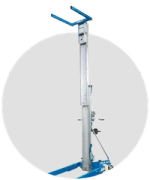
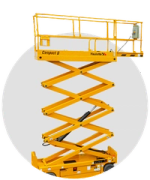
Powered access uses powered movement to lift people, tools and materials to the required working height. This includes machines such as scissor lifts, boom lifts, vertical mast lifts or low-level access platforms. It is often used where workers need to reach over areas, higher heights and working for longer periods of time. Mobile elevating work platforms, also known as MEWPs, can be particularly useful on larger sites, in warehouses, on external building projects or where access from the ground is limited.
The HSE advises that MEWP hazards need to be properly controlled, particularly around operation, traffic routes, pedestrians and ground conditions. Operators should also be competent and properly trained. IPAF’s PAL Card is widely recognised as proof of quality operator training for MEWPs, mast climbing work platforms and construction hoists.
What is access equipment?
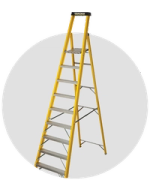
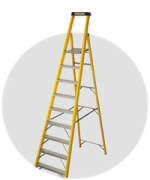
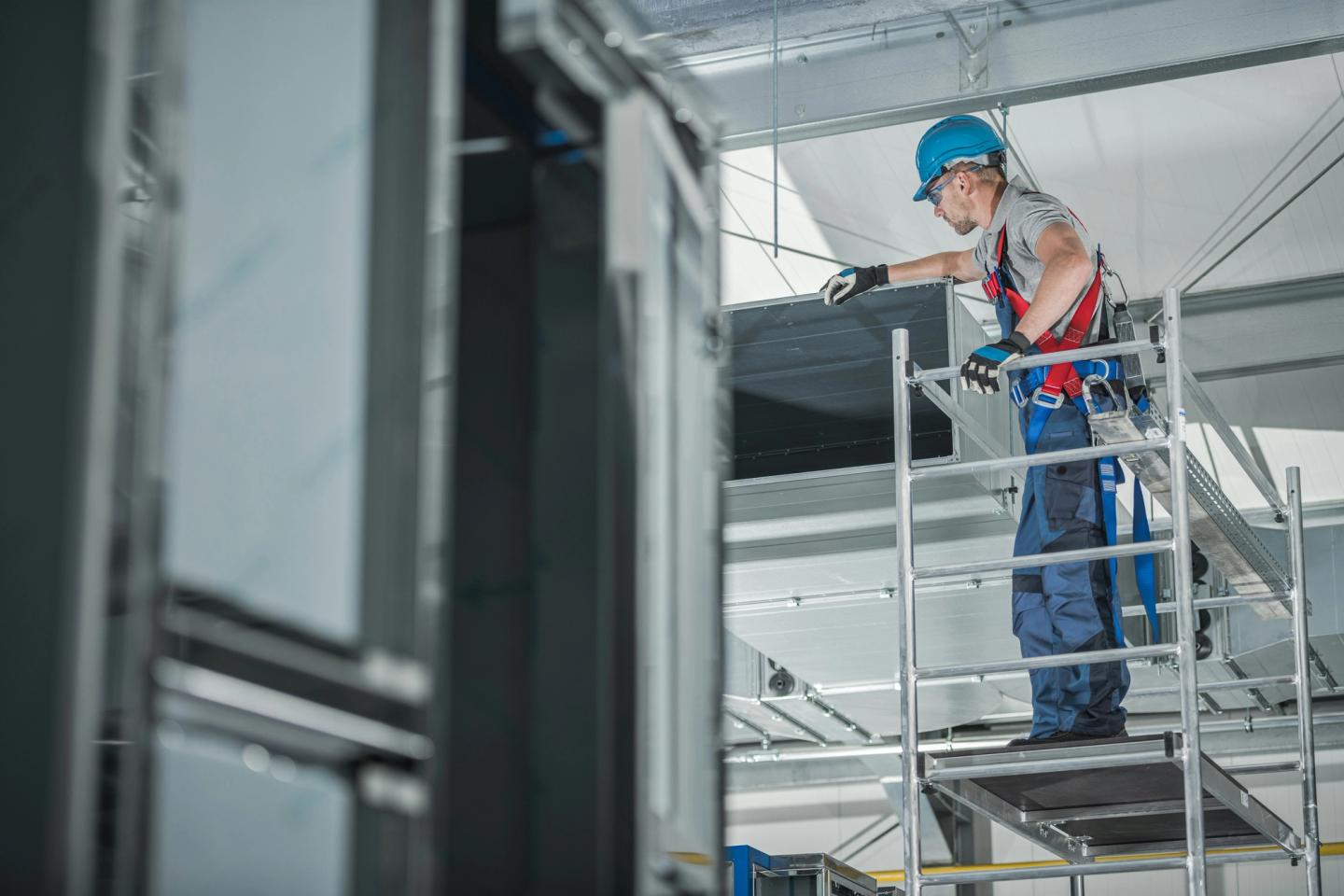
Access equipment usually refers to non-powered solutions to reach or work at height, this can include push up ladders, combination ladder, podium steps, scaffold towers, Mi-towers and staging boards. It is often easier to manoeuvre, simple to set up and ideal for lower-level work around the home. They are more suited to shorter-duration task and are easier to transport, set up and move around smaller spaces. Whether you’re decorating, cleaning windows or carrying out repairs, access can be a cost-effective way to do it.
When to choose powered access
Powered access may be the right choice when you need to:
- Reach higher working areas
- Work over obstacles or uneven layouts
- Complete tasks over a larger area
- Improve productivity on repetitive work at height
- Provide a stable platform for longer-duration jobs
- Reduce manual climbing and repositioning
Common examples include warehouse maintenance, roofline repairs, lighting installation, cladding work, external building maintenance and mechanical or electrical installations.
When to choose access equipment
Access equipment may be more suitable when you need to:
- Complete short-duration tasks
- Work at lower heights
- Access tight indoor spaces
- Move equipment easily between rooms or areas
- Keep costs lower for straightforward jobs
- Set up quickly with minimal disruption
Being honest about the task will help you choose the safest and most practical option for the job.
Final thoughts
Both powered access and access equipment can help DIYers, and tradespeople work at height more safely and efficiently when used correctly. Traditional access equipment is a simple, cost-effective choice for everyday jobs, while powered access equipment offers extra reach, stability and working space for more demanding task.
There is one size fits all answer, The right option depends on the job, space, height and how long the task will take. By choosing the right option it allows you to work more efficiently, safer, more comfortably and more confident at height.
At HSS DIY, we offer a wide range of access equipment, including access towers and scaffolding, trestles and staging, work platforms, ladders and steps. We also offer powered access equipment, from boom lifts and scissor lifts to telehandlers, vertical masts and low-level access platforms.
Whether you need a simple ladder for a quick DIY task or a powered access platform for a larger project, choosing the right equipment can help you get the job done properly.
FAQs
What is the difference between access equipment and powered access equipment?
Access equipment usually refers to non-powered equipment such as ladders, scaffold towers, podium steps and work platforms. Powered access equipment uses powered movement to lift people, tools and materials to height, such as scissor lifts, boom lifts and cherry pickers.
Is powered access equipment better than a ladder?
Not always. Powered access equipment can be better for higher, longer or more demanding jobs, especially where you need a stable access platform. For quick, lower-level tasks, a ladder or standard access equipment may be more practical and cost-effective.
What access equipment is best for DIY jobs?
For many DIY jobs, step ladders, extension ladders, work platforms, Mi-Towers and scaffold towers are useful options. The best choice depends on the height, space, ground conditions and how long the job will take.
When should I use a powered access platform?
A powered access platform may be useful when you need to work higher up, reach over obstacles, carry tools at height or stay in position for longer periods. Common uses include exterior painting, roofline work, gutter repairs, tree maintenance and warehouse jobs.
Do I need training to use powered access equipment?
Training and competency are important when using powered access equipment. Some site or trade environments may require recognised training, such as IPAF, before operating certain types of powered access equipment. We offer courses for working at height to view them visit HSS Training to find out more https://hsstraining.com/course-by-category/working-at-height/


